Is It Time for a Colonoscopy? What You Need to Know Before You Go

Let’s face it — very few individuals jump at the idea of scheduling a first colonoscopy appointment. But just as with flossing or getting a flu vaccination, this screening is one of those mature adult things worth doing properly. This is an essential part of staying healthy, especially as you age into your 40s and beyond. If you’ve never had one, you may not know when to get started or what the process entails. That’s where this guide comes in — to lead you through the “when,” “why” and “how” of your first colonoscopy minus the overly complex medical jargon.
At what age should you get your first colonoscopy?
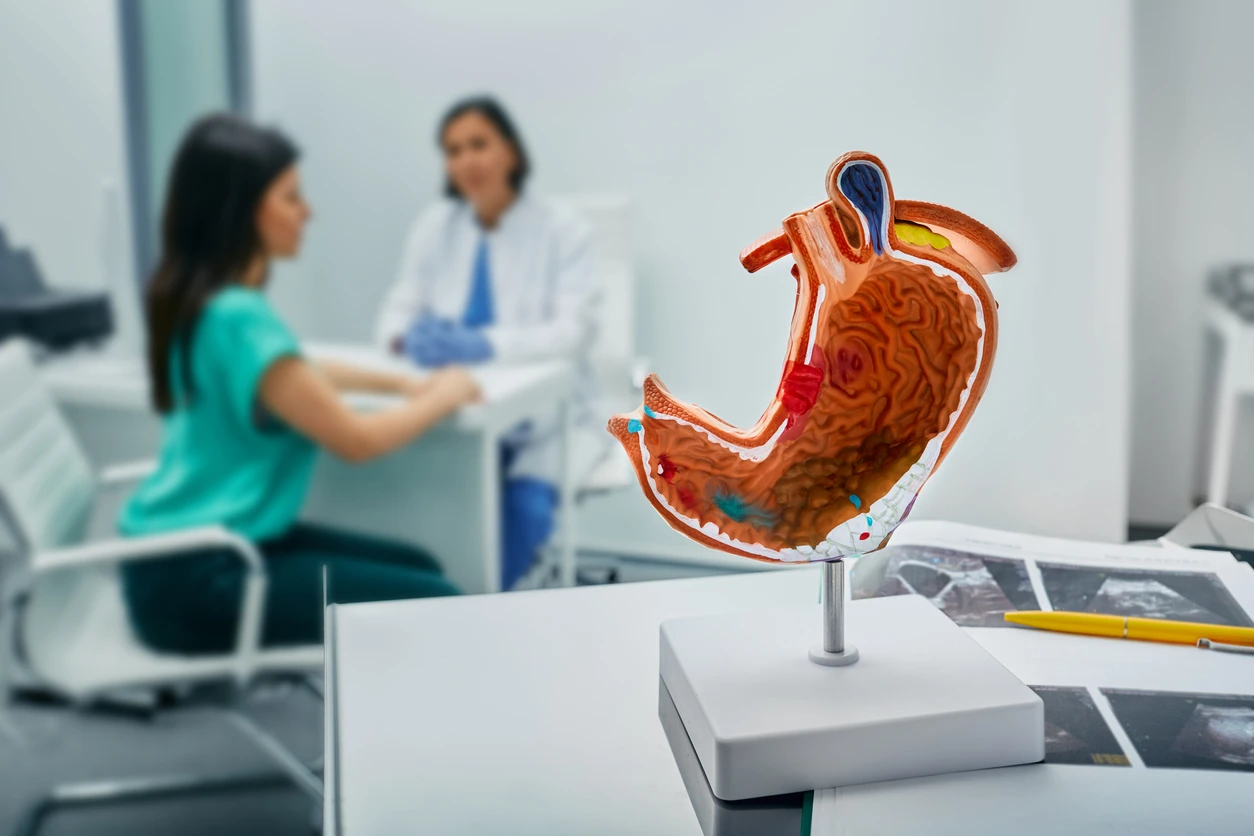
The standard advice is to get your first colonoscopy at 45 if you’re at average risk of developing colorectal cancer. This had been 50, but recommendations changed in recent years based on a growing incidence of colon cancer in younger adults. If there is a family history of colorectal cancer, or certain genetic conditions, your doctor may recommend starting earlier. It never hurts to ask your primary care provider about your personal risk factors.
What does “average risk” mean?
Average risk means you don’t have a family or personal history of colorectal cancer, nor have you had any polyps yourself, or symptoms like rectal bleeding, persistent abdominal pain or unexplained weight loss. If all of that is true for you, your doctor will probably recommend a screening colonoscopy every 10 years, starting at age 45. But if you are high risk, screenings may begin earlier and occur more frequently.
So why is that first colonoscopy so crucial?
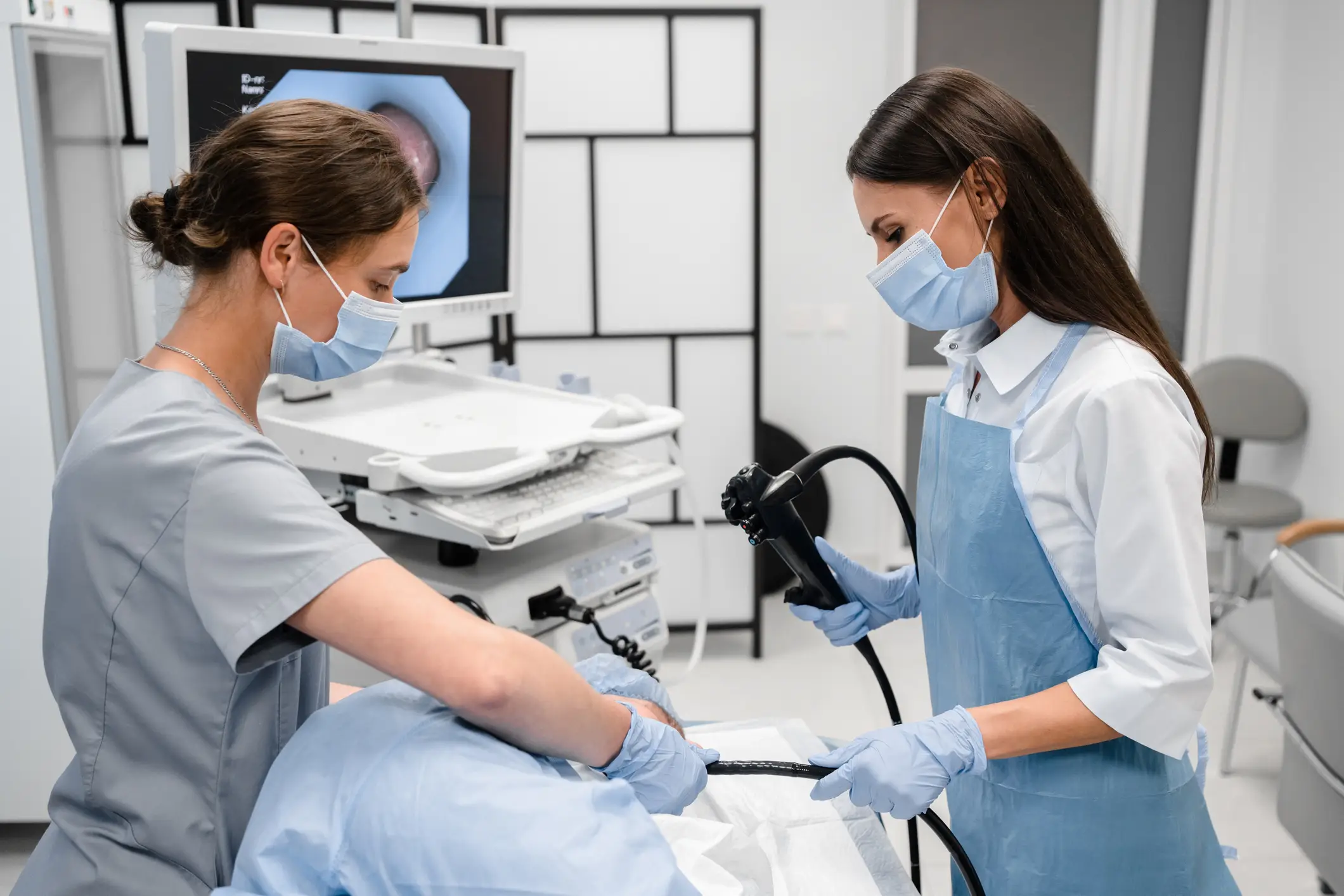
A colonoscopy is more than just a test to detect cancer. It’s a preventative mechanism that can actually prevent cancer of the colorectal before it starts. During a colonoscopy, a doctor examines the inside of your colon with a long, flexible scope that has a camera. If they find polyps — small growths that can sometimes turn into cancer — they can remove them then and there. That’s a substantial benefit, and one reason this is the gold standard for colon cancer detection.
What is done in preparation?
The worst part of getting a colonoscopy is typically the prep beforehand, but there are ways to keep it as tolerable as possible. The day before, you’ll be on a clear liquid diet, and you’ll take a laxative, as prescribed, to clear out your bowels. Sure, it’s not the most pristine experience, but it’s essential so your doctor can have a nice look at your colon. Bet majority odd preps hardest, procedure surprisingly simple.
What to anticipate the day of your colonoscopy?
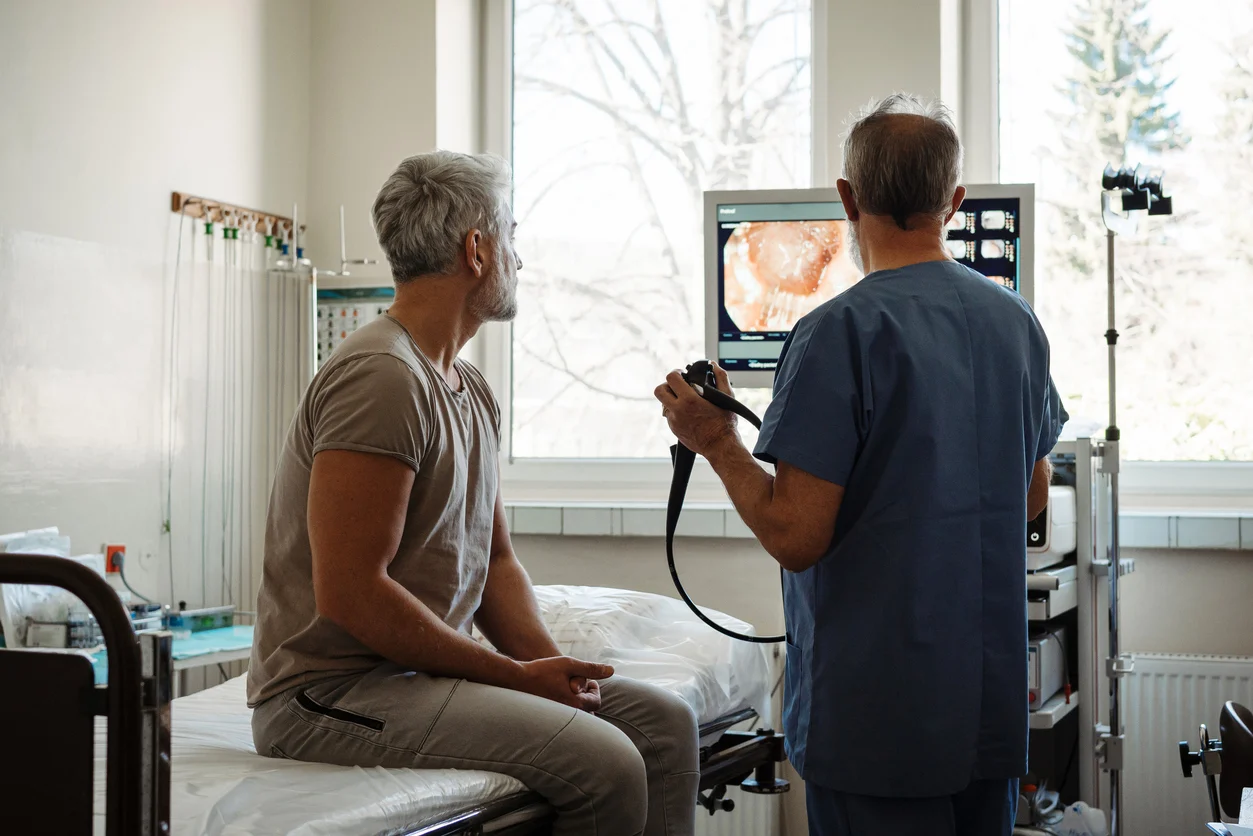
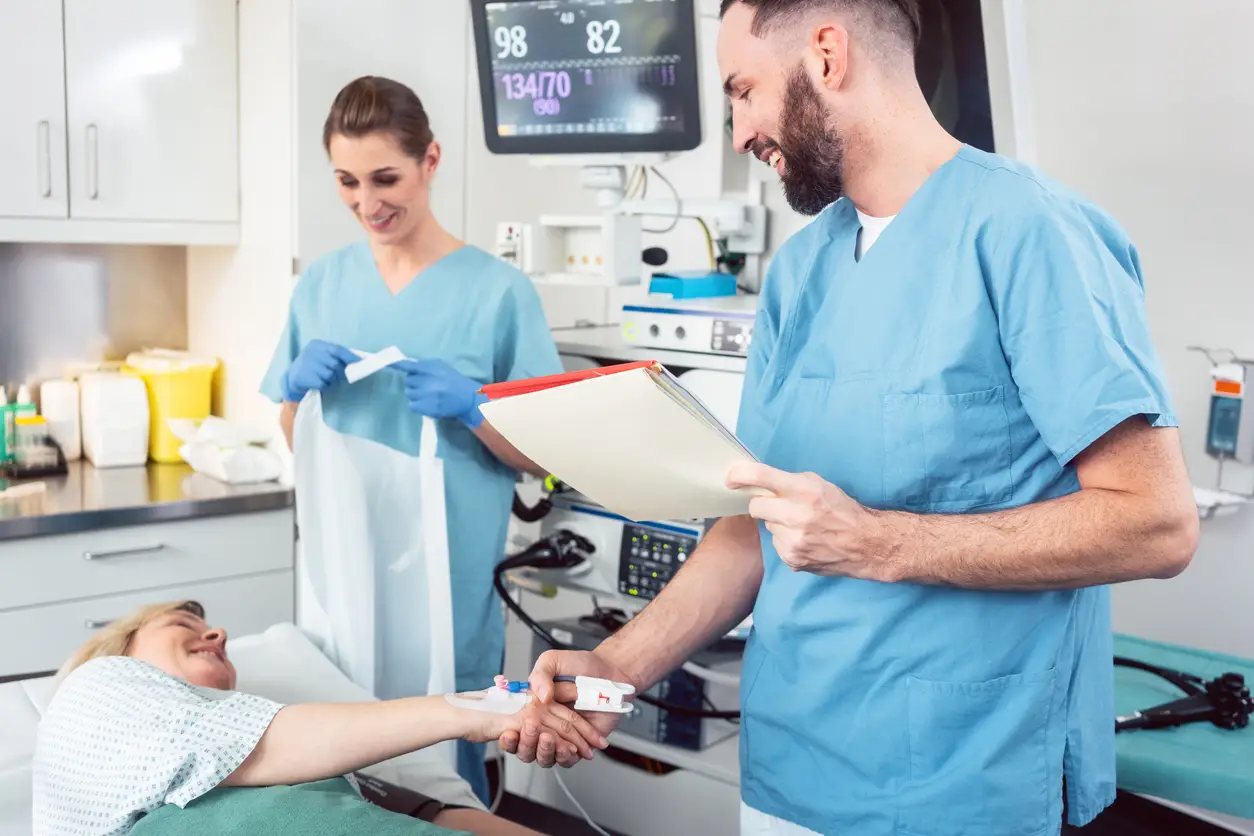
You’ll be sedated on the day of your colonoscopy, so you’ll be unaware that anything is happening during the procedure. Hardly anyone even recalls it. The entire process typically runs for about 30 minutes to an hour. Someone will need to drive you home afterwards since the sedation will have lingering effects. Afterward, your doctor will tell you what they saw and whether or not they removed any polyps.
What is the recovery time?
If you’re wondering how long to schedule a colonoscopy, read ahead. A colonoscopy pretty much recovers itself fairly quickly. The sedation leaves most people a bit groggy, and some have some moderate bloating or gas. You will likely be able to eat normally within a few hours and return to work (or your normal activities) the next day. You generally don’t need downtime longer than what your doctor advises, unless that’s what your doctor tells you is necessary, such as Wegovy after colonoscopy.
Is the treatment insured?
In most cases, yes. Preventive screenings, such as those for the colon, are usually covered by insurance with no out-of-pocket charge, particularly for people ages 45 to 75. But it’s always good to verify with your own doctor first to see if your specific plan covers it. If the procedure also includes taking out or off polyps, that could be something different — so be sure to ask your provider what that might mean for you.
What if your findings indicate polyps or other issues?
If your doctor does find polyps during your initial colonoscopy, do not freak out. It’s quite common, and getting them out is typically fast and painless. The tissue will be sent to the lab to see whether it is benign, precancerous or something that should be monitored more closely. If they’re normal and you’re average risk, you shouldn’t need another colonoscopy for 10 years.
What can you do mentally to prepare yourself for your first colonoscopy?
It’s perfectly OK to be nervous before your first colonoscopy. The best thing to do is become informed in advance and speak to people who’ve had one. Chances are you will hear most people say that it wasn’t nearly as bad as they’d feared. Select a doctor who listens to your needs and is able to articulate the process to you. It’s a lot less intimidating when you feel educated and supported.

Conclusion
Your inaugural colonoscopy may sound scary, but a test for life-threatening cancer is a hell of a lot scarier. Below are some other ideas to consider. The experience can be smooth and even empowering with the right doctor, some preparation and a little patience. And it’s not just about avoiding cancer — it’s about being in control of your health. So if you’re at or approaching 45, or if you have risk factors, talk to your doctor, and go make that appointment. Your future you will say thank you.