What Kind of Doctor Do I Want for a Colonoscopy?

When it’s time to get a colonoscopy, you probably have a lot of questions: Why do you need this test? What are the risks and benefits? And one of the first may be: Who is actually going to do this thing? A colonoscopy is not your average routine check-up. It’s a medical task that demands training, precision, and a good bedside manner. So, if you’re setting out on the search, you’ll want to know what kind of colonoscopy doctor is most capable of fulfilling the mission. Fortunately for patients, some doctors specialize in exactly this kind of work—and getting the right one makes the whole experience make so much more sense.
Your Content Goes Here
What do you have to look forward to with a colonoscopy?
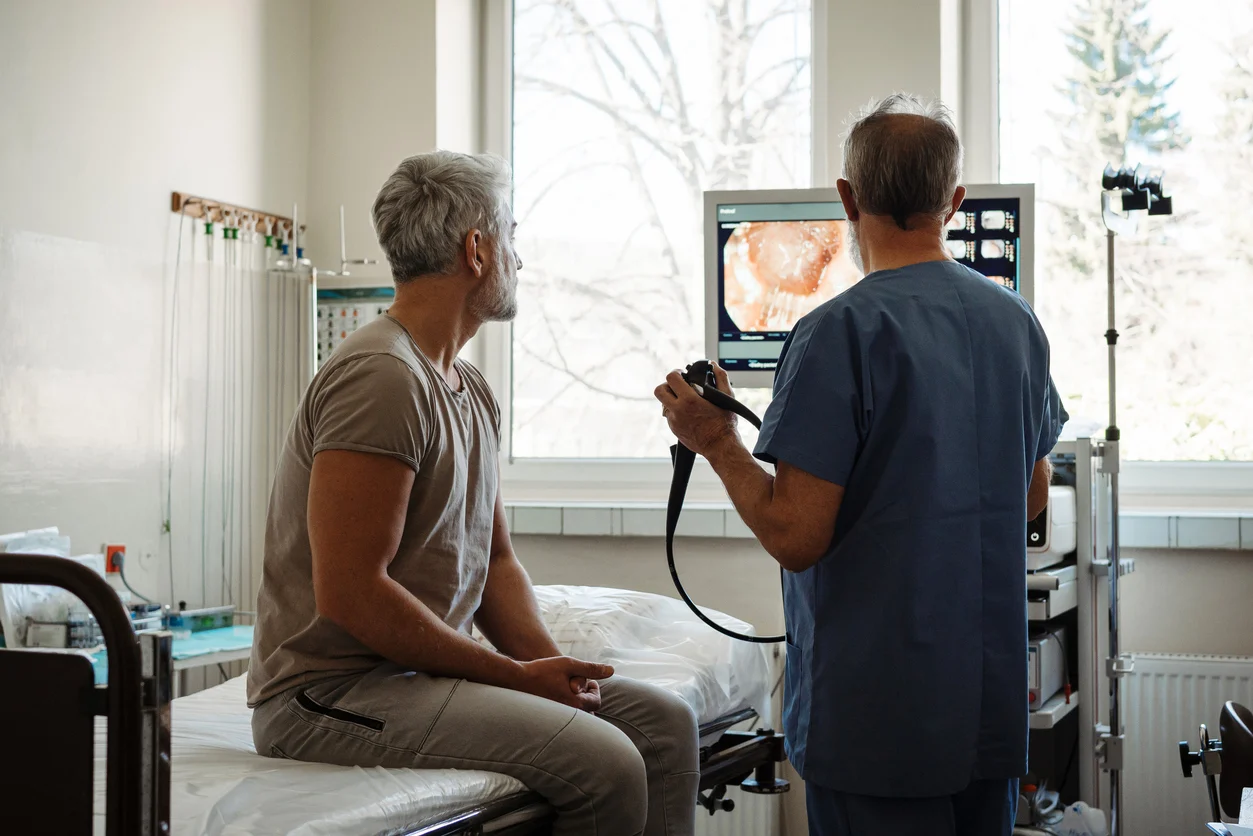
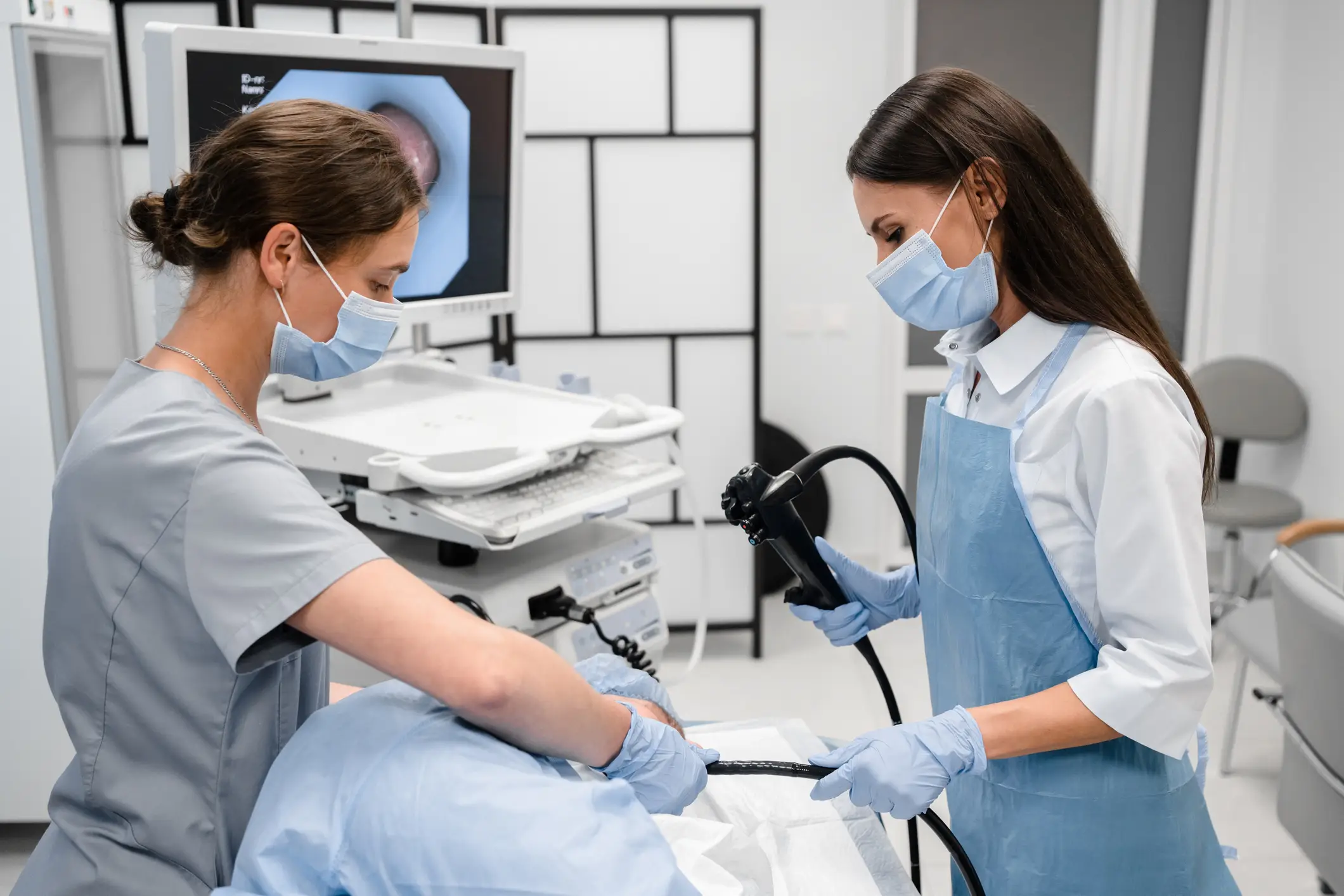
Before getting into who, exactly, the best doctor is, it’s useful to understand what a colonoscopy is in the first place. It’s a diagnostic test in which the inside of your colon and rectum are looked at using a long, flexible tube with a small camera at the end. Doctors and other health professionals use it to look for polyps, bleeding, inflammation or early signs of colorectal cancer. This typically takes 30 to 60 minutes, and is done under sedation so you remain comfortable. Because it is such a crucial and sensitive exam, who you choose to do it really matters.
Who can perform colonoscopies?
The gastroenterologist is the most common and trusted specialist for performing colonoscopies. These are doctors who have extra years of training after medical school to learn specifically about the digestive system. Translation: They are pros when it comes to your esophagus, stomach, intestines, liver and colon. Colonoscopy is performed frequently by gastroenterologists, who are well trained to identify even the smallest of lesions. If something abnormal appears on the test, they can typically excise the offending area or take a biopsy for further testing.
Can a general surgeon also perform a colonoscopy?
Yes, general surgeons can do colonoscopies — and they are if they are already on your treatment team or if you are having surgery for a related condition. Though general surgeons might not do procedure quite as often as a gastroenterologist, they are highly competent and undergo plenty of training in endoscopic approaches. If your primary care doctor refers you to a a colonoscopy doctor, it’s usually still a safe and reasonable decision — especially if you’re also having other problems like hernias or other gastrointestinal ailments.
Do I always want a gastroenterologist if given a choice?
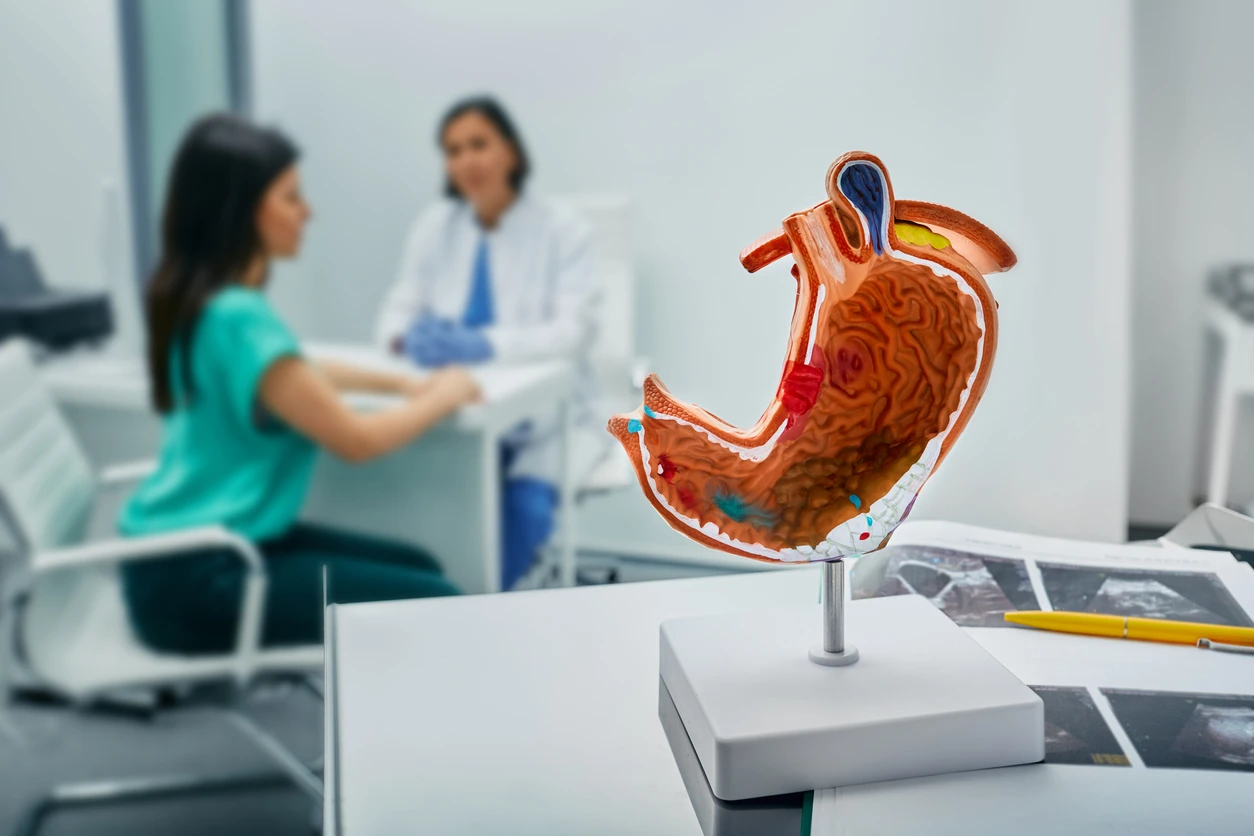
If you have a choice, a gastroenterologist is typically the most specialized. These physicians conduct colonoscopies regularly and stay up-to-date on the most recent screening recommendations and treatment options for gastrointestinal problems. They are specifically trained to focus on the digestive tract, which gives them a leg up in picking out the subtle signs that some others might overlook. For routine screenings or if you’re at elevated risk of developing colorectal cancer, a GI specialist usually will be the most comprehensive option.

How can I find the best colonoscopy doctor near me?
Consult your primary care physician for a referral to a colonoscopy doctor near me. Check the websites of local hospitals or specialty centers that focus on digestive health. Read reviews, verify credentials, and consider how often the provider performs colonoscopies, as more experience often leads to better skills and confidence.
What will the doctor do before the procedure?
A good specialist will not only schedule you and put you through it all. They will explain the colonoscopy prep, what the test consists of, and what happens after. You should feel free to ask questions, share concerns and gain clarity on what you can expect. If you feel you are being brushed off, or you feel confused after having a consultation, that might be a red flag. A good GI doctor or surgeon will ensure that you’re fully informed and respected at all times.
Which would you value more?
Both are important, but when it comes to a delicate procedure like a colonoscopy, experience matters. Find somebody who does colonoscopies frequently and has good results with low complication rates. You could inquire as to how many they do in a year, or whether they’re board-certified in gastroenterology or surgery. It may also give you more peace of mind to work with the best colonoscopy near me who is current on technology or techniques.
What if I’m anxious about the procedure itself?
You’re definitely not alone. First of all, plenty of people are terrified of having their first colonoscopy, particularly if they don’t know what’s involved. But a good doctor can make all of the difference in the world. The good news is: you don’t have anything to worry about — the sedation process will be explained to you, and a kind, caring GI will walk you through this entire process, each step of the way. Generally, their team is trained to put patients at ease, and you may be surprised at how suddenly it’s all over.
Can I continue seeing that doctor after the colonoscopy?
Absolutely. If you have an abnormal finding on your colonoscopy, your gastroenterologist is likely to be the physician guiding the decision-making about your next steps. This may mean repeating the test, taking out more polyps or referring you for treatment. It’s also worth having an ongoing relationship with a GI specialist if you’re dealing with digestive issues long-term, if you have a family history of colorectal disease, or if you have certain conditions, such as IBS or Crohn’s disease.

Conclusion
When you need a colonoscopy, you want the best colonoscopy doctor who is an expert in the body’s digestive system — and that’s typically a gastroenterologist. These doctors come with specialty training and decades of experience, and they are generally the best choice for most patients. Whether it’s your first visit or you’re dealing with a long-term problem, the right doctor can make all the difference. Ask questions, get a recommendation, and find a provider that makes you feel confident and informed. You’re worth it for the sake of your health, and the sake of your peace of mind.