The Professional Behind Colonoscopy: Why The Clinician Matters More Than Ever
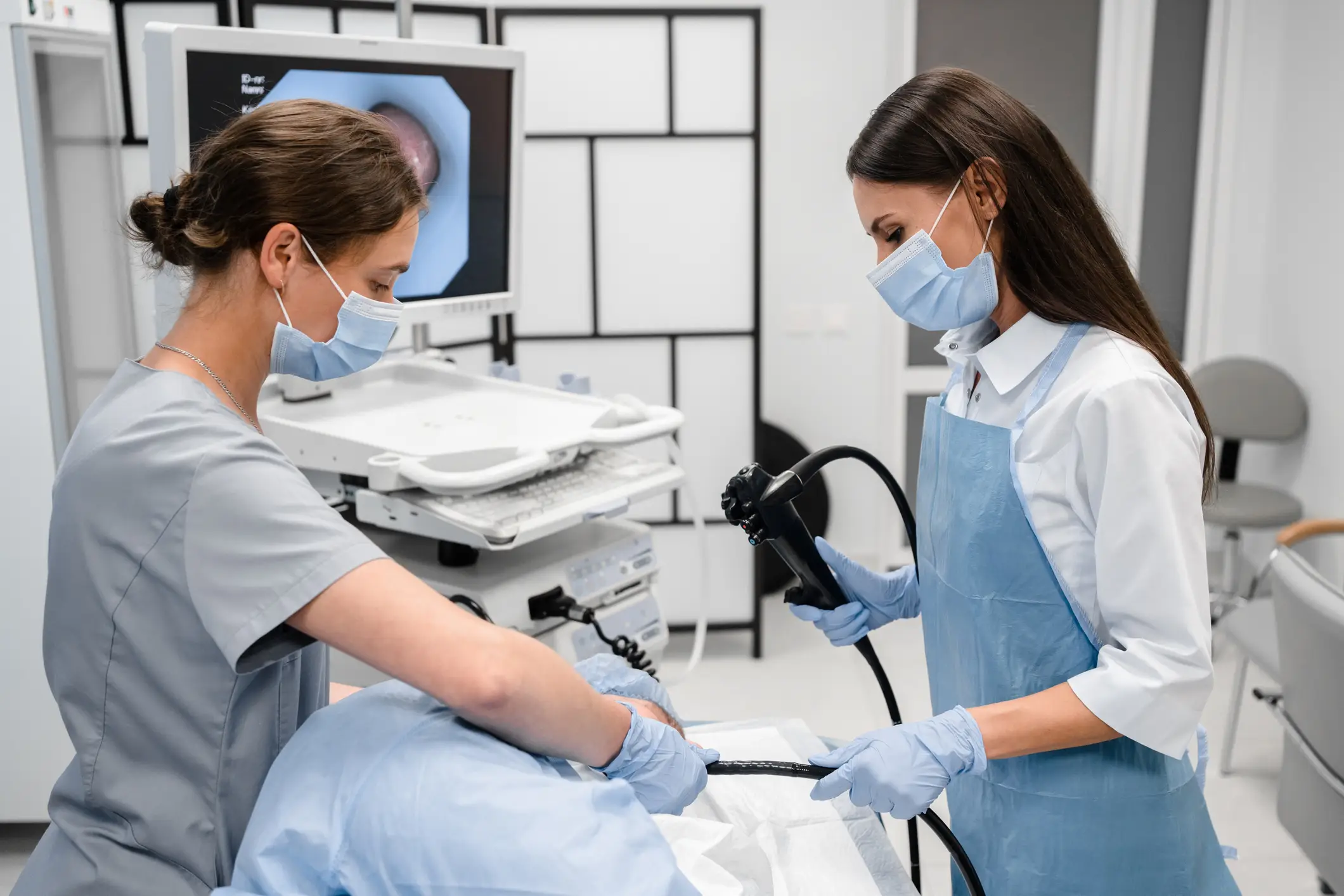
When most people think about colonoscopy, they think about the process — preparing it, sedating the patient, or getting the results. Less often but just as well, is the physician performing the examination. Colonoscopy is not only a test; rather than a surgical measure for the individual patient, it is a skill-dependent medical practice, where outcomes are affected by the knowledge, perception and attention of the doctor behind the scope. The importance of the Los Angeles colonoscopy doctor has become greater as screening criteria progress and technologies have progressed. Contemporary colonoscopy not only depends on equipment but also on the physician’s clinical judgment that influences how expertly the colon is looked at and interpreted.
Colonoscopy Is a Doctor-Driven Process
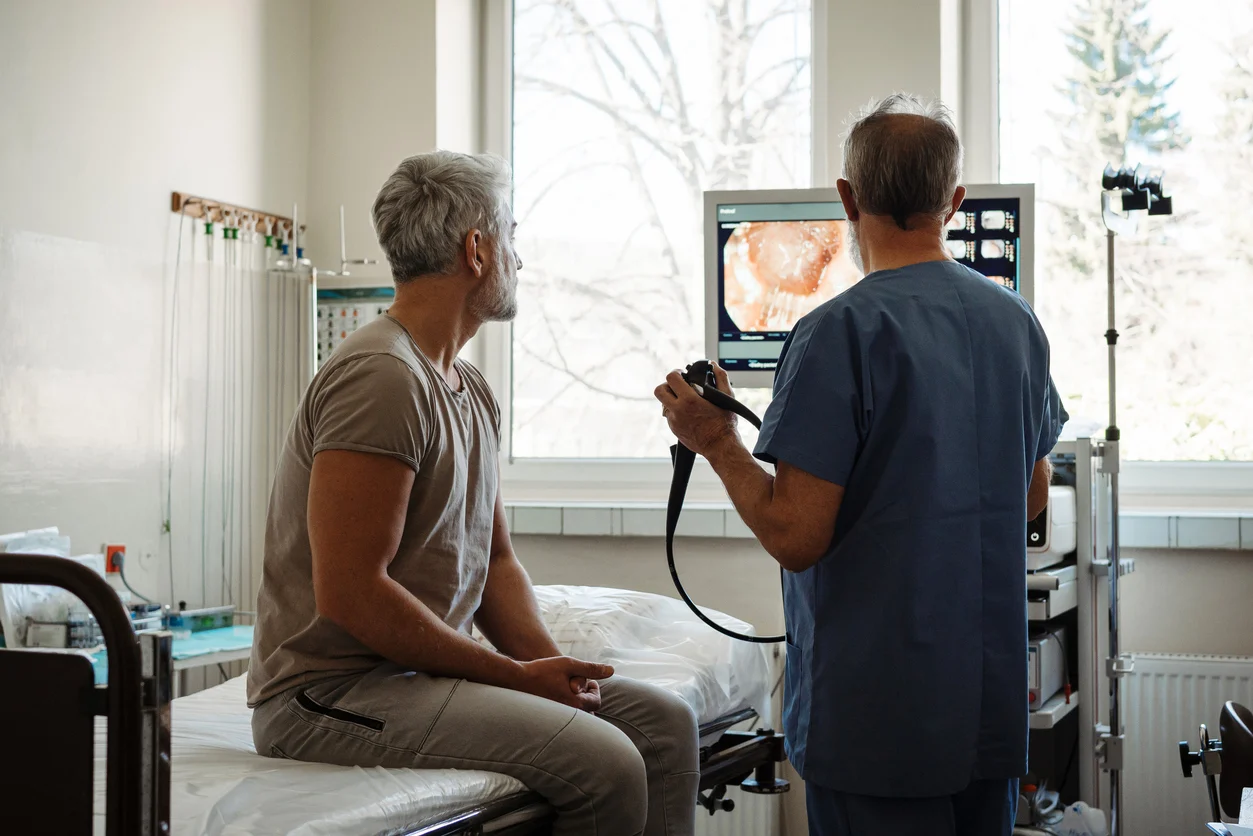
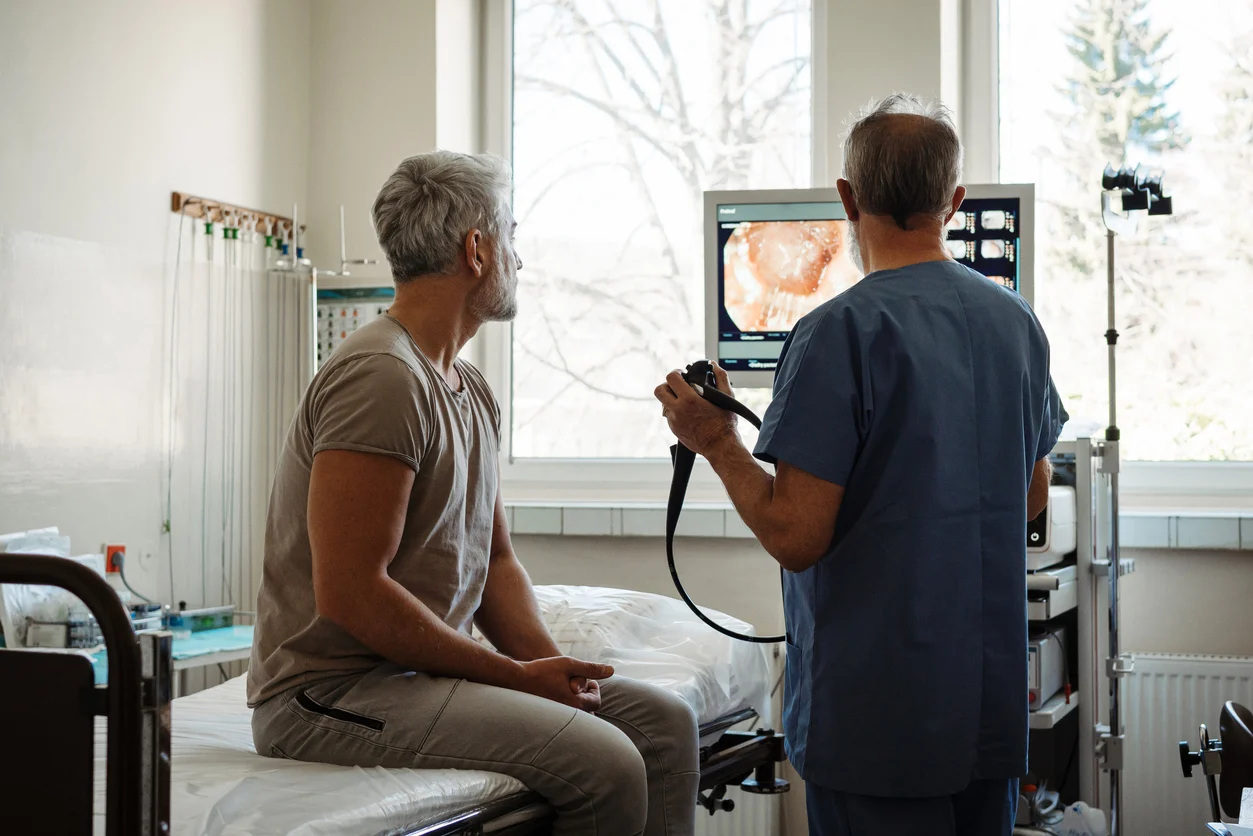
Colonoscopy is performed by a trained specialist, in real time, versus many screening tests using laboratory processing or automated analysis. Each motion of the scope, every decision to stop, biopsy, or excise tissue, and every judgment on what is clinically meaningful is in the physician’s hands. For years after a diagnosis, gastroenterologists are trained to perform more delicate, technical procedures called colonoscopy. That involves learning how to work through the anatomy of the colon in a manner that is both safe and sensitive, to identify subtle abnormalities and to differentiate between benign findings and lesions that represent future risks. The success of a colonoscopy is a function of the doctor’s skill level, perception and training of skills.
And studies consistently find the direct correlation between physician performance metrics — polyp detection rates and patient outcomes. In fact, with higher rates of detection comes lower risk of developing colorectal cancer again, which emphasizes the role of expertise in the exam itself.
Understanding What the Eye Looks For
Technology doesn’t decide anything, even with high definition imaging and advanced scopes. The doctor has to interpret what shows up on the screen, often separating between normal tissue variability and early signs of disease that are both subtle and often easy to miss. Flat polyps, for instance, can become incorporated into the colon lining and need a trained eye to detect. Some lesions are not as worrisome as most but have histologic characteristics that need to be removed. Those judgments are influenced by experience, recognizing patterns, and the developmental nature of colorectal disease. Colonoscopy doctor Los Angeles is as much an interpretive skill as a technical skill. The physician is crucially able to slow down, examine folds as they come into view and reassess regions of concern, helping determine if the screening is effective.
The Procedural Decision-Making
One of the strong points for colonoscopy is that as soon as possible when we find abnormalities, it can be done. When a polyp is identified, the doctor must decide whether it is capable of being safely removed while undergoing the same procedure with what technique and need for added sample size. These decisions require a deep understanding of risk or pathology as well as anatomy, and are made in real time. Removing a polyp is not one-size-fits-all process—size, form, location, and look all count toward one approach. And an experienced physician knows when a removal is simple and when a caution or referral is warranted. It is this intra-procedural decision-making process which is why colonoscopy is still the gold standard for the prevention of colorectal cancer.
Outside the Scope: Clinical Judgment and Follow-Up
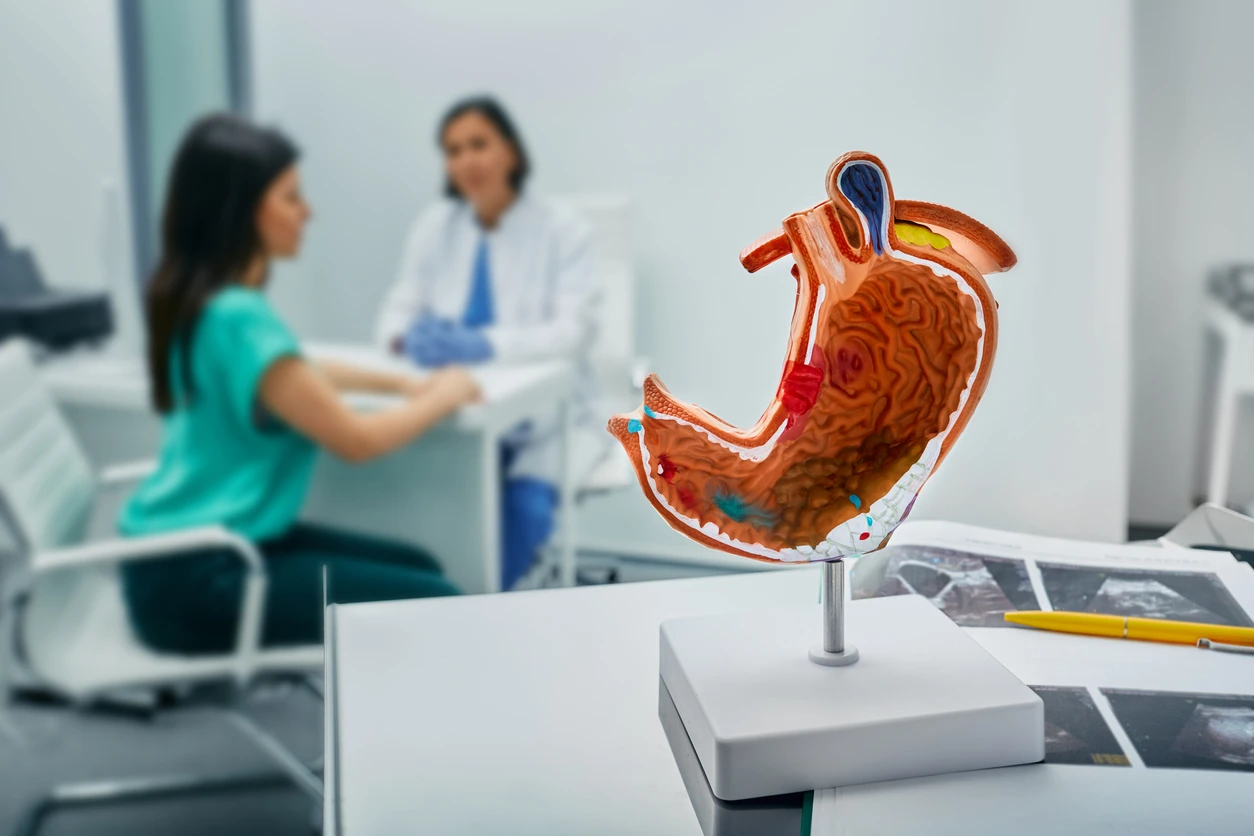
The physician does not stop to act after the procedure is finished. Interpretation of results, examination of pathology findings and consideration of follow-up sessions is a key aspect of care. Normal colonoscopies Los Angeles might imply 10 years of reassurance but certain findings warrant closer watch. Guidelines give you the framework to follow but individual risk factors are important. Screening intervals and future recommendations are influenced by family history, prior findings and overall health. More seasoned physicians customize follow-up plans per patient and not a set schedule. Clear communication is another area that is part of physician knowledge. Conveying findings in a way that will be understandable to a patient decreases anxiety and reinforces the value of preventive action.
Patients who feel safe and comfortable have a lot of experience. Colonoscopy is a safe procedure. But as with other procedures for the prevention of disease, it often requires very careful technique. Proficient physicians take time-tested techniques like this to navigate an anatomic difficult terrain, handle looping of the scope of operation, and modify their technique so that their patient remains comfortable. Such expertise helps minimize complications and speeds the recovery process. Patients frequently say that procedures given by trained physicians are easier than they imagined, and little discomfort occurs after them. Having that experience establishes trust and keeps patients current on recommended screenings.
The Era of Advances in Practitioners Physicians in the Electronic

New tools like improved imaging and computer-assisted detection are altering the way colonoscopy is undertaken, but they don’t supplant the physician. Rather, they enhance clinical competence. Technology makes note of areas of interest, but the physician must decide what those discoveries mean and how to respond. The future of colonoscopy will be a meeting between cutting-edge technology and experienced professionals. As screening reaches a younger age group and more patients seek preventative care, the physician’s responsibility for guidance, interpretation, and personalization of care only becomes more critical.
Conclusion
Colonoscopy is among the most powerful preventive devices in contemporary healthcare, but whether it works depends upon whom does it. The training, history and judgment of the physician will determine every component of the procedure — from detection and prevention through to long-term care planning. For patients, if nothing else — colonoscopy is a physician-directed process — reassurance can be reassuring. For practices, the focus on physician expertise underscores the true worth of high-quality screening. The good news is that preventive care works best with skilled hands and good judgment. In colonoscopy, it is the doctor behind the scope.