
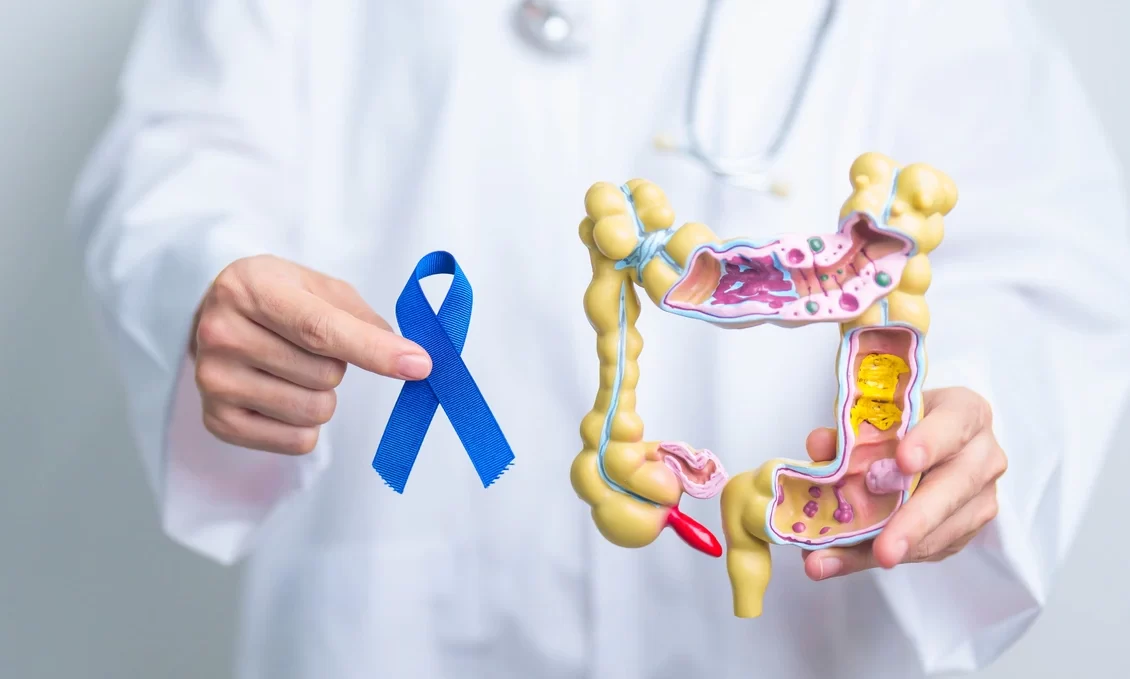
March is Colon Cancer Awareness Month, and it’s just a reminder that it’s not about treating symptoms — protecting your digestion is the answer. They should be avoided entirely. Despite its prevalence as one of the leading types of cancer in the U.S. adult patient population, colorectal cancer is one of the cancers that are most often revealed in its early stages. Patients postpone going to the best gastroenterologist los angeles because they are healthy or feel they should delay screening until later; however, colon cancer often goes on, becoming a quiet burden for years without any symptoms. Awareness sessions in America this month make people aware and informed in a different way.
What Is Colon Cancer Awareness Month? Why Is It Important?
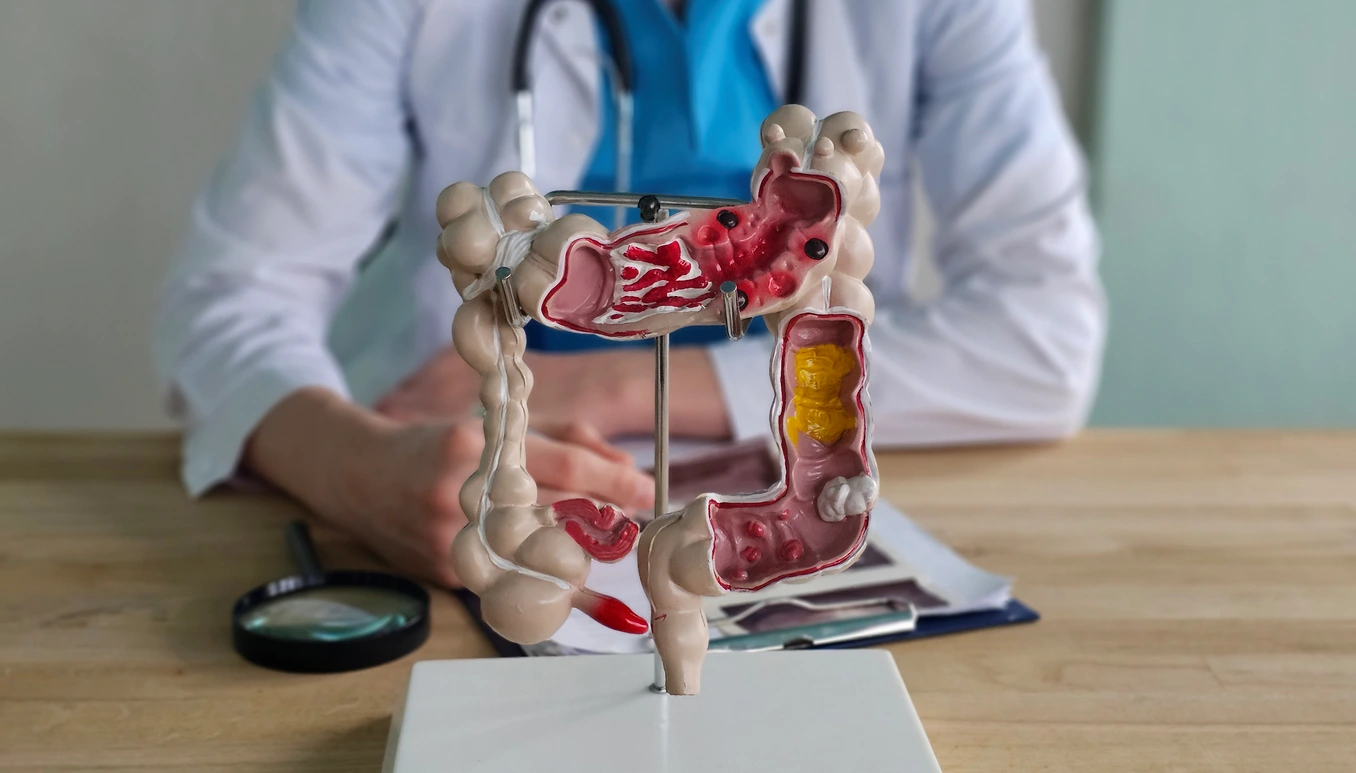
Colon cancer, which is also known medically as colorectal cancer, develops either in the colon or in the rectum — the two major tracts of the digestive system. These organs filter waste and absorb nutrients when we eat. Eventually atypical growths called polyps can form along the inner lining of the colon. Most polyps are harmless, but if they’re not discovered or treated, some will develop naturally bit by bit into cancer. Colon Cancer Awareness Month is a month to promote the importance of early detection. Medical experts say that many cases of colon cancer are preventable by screening those polyps regularly so that doctors can catch them before they develop into cancer.
Sadly, people tend to wait to see their doctor because they think they are fit, healthy, or not sick. So also does the public enlightenment campaign, which highlights that colon cancer can be cured if diagnosed early. By this time, the treatment options may be less restrictive and the patient’s life expectancy may be considerably higher. But when the disease comes in late, treatment can be trickier, and outcomes may not be so clear and less promising. It is imperative that you encourage screenings, and also inform the best gastroenterologist in Los Angeles about the general health of your digestive system when possible, but at the same time, Colon Cancer Awareness Month is simply a matter of saving lives.
When will you Have to see a Gastroenterologist?
A gastroenterologist is a physician responsible for treating the esophagus, stomach, intestines, liver, pancreas, and gallbladder. By specialty, they are trained to treat and care for large numbers of gastrointestinal diseases, including colon cancer. And most health care advisories recommend starting colon cancer screening at 45 in people who are at average risk. Recent studies have also indicated that colorectal cancer rates have been increasing in younger adults, and this recommendation was increased.
Doctors can check for precancerous polyps and remove them before they become cancer, as long as screening is done at the right age. However, the only indication you need for that age is age and whether there is a gastrointestinal tract issue – although you surely should see the top gastroenterologist Los Angeles. Patients with cancer who have a family member with a history of colon cancer or advanced polyps may also need to start screening earlier. Other medical conditions — Crohn’s disease or ulcerative colitis, to name a few — have also helped lead to a higher risk of colorectal cancer later in life and may need more aggressive monitoring.
But if you’ve had persistent digestive problems, you might consider booking a visit with a gastroenterologist. As is the case with many gastrointestinal complaints that may seem harmless, irreversible changes in digestion don’t go away — they still require that professional diagnosis. A specialist can tell whether the symptoms are really a transient gastrointestinal illness or if a person is experiencing their own intestinal symptoms, but one needs to investigate that too.
Which Symptoms of Colon Cancer Don’t Just Get Overlooked?
There are many problems in colon cancer that, in the early years, individuals may have no or minimal symptoms. And here’s where a lot of screening comes in. But when the symptoms do appear they’re sometimes telling, great signals that something in the digestive tract may be in trouble. Typical symptoms might include bowel habits that change frequently. Other examples could be chronic diarrhea or poor bowel movement, or not enough voiding of your stool. Others have a narrow stool, which might indicate blockage or obstruction of the colon.
The other signs you’re looking out for are rectal bleeding or blood in the stool. There are some medical complications, like hemorrhoids, that will cause bleeding and that you should see the doctor before having it diagnosed. Another important sign is abdominal upset — something a patient all too often overlooks. Chronic pain, bloating, or an involuntary spasm or ache in the abdomen can be signs of inflammation or blockage of the digestive tract. Others experience an increasing degree of unexplained tiredness or weight loss, which occurs when the body is not absorbing nutrients properly. Not all symptoms indicate cancer, though. They’re a reminder that your system may need to be examined by a gastroenterologist.
How Does Colonoscopy Help Prevent Colon Cancer?
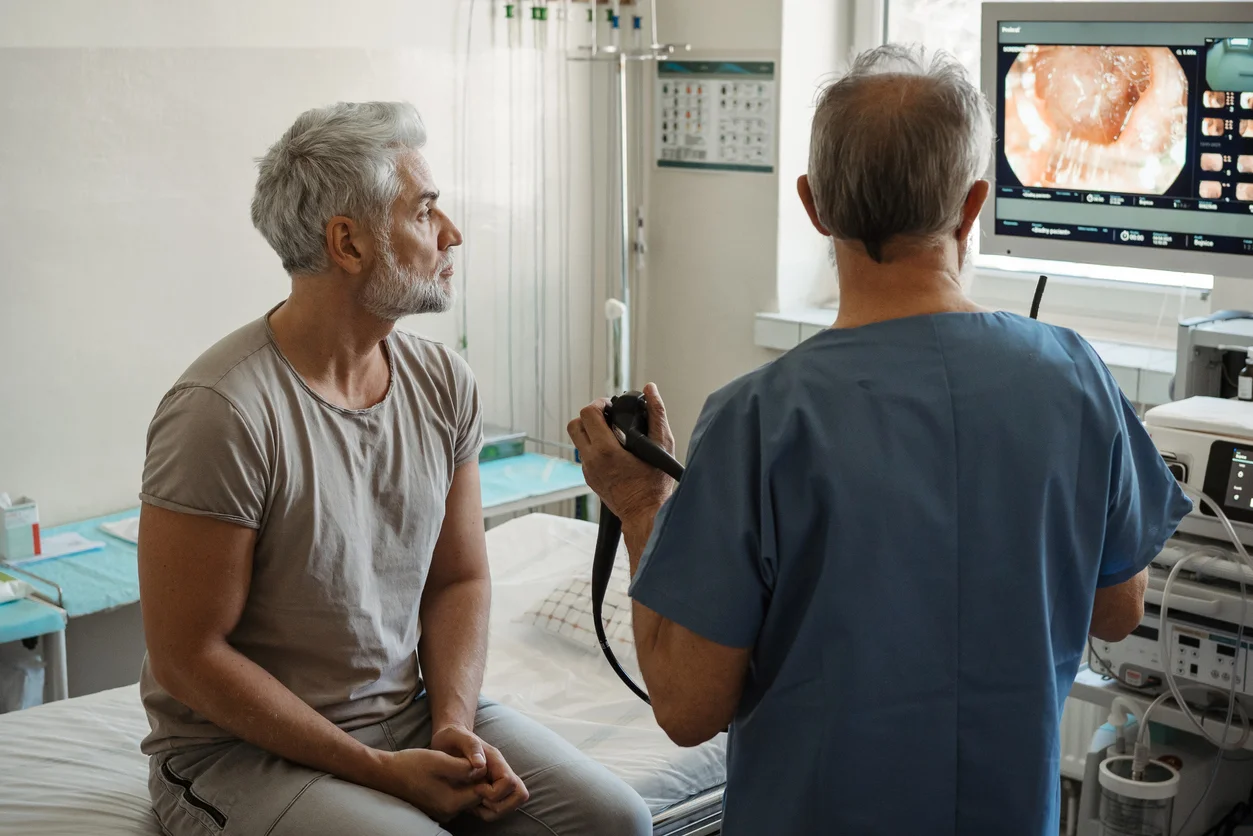
Colonoscopy is an excellent screening and preventive option for colon cancer. A gastroenterologist evaluates the lining of the colon with a flexible, thin tube attached with a camera. It’s an approach that allows physicians to watch patients for polyps or other lesions of the colon that would be difficult to find through other tests. What’s more, one of the most important advantages of colonoscopy is that polyps are excised during the process in which they were detected. Removing such precursors from the growths decreases the odds of colon cancer developing later on. Many patients are highly anxious about scheduling a colonoscopy in the first place — partly because they have no idea what they’re waiting for. It should be mentioned that this procedure is usually done under sedation; for this reason, people are very relaxed when they are being assessed.
But most people are hardly aware, or have completely forgotten about it. Although colonoscopy involves immediate dietary changes and bowel cleansing, in the short term, this process usually takes less than an hour. The patients typically return to their homes around the same day and start their daily lives. Early detection can be dividends, and keep disease at bay, making this screening one of our best defenses against it because this can improve your digestive health.
What are the Primary Risk Factors for Colon Cancer?
Colon cancer can happen to anyone, but several risk factors raise the risk of developing the disease. As age is the strongest risk factor for colon cancer, routine screenings increase in midlife, as aging will require regular screenings. Family history can also weigh in as a factor. If a close family member has been diagnosed with colon cancer or advanced polyps lately, you are now at greater risk than might otherwise be the case. Therefore, doctors also encourage earlier or more frequent screening. Health risks can also be determined by lifestyle.
Eating processed meat, lacking fiber in foods and beverages are associated with an elevated risk for colorectal cancer. Over time, lack of exercise, smoking and heavy drinking also can lead to digestive problems. Medical situations can increase risk, as well, so gut health is a big issue. Inflammatory bowel diseases, like Crohn´s disease and ulcerative colitis, result in chronic inflammation in the intestines, and can increase your risk of cancer. And so a gastroenterologist comes through that with you and we can talk about screening that works up your health profile.
What are the Factors Associated with an Increased Young Adults with Colon Cancer?
In a modern-day approach to healthcare, one of the most shocking trends was the increasing incidence of colorectal cancer in younger adults and their increasing prevalence of bowel cancer. Scientists don’t understand the reasons for this increase at the moment, but several factors seem to be involved. Changes to diet, reduced physical activity and creeping obesity could also be damaging to the body’s digestive system. Scientists have also explored how the gut microbiome — the bacterial composition which dominates the digestive system — is involved in cancer development.
As the demand for diagnostic testing and surveillance increased, doctors have shortened the age of recommended screening for average-risk adult patients from 50 to 45. And those who do have lingering digestive symptoms, even if they are younger, they can’t possibly be too young to qualify for a more thorough examination. Colon Cancer Awareness Month is there to remind us that having a candid conversation, in order to nip things in the bud before they get worse, really helps a lot, especially in the early stages with a gastroenterologist.
What Can You Do In Colon Cancer Awareness Month?
Above all, this month of Colon Cancer Awareness is about the people who are attempting to do less harm. For some, it may simply mean having their very first screening colonoscopy under his or her belt. For some, it might be consulting a specialist to review long-standing digestive symptoms or a family medical history. If this is the case, early detection is the most effective means of preventing colorectal cancer, the only chance at all to stop any such thing. Treatment options are usually less aggressive and less damaging if detected at an early stage. And screening can help get rid of cancers altogether if it’s done to clear out precancerous polyps. Good digestive function correlates directly to well-being per se. And it conveys reassurance, clarity, protection for your long-term health — because being screened for that kind of thing, attending a gastroenterologist can assure, and clarify that if you prioritize that.
Conclusion
Colon Cancer Awareness Month is a bracing reminder that early prevention and detection can save lives. The fact that we can learn about the risk factors, search for the symptoms and signs that may go with poor health, evaluate potential problems, comprehend better just what kind of symptoms may co-occur with these diseases, and keep up with new screenings that may be needed means that patients can implement meaningful changes to their gut health. If you’ve got a chronic GI issue, a doctor can halt the onset of major issues. You go to a gastroenterologist, you visit a surgical evaluation for a GI doctor – this is far more than just testing; you take advantage of expert advice from people that have an understanding but who already know you should experience expert advice, identify and treat your problems early in the life-cycle and steer clear of problems of a smaller magnitude that do not evolve to crises. You should be healthy with a colon in the long run, and the biggest benefit to your health is what is best to prevent health problems in your colon, however you can.