
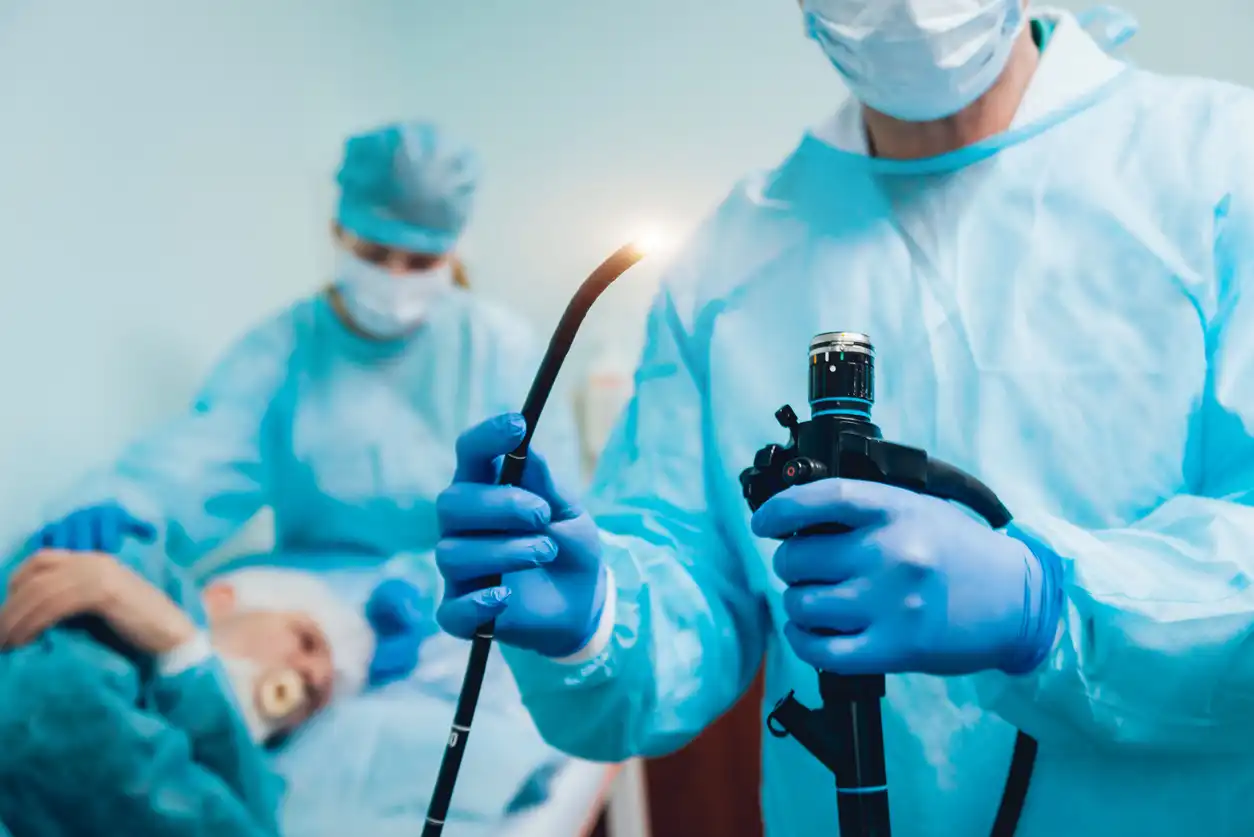
Colonoscopy is among the most frequently performed and successful procedures for viewing colon cancer, polyps and other gastrointestinal disorders. While the thought of having the procedure is likely to be stressful, much of that anxiety comes from not knowing what it will be like. How long does the surgery take?’ is one of the common questions patients like to know. Knowing the timeline, from preparation at home to recovery afterwards, goes a long way toward alleviating jitters and creating potential for planning around poor weather. “Although the duration of the procedure itself is typically less than hour, the total process takes much longer and consists of some essential steps led by a best rated gastroenterologist.
What is the duration of the colonoscopy procedure?
A long, flexible, lighted tube (colonoscope) is inserted into the rectum to see the colon and rectum. Gastroentologists near me are searching for abnormalities — polyps, inflammation or evidence of cancer. If polys are discovered, these can frequently be snared at the time and this may prolong the examination. The duration of the surgery also varies according to patient’s anatomy. A colon with some strange kinks may be a bit more attention. But the entire process typically takes no longer than an hour for most patients.
What happens before you have a colonoscopy?
Although the scope time is apparently very short, the time at the endoscopy office increases the total duration. Patients check in, review their medical history and meet their care team upon arrival. Then they are sedated with IV… so sedation is performed to be comfortable during the entire therapy. This preparatory period lasts from, around, 30 to 45 minutes. Nurses will monitor the patient’s vitals during this time to make sure they are stable prior to the colonoscope being inserted. It’s something that they should have and that has been part of the process all along even though patients don’t feel it and aren’t aware it’s occurring because of sedation.”
What is the length of recovery after the surgery?
The patients are transferred to a recovery area and usually discharged when sedation wears off after colonoscopy. This re-warming takes about 30-60 mins. Staff members also check blood pressure, heart rate and breathing throughout this test of a person’s ability to endure deprivation. Patients are generally somewhat groggy or lightheaded, said Dr. Marc R. Russo, the chief medical officer of the Memorial Hermann Health System, who is caring for Mr. Ali. Do not drive or return to work immediately upon leaving the clinic. The vast, vast majority end up going home and sleeping for the rest of the day — and are wide awake and alert the following morning.
For those who plan to stay the entire visit, how many days should you book?
In total, patients can expect to dedicate about two or three hours at either the clinic or hospital. This includes check-in, preparation, the colonoscopy and recovery from the colonoscopy. The time can vary, but you should plan at least a half day for the procedure. Sedation shuts down other activities so it’s not a good idea to also have to juggle other responsibilities on the same day as treatment. Considering the future may also streamline the process and relieve anxiety around timing.
Why is part at home the longest?
The preoperative bowel prep the night before is considered the most burdensome aspect of the surgery. That is followed by a low residue meal and an orally ingested colon-cleansing solution. The preparation may take a few hours and usually starts the night before the procedure. It’s not fun, but the gastroenterologists near me needs a clear look at your colon. And without that prep, the colonoscopy will probably then be incomplete and will likely need to be repeated.
What are some perceived reasons that might cause a colonoscopy to take longer?
How long your colonoscopy takes could be longer under certain conditions. If a few or more polyps are found, the procedure may be prolonged by a few minutes in order to remove them. Patients with scarring diverticulosis or complex anatomy may also require longer. There may sometimes be technical difficulties looping the scope which render the procedure unsuccessful. This surveillance period may be extended further in patients with comorbidities, as well. These are unusual scenarios, but they illustrate why doctors can comment on a range, not a specific point in time.
What is the most uncomfortable part of a colonoscopy?
Usually patients can eat and drink n on their way home from the clinic. Small initial meals, especially if the stomach is upset. If a polyp was removed, the physician might advise avoiding some foods for a short period. Some gas is used during the procedure so you could feel a little bloated or crampy. Most of these symptoms are not produced by many other glucosides and are transient in nature and tend to subside within a few hours. If necessary, the care team provides specific instructions to ensure a safe recovery at home.
How soon after can you get back to your normal activities?
Most individuals can return to light activities that day, but driving, working and making important decisions should be avoided until the next day, due to the effects of sedation. Those patients with polyps removed may receive special instructions for rest and diet. The next morning, the overwhelming majority of patients feel absolutely normal. The doctor can also report the colonoscopy findings and whether any polyps were taken out or additional follow-up is needed.
Why do I need to prepare for a colonoscopy?
Preparing for a colonoscopy is vital because clinical colonoscopy requires preparation/ bowel prep, sedation, and recovery. Clinical colonoscopy might have you in a clinic or hospital for part of the day. As such, patients and their families should expect that you will need the whole day off from work or other commitments.
It may be wise for them to work out transportation as well; you won’t be able to drive after treatment. It’s always good to have somebody with you during the process. Investing the time up front will significantly reduce stress, not turn the focus on the “work” of a colonoscopy, but on the health benefit that is realized in using this technique.

Conclusion
The actual procedure takes only 30 to 60 minutes, but procedure preparation at the clinic, the recovery and at-home prep (done the day before) amount to two to three hours at the medical facility and close to a full day of personal schedule management. This gives people time to prepare, minimizes anxiety and steers patients toward the good that an exam can bring. When performed with adequate preparation, this basic exam could be a life-saving action to protect your digestive health.