

If you have been referred for a colonoscopy Los Angeles by your provider then you may be at least surprised (and perhaps anxious) about what is going to occur. The wording alone sounds awful! A visual of the actual process can take a lot of the stress out of it. A colonoscopy is a type of screening that finds things, like polyps and early-stage colon cancer well before things get serious!! Here is a guide to the experience— from the prep, to the recovery— so you can go into the appointment and walk out of the appointment with confidence.
What is a colonoscopy?
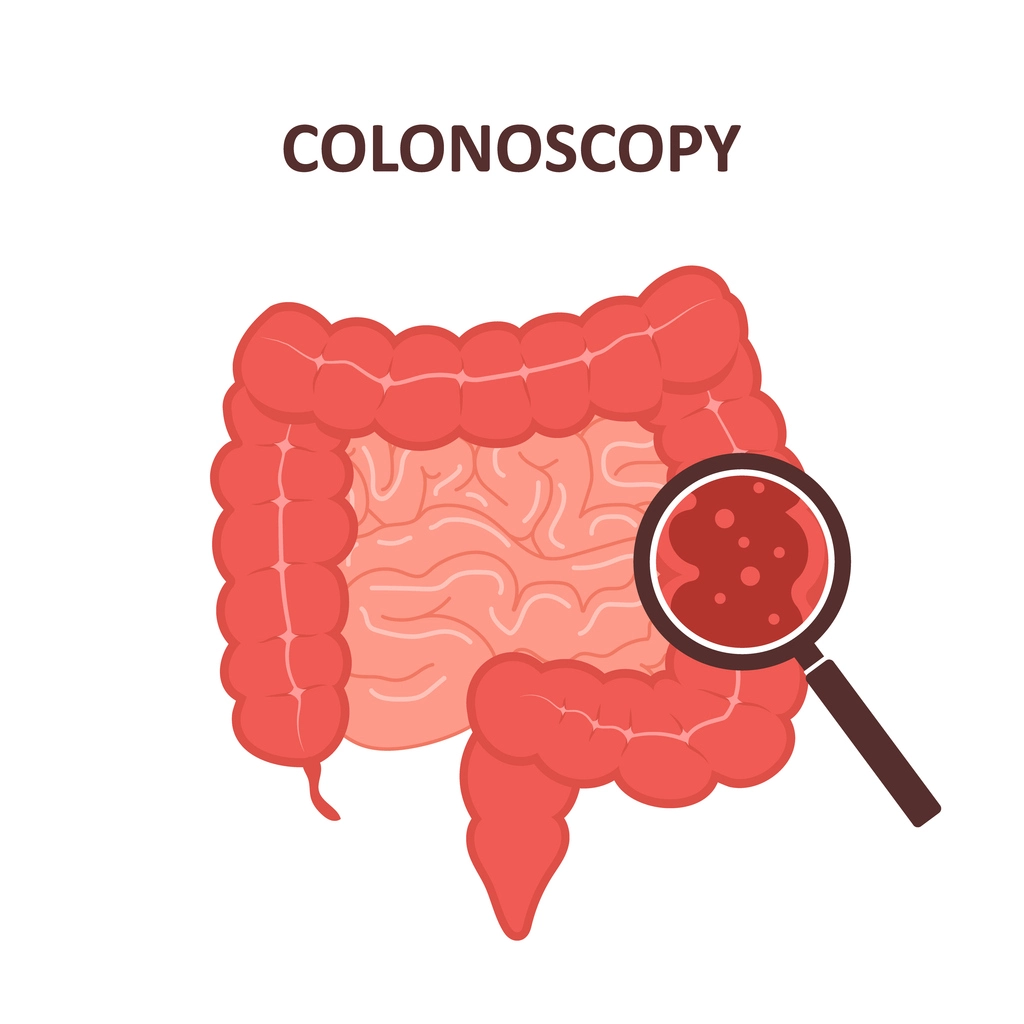
A colonoscopy is an examination of the intestine done with a tube called a colonoscope. The colonoscope has a light and a small camera on the end allowing your doctor to see the inside of your colon. This view in real-time allows the physician to detect inflammation, ulcers, tumors, or other abnormalities that may or may not be seen on an imaging study. A colonoscopy surgery is one of the few medical procedures that can both diagnosis and treat disorders so it is also a critical part of early diagnosis and treatment.

What do you need to do to prepare for a colonoscopy?
Getting right is crucial, for a colonoscopy to go smoothly. In the days before the exam your doctor will lay out a diet and bowel‑cleansing plan. Often you’ll skip foods for the 24 hours prior, to the appointment sticking to clear liquids—water, broth or an electrolyte drink. On top of that you’ll be handed a prescribed solution to sip, which empties your bowels. Even if its far, from the part flushing the colon out gives the doctor a crystal‑clear view of the lining allowing even the tiniest irregularities to be detected.
What Transpires When You Arrive for the Procedure?
Once you check in to the clinic or hospital you change into a gown.An IV will be placed in your arm by a nurse or technician to provide sedating medications. For most patients, we will induce “sedation” on the procedure, which will leave you feeling relaxed and sleepy, although not fully asleep. If you request anesthesia, some centers will provide anesthesia. Our goal is to make sure you are comfortable at all times. Your medical team will monitor your signs – blood pressure, oxygen level and heart rate – during the procedure.
What actually happens during a colonoscopy?
After the settles, in the gastroenterologist gently feeds the colonoscope through the rectum nudging it along the colon at a pace. The tip’s camera streams real‑time images to a monitor allowing the colonoscopy doctor Los Angeles to inspect the colon lining in detail. A light puff of air or carbon dioxide may be introduced to expand the colon slightly sharpening visibility. You won’t feel pain— pressure or bloating. If any polyps or abnormal tissue appear they can be. Biopsied on the spot. The entire exam typically lasts, between 20 and 45 minutes.
Is polyp extraction feasible, during a procedure?
One of the upsides of a colonoscopy is that your doctor can yank out colon polyps then and there. Polyps— clusters of cells that sometimes turn malignant—can be snipped away early nipping any cancer risk in the bud. The physician typically uses a wire loop or a pair of forceps to slice off the growth often cauterizing the spot to keep any bleeding in check. Because you’re under sedation you won’t feel the removal all. After being collected the tissue makes its way, to a pathology lab, where a suite of analyses will sort out whether it’s harmless showing warning signs of cancer or fully cancerous.
Is the colonoscopy procedure painful?
Many folks fret about discomfort. The majority of patients tell us the colonoscopy Los Angeles ends up being less daunting than they’d feared. The sedative typically lulls you into a state often leaving you blissfully unaware of the details. You may notice a puffiness or a brief cramp, as air moves through the intestines. It passes quickly. Afterward it’s common to feel a bit gassy or to need to vent some trapped air, for relief. Any lingering ache generally fades within a handful of hours. All told the whole episode is swift and relatively painless when weighed against the peace of mind it secures.
What happens after the colonoscopy?
You will be in the recovery area after your colonoscopy, as the sedative will take some time to wear off. It is normal to feel a little sleepy or foggy for a while. The doctor or nurse will walk you through what they saw letting you know whether any polyps were snipped off or if biopsies were taken. Because the anesthesia can linger, a ride home, with a friend or family member is required. Most people are back to their routine, by the day although you may be asked to skip heavy lifting and alcohol for about 24 hours. A modest bout of bloating or gas often shows up as your digestive system finds its equilibrium.
What’s the recommended frequency, for undergoing a colonoscopy?
The cadence of colorectal screening hinges, on a blend of factors—your age, the arc of your health history and any lurking risk elements. For the bulk of adults physicians usually advise a colonoscopy every ten years kicking off at age 45.. If a family lineage carries colon cancer if inflammatory bowel disease has made an appearance or if past polyps have already been removed the interval often shortens. Heeding the doctor’s guidance matters because spotting trouble early can truly save lives. Routine colonoscopies Los Angeles remain the way to uncover issues before any symptoms surface.
Are any risks involved?
Colonoscopy is generally viewed as a procedure. Like any medical intervention it carries a modest degree of risk. Occasionally patients may notice a bleeding after a polyp is removed and in rare cases the intestinal wall can be perforated—both scenarios are uncommon and when they do happen are usually addressed promptly. The upside—detecting and preventing cancer—far outweighs these hazards. Across studies serious side effects pop up in, under one percent of cases. Be sure to go over your history and any medications with your doctor before the exam to keep the risk low, as possible.
What in terms do the results signify?
If the colon looks normal the doctor will probably suggest follow‑ups on the schedule. When polyps or abnormal tissue have been removed the lab results will dictate the steps. Most polyps turn out to be benign—so they aren’t cancerous. If precancerous cells are discovered the physician may advise another colonoscopy somewhere between three and five years later. Staying on top of those follow‑up appointments helps catch any changes making timely treatment possible. Your physician will explain everything clearly. Help you understand your results.
How could you go about smoothing out the experience?
Getting through your colonoscopy, with hassle really boils down to preparation and a positive outlook. Follow the prep orders to the tee—this is the way to get reliable results. Take the bowel prep solution in small, spaced-out sips and follow each sip with a sip of water or clear juice to help avoid nausea. Try to have little or no stress the day before your procedure and have a friend with you for your procedure. Keep in mind that the prep is an inconvenience but the shield it builds against serious illness lasts a lifetime. Those who stick to colonoscopies often catch cancers early before they could linger unnoticed for years.
Conclusion
Among the ways to keep your system in shape a colonoscopy ranks as one of the most reliable methods, for preventing colon cancer. The prep can feel like a chore. The actual exam is safe essentially painless and over before you know it. Getting a picture of each stage—from the bowel preparation, to the recovery period—takes the edge off any anxiety. Nudges you toward making preventive care a priority. By scheduling your screening you’re investing in a future and a lot of peace of mind.