
For decades, colonoscopy has been recognized as the most accurate screening method for colorectal cancer. What has not changed is the importance of the procedure, but rather the experience. Technology and a new methodology of screening, along with a higher level of patient comfort and a greater emphasis on patient comfort, are making colonoscopy a much more accessible part of preventive health care than it has ever been. And as exposure to colorectal cancer has grown, and screening begins sooner in many adults, understanding how colonoscopy has developed can help people relax, replacing fear with clarity. Modern colonoscopy with a colonoscopy doctor Los Angeles is better, patient-oriented, and more effective than ever before.
A Different Time in the History of Colonoscopy
Perhaps the biggest one-time success of colonoscopy is better visualization. Now, modern endoscopes have the added benefit of high-definition imaging for more subtle visualizations of the colon lining. This enables physicians to recognize subtle abnormalities — small or flat polyps that were once more difficult to detect. These advances are significant because early-stage polyps tend to be the easiest to remove and the least likely to have caused harm.
Detecting them earlier allows physicians to intervene before cancer has reached maturity. And superior imaging helps give us more confidence in the exam and in our exam itself, so that we don’t tend to miss areas too important to consider. Some locations now also have computer-assisted detection in colonoscopy. These can real-time visualize visual field and flag possible anomalies to the physician’s consideration. And while the procedure is still 100% Los Angeles colonoscopy doctor driven, this extra layer of support also contributes to accuracy and consistency, especially in complex cases, or where risk is high.
Better Detection translates to a Better Outcome
Colonoscopy has long been different from other screening tests in that it permits detection and treatment within a single procedure. Typically, a precancerous polyp can be removed immediately if discovered, thus preventing the risk from emerging in the future. The incidence of new technologies which enhance the detection rate has grown to boost the preventive effect of colonoscopy also. This is vital, because colorectal cancer develops silently. A number of people do not have any symptoms until the disease has advanced, which is why depending on your emotions to protect you isn’t a reliable way to do it. Early and accurate diagnosis shifts the emphasis from managing progression from disease to the prevention of the disease. Such a shift is consequential not just for survival, but also quality of life and over the long term health.
Colonoscopy Preparation is Changing More Than You Think
Preparation has long been the worst and most dreaded part of colonoscopy, but the same with this step of the procedure. Today’s bowel prep products are generally of a lower volume and more acceptable amount with lower tolerances than past formulas, and help to alleviate discomfort and nausea in many patients. Split-dose prep has become popular, which involves taking the cleansing solution in two smaller portions rather than all at once. Not only will this make it more comfortable, but the colon becomes cleaner and will yield a more accurate exam.
A nicely prepared colon lets the physician easily see the lining and there is a lower chance that the process will need to be repeated. Patient education around preparation, moreover, has gotten better a lot. Having clear instructions, digital reminders, and better communication help patients go into the procedure more prepared to do their jobs and less anxious than ever. Having clear expectations makes it all seem more manageable. And the emphasis is on comfort, on the soothing. A new emphasis on patient comfort is another big departure from colonoscopy.
Sedation measures are today safer, more exact, and more suited to user characteristics. Most patients lie in sleep-rested sleep through this procedure and recall little to nothing afterward. Since the procedure itself usually lasts less than an hour, the physical burden it puts on individuals becomes minimal. Recovery by a colonoscopy doctor Los Angeles is generally simple and all but a small number of patients move back to their homes on the same day returning normal as before. There may be mild bloating or some gas to be treated, but serious complications are rare when colonoscopy is performed by experienced professionals. This emphasis on comfort has transformed patients’ views on colonoscopy. What could once be regarded as intimidating is often referred to as being much simpler than anticipated.
Screening Is Beginning Earlier, And There Is a Reason
One of the most notable recent changes in colonoscopy is the revision of the screening guidelines. Colorectal cancer screening for average-risk adults is now recommended starting at age 45, not 50. This is consistent with an alarming rise in the incidence of colorectal cancer among younger adults and solid evidence that screening early is life-saving. And for many individuals in their mid-forties, colonoscopy may be the first major preventive screening. Being aware that this recommendation is about prevention and not about symptom presentation also helps frame the experience.
Screening is not about being an indicator that something is wrong; it is proactive to make sure you’re not missing anything. Earlier screening also means that more people get long-term protection. A routine colonoscopy might provide peace of mind for years, lessening the fear and enhancing long-term health planning.
Colonoscopy and the Shift to Preventive Care with the Prevention
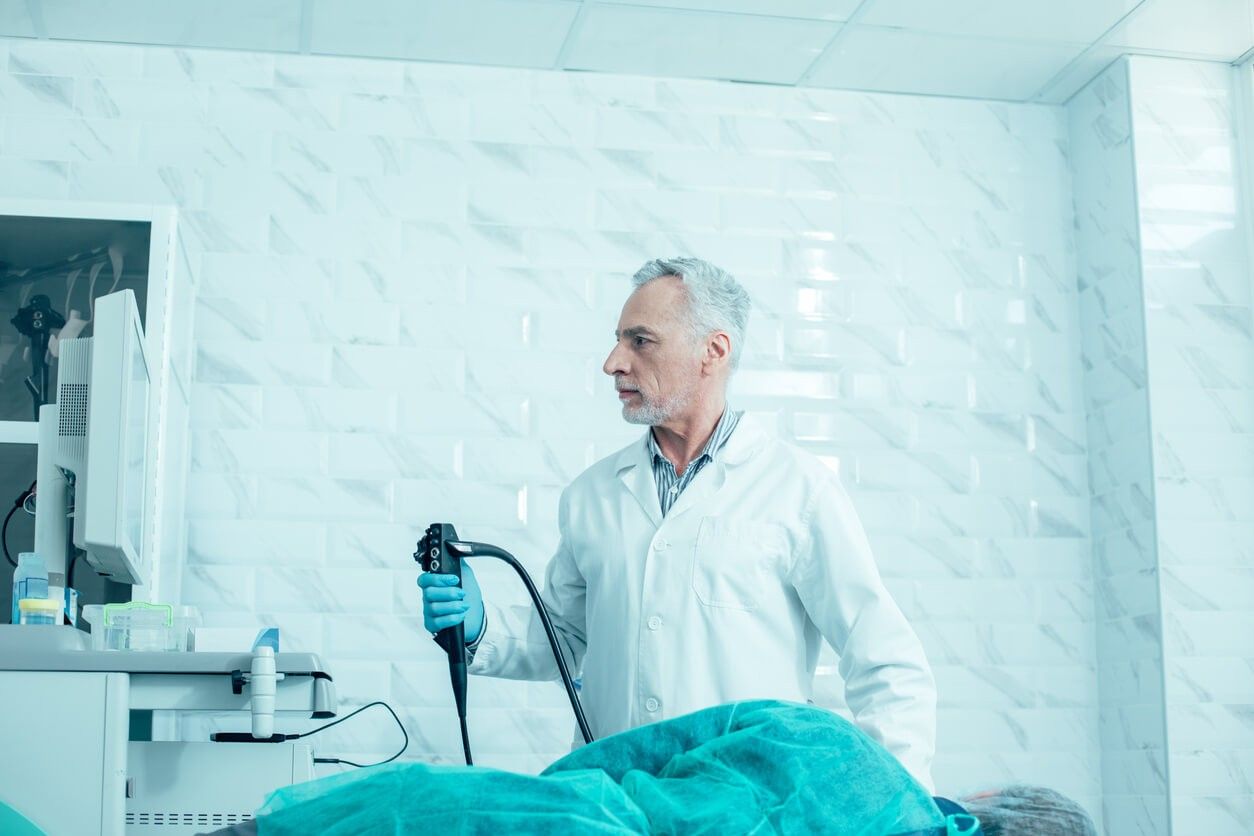
Healthcare has increasingly shifted towards being preventive, putting emphasis on early identification of risks rather than response to late stage illness. Colonoscopy is nestled right into that model. It is not merely a diagnostic test, but a proactive measure that reduces future cancer risk. Preventive care has its most optimal use if it is both intentional and timely. Colonoscopy provides people with a way to solve some of these potential problems discreetly, early and well without suffering symptoms at all. This is consistent with wider health aspirations that are focused on longevity, quality of life and less medical care in the long run. As health technology continues developing, colonoscopy is a key component to this preventive approach.
Conclusion
Colonoscopy as it stands now is not the same thing it was 10 years ago. Improvements in imaging, preparation, sedation and screening protocols, along with techniques that make it more feasible, more practical, and easier to get is more accurate, and safer. Such adaptations have lowered barriers to participating and increased participation, saving lives in the process. For those who are nearing screening age or mulling over a delayed exam, knowing what’s new can make the decision much less daunting. Colonoscopy was developed in parallel to contemporary healthcare, becoming a traditional and one of the most effective means of preserving digestive health. At its best, preventive care occurs when it is done early and confidently. In its contemporary context, colonoscopy is the perfect opportunity.