What Happens During a Colonoscopy? Knowing This Life-Saving Technique

Let’s face it — the word “colonoscopy” alone is enough to make most people squirm. It’s one of those things we know we should get around to when the time comes, but we never actually think about what doctor does colonoscopy. That’s a different story. The good news is, it won’t feel quite so scary the more you know about what actually goes on during this important exam. A colonoscopy may not be glamorous, but it’s a crucial part of maintaining the health of your digestive system — and it could even save your life.
What is a colonoscopy looking for?
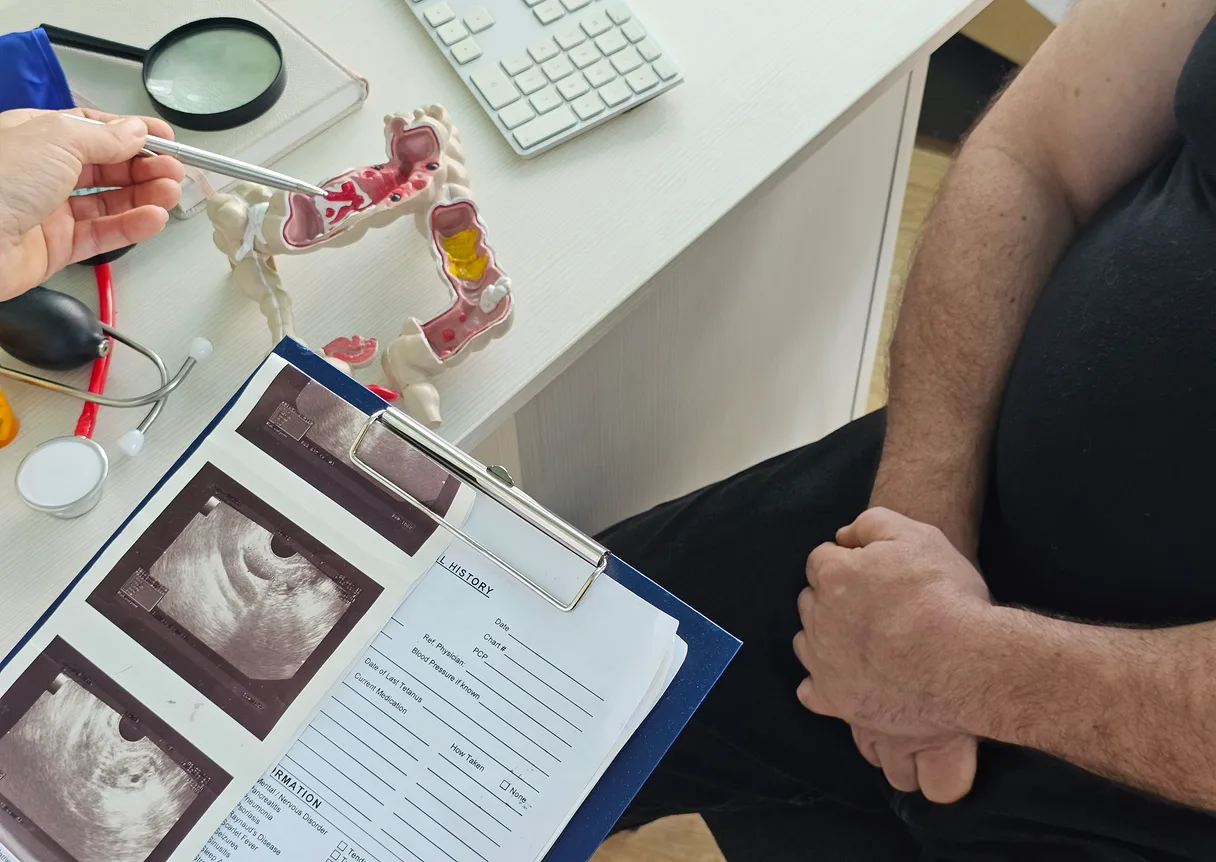
At its most basic, a colonoscopy is a test that allows colonoscopy doctors to examine the inside of your colon and rectum for any abnormalities. With the help of a flexible tube that has a camera at one end — the colonoscope — a skilled doctor will be able to view the inside of your lower digestive tract as they work. They’re checking for things like inflammation, bleeding, polyps or other early evidence of colorectal cancer. The objective is to catch problems before they become serious, sometimes even before you experience symptoms.
Who is competent to give this type of exam?
If you’re wondering who does this type of work, it’s the job of a gastroenterologist. These are colonoscopy doctors near me who spend extra years after med school specializing in the digestive system. They are experts in the stomach, the intestines, the colon and everything in between. Colonoscopies are something gastroenterologists do all the time, and they are good at picking up even subtle abnormalities. You may not even see a general surgeon at all, but for regular screenings, a GI specialist is your expert of choice.
What actually happens during a colonoscopy?
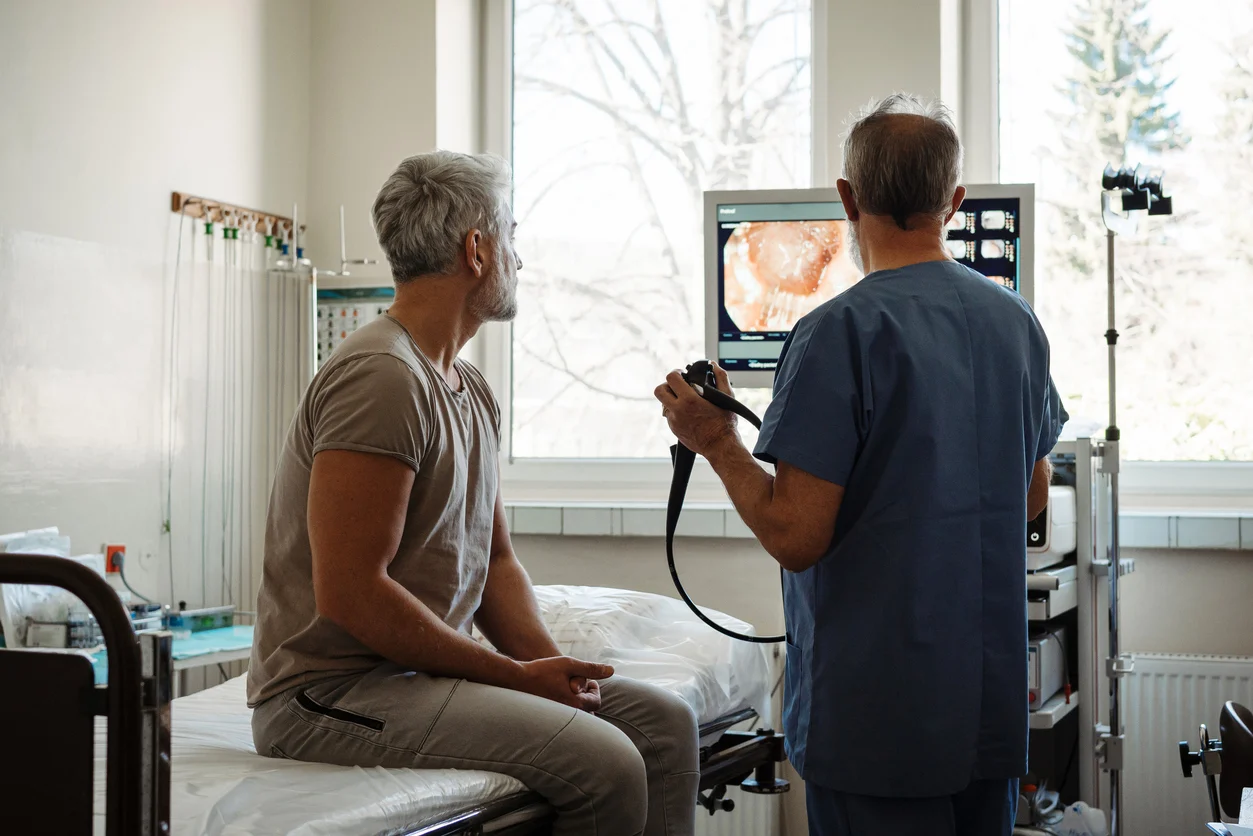
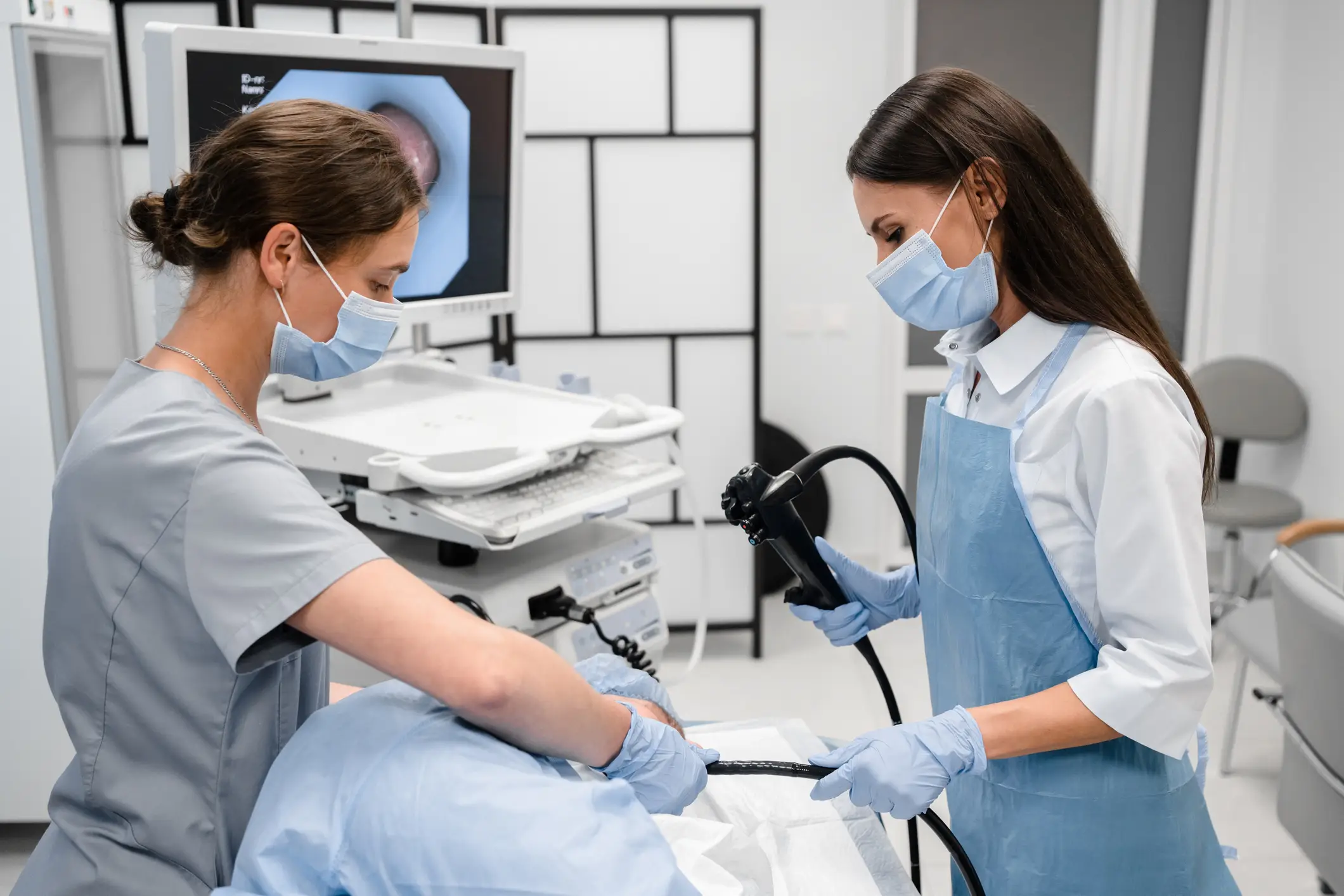
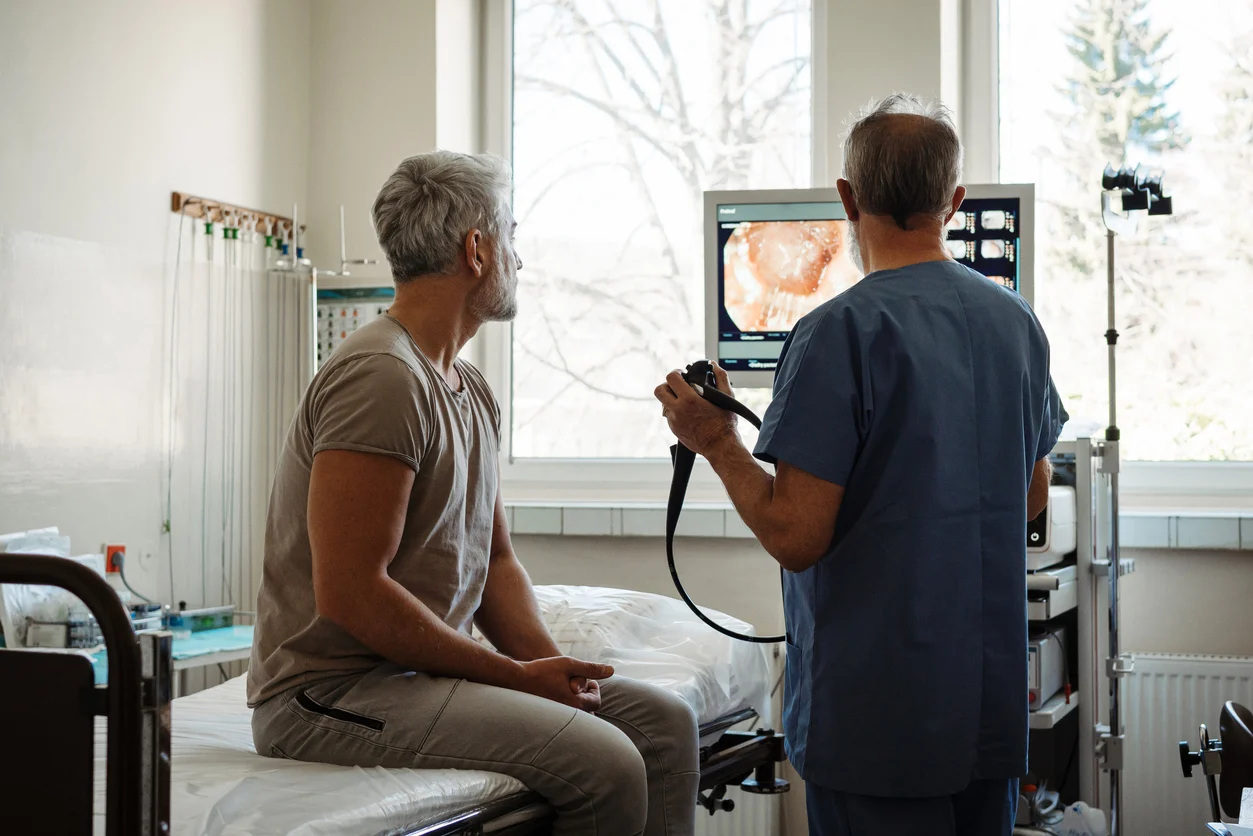
When you get to your appointment, you’ll probably be sedated so you’re kept as relaxed and comfortable as possible through the exam. The doctor carefully moves the colonoscope through the rectum and into the colon. En route, the camera relays live video to a monitor so that the doctor can scrutinize the lining of your colon. If they see any polyps, they can often take them out right then and there. If they see something suspicious, they may take a biopsy to test it.
Why is this such a potent tool for prevention?
It’s not just about finding problems — it’s about preventing them. A lot of colon cancers start out as small polyps, which are small growths in the lining of the colon. The great majority of polyps do not cause a problem initially, but over the years, some can become cancerous. When these are removed early in a colonoscopy, the cancer never has a chance to develop. Which is why screening is so important — especially once you hit your mid-40s or if your family has a history of colorectal issues.
What actually are those symptoms, and what might that move a doctor to recommend one?
If you are experiencing things such as unexplained weight loss, blood in your stool, ongoing abdominal pain or ongoing changes in your bowel habits, doctors may recommend a colonoscopy. These symptoms can indicate something as mild as irritation — or something more severe that warrants a trip to your colonoscopy doctor near me. With a colonoscopy, doctors see exactly what’s there and don’t have to guess what the problem is.
What if something is discovered?
If your exam reveals a polyp, the doctor will usually remove it then and there. Then the tissue is submitted to a lab to determine whether it is benign, precancerous or cancerous. If something more troublesome arises, the next steps could include further exams, imaging or consultation with a specialist. But take a deep breath: If you do catch things early, you’ll have a long list of treatment options, which is more than you can say for when symptoms become severe.
Is the prep as terrible as everyone says?
Ah yes—the colon prep. This part of the colonoscopy is the part that tends to have a bad rap. You will be instructed to follow a clear liquid diet the day before, as well as to drink a special solution to help empty your colon. Yes, it’s not fun. But it’s necessary. A doctor can see better with a clean colon, so the exam is more accurate. And honestly, it’s one day of awkwardness in return for years of peace of mind.
How often do you need a colonoscopy?
If your initial exam is normal and you have no high-risk factors, most of us only have to repeat a colonoscopy once every 10 years. If polyps are discovered, or if you have a personal or family history of colon cancer, you may be screened more frequently. It all comes down to your specific health and what they discover during your exam. To prevent colorectal disease, one of the easiest things you can do for yourself is to stick to your recommended schedule.
Is there anything else I should know before I book?
One blessing of colonoscopy as it exists today is that it is quick, potent and typically covered by insurance if your age qualifies you to be screened. The sedation helps keep you relaxed, and the whole thing is often over in less than an hour. And besides, many find the procedure itself is a cakewalk compared to the preparation. If you’re nervous, speak with your doctor — he or she can explain the procedure and help set your mind at ease (more on that in a moment), as it’s nowhere near as scary as it sounds.

Conclusion
A colonoscopy may not be the most fun appointment on your calendar, but it’s one of the most important screenings you can have. It lets colonoscopy doctor prep examine the inside of your colon, wards off cancer before it starts and provides peace of mind when you’re struggling with digestive symptoms. Whether you’re getting screened for the first time or managing a medical condition, knowing about the test — and who performs it — can make the experience smoother, safer, and a whole lot less scary.