How to Find the Right Colonoscopy Doctor
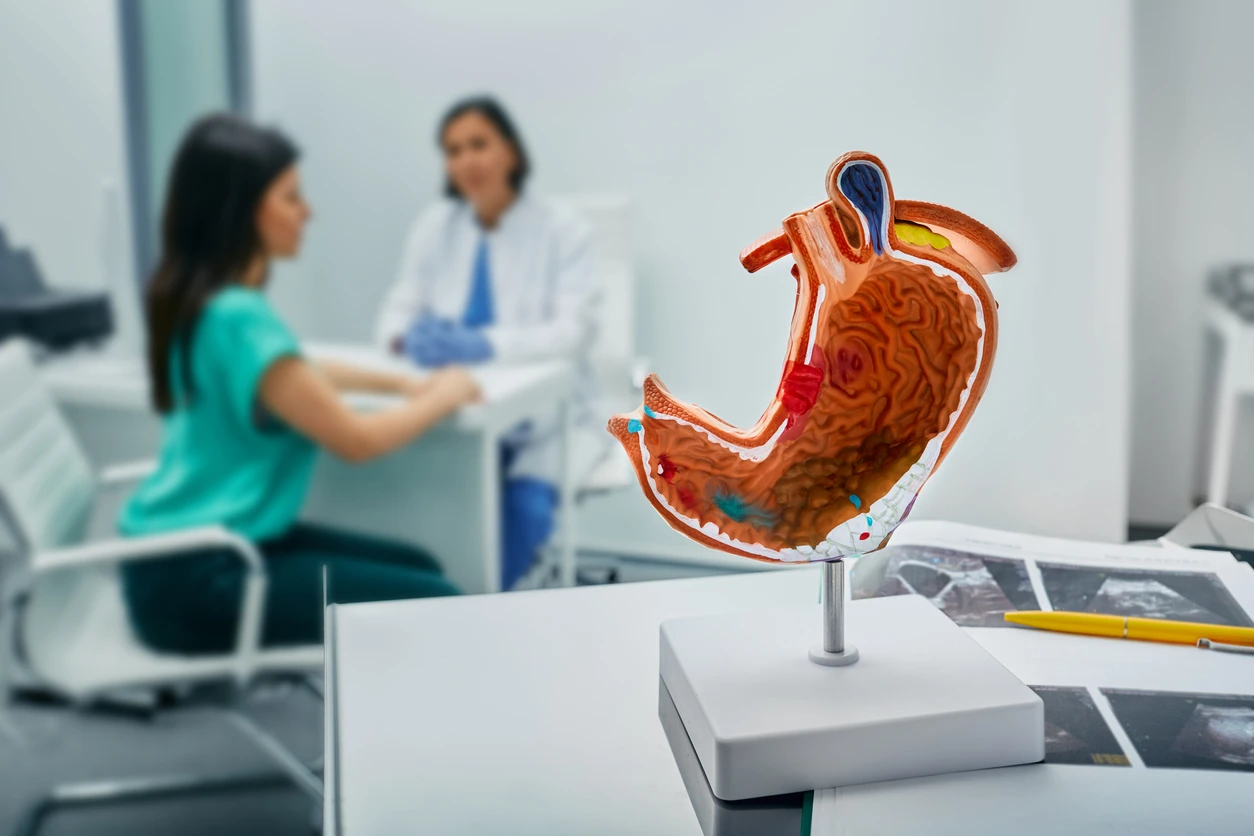
Get the right colonoscopy doctor in Los Angeles? Good colorectal specialists can make all the difference in helping to keep your digestive health in check. Choosing an experienced colonoscopy specialist can make it easier for you. Whether you are scheduled for your first screening, starting with a concerning symptom, or coming back as part of your digestive routine because you need to follow up after having an earlier colonoscopy, then you will also find an experienced colorectal checkup can cut down on anxiety. Nervous, embarrassed, or scared of starting, many people postpone colonoscopies.
But there is no wonder modern colonoscopy does such wonders. You can even be helped along the way even before you find out, since a colonoscopy procedure is now routine, highly effective, and sometimes life-saving if you catch it early. Knowing what to watch for in a colonoscopy doctor can help your care and allow you at a minimum to be confident about what’s going on and help you to see the high-quality treatment from start to finish.
As a colonoscopy doctor, what does he do?
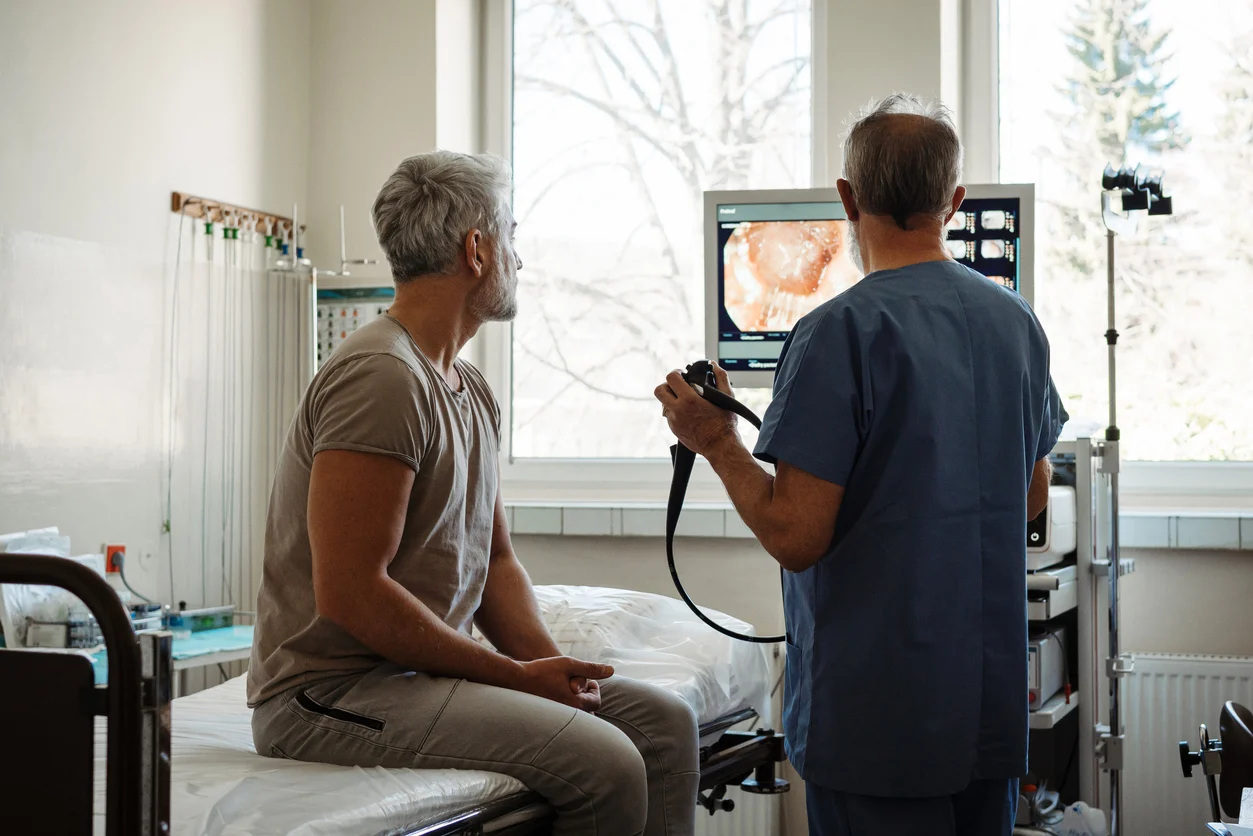
A colonoscopy Beverly Hills doctor usually is a gastroenterologist or colorectal specialist trained to examine the internal wall of your digestive system by using a small flexible camera called a colonoscope. During a colonoscopy in Beverly Hills, the doctor may identify abnormalities such as colon polyps, inflammation, bleeding, ulcers, or signs resembling colorectal cancer. But sometimes polyps can be removed during the procedure before they become cancerous. Colonoscopies are generally undertaken for preventive screening purposes; they can also be performed for patients who have symptoms of rectal bleeding, chronic abdominal pain, changes in bowel habits, unexplained weight loss, or persistent gastrointestinal problems.
The Importance of the Right Doctor
Not all colonoscopy encounters are created equal. Depending on the doctor delivering the procedure, patient comfort and accuracy can be influenced by both skill and experience. A seasoned colonoscopy physician is much more likely to see small polyps, detect early disease markers, and be able to safely perform the right therapeutic operations when appropriate. Screening studies have shown that good quality screening can help in the early detection rates for colorectal cancer. Patients also appreciate having a doctor who communicates clearly, discusses findings extensively, and provides comfort prior to and immediately after the procedure. There’s a great deal less anxiety for a lot of people about the procedure when they feel they are in hands of people they can talk to and are very compassionate.

Seek a Board-Certified Expert
One of the first checklists to ask when you are looking for a colonoscopy doctor is board certification. Gastroenterologists and colorectal surgeons are trained to treat digestive disorders, which affect the gastrointestinal system to help keep the gut healthy. For the physician to be board-certified is to have undergone high levels of educational, professional training and testing in their specialty. It proves continuing professional quality and education of medical personnel. A more experienced colorectal surgeon may also have developed more sophisticated procedural skills and higher detection rates of colonoscopy findings. That means that experience matters with colonoscopy doctor Los Angeles screenings.
Doctors who regularly perform colonoscopies are often more adept at finding abnormalities and working through complex cases quickly. Patients with a family history of colon cancer, inflammatory bowel disease, previous polyps, or gastrointestinal symptoms may particularly benefit from an advanced-level physician visit. You can frequently ask how many colonoscopies a doctor does yearly and whether they regularly treat advanced polyp removal or high-risk screenings.
Read Reviews, and Patient Feedback
Patient reviews might offer useful descriptions of a colonoscopy doctor and their office staff. No physician is going to get glowing feedback, but positive feedback regularly regarding professionalism, communication, scheduling, bedside manner, and comfort of procedure can be reassuring. Patients often mention whether the doctor explained the preparation process in particular and whether the procedure was efficient and organized. Other reading reviews might point out clinics with shorter wait times, responsive staff, and smoother insurance coordination.
Think about the Facility and Technology
Quality of the medical facility is as important as the physician. Colonoscopies are often done in an outpatient surgery center, endoscopy center, or a hospital. Modern facilities with updated technology should enhance patient comfort and diagnostic precision. Doctors can also use modern imaging devices to see if tiny, flatter polyps remain, which would otherwise have not been detected by doctors. Cleanliness, good standards of care, accreditation, and support for anesthesia may also be key considerations when deciding where your procedure will take place.
Ask About Sedation Options
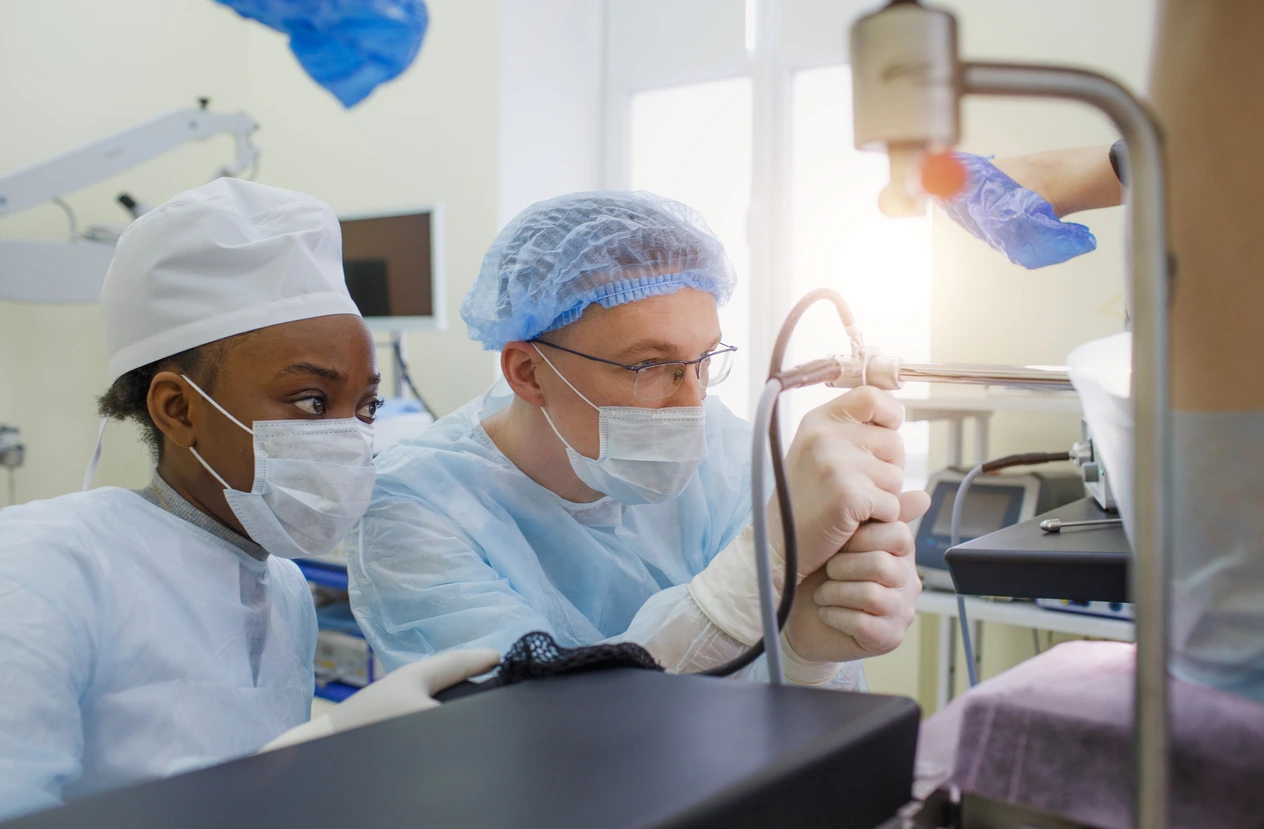
Most patients feel anxious about colonoscopies because they may be painful, but at present, most procedures are carried out under sedation. Patients, who are usually relaxed or asleep during the exam, recall very little after the exam. Various sedation methods may be provided by various facilities, such as light sedation or deeper anesthesia by an anesthesiology team. Talking about how sedation works before a colonoscopy can lead to less anxiety and feeling more at ease.
Insurance Coverage And Accessibility Matter
Check whether the doctor and place accept your insurance plan before performing a colonoscopy Beverly Hills. Preventive colonoscopy screenings are often insured, particularly for adults with recommended ages at which to undergo them, although this may vary in terms of coverage information. And accessibility is another factor to keep in mind. Choosing a convenient office (furniture suitable for flexible scheduling also provides a convenient environment to set up and prepare for appointments.) Others such procedures can also speed up appointment availability, and if you have worrying symptoms, then this might be quite important.
When should you begin looking for a colonoscopy doctor?
Adults start screening for colorectal cancer around age 45 when they first begin screening their colon cancer, but some might need them earlier because their families have histories of the disease and some have past medical problems. Seek a colonoscopy doctor if you are experiencing symptoms like rectal bleeding, pain of constipation or diarrhea, unexplained abdomen pain, anemia or unexplained weight loss. Early investigation can be used to identify potentially dangerous conditions before they become more serious.
Questions to Ask Before Appointment
Before you book your appointment, ask questions about the doctor’s experience, when the doctor is coming for the procedure, how the procedure is going to be prepared, how sedated the patient will be, if they expect to recover, and what to be expected about follow up communication, he or she said. And some patients are asked how long it normally takes to have that procedure, and when they will be informed about the results. If they feel they know what to expect beforehand, it can be a far less scary experience. What to expect from a colonoscopy.
Patients finish a bowel preparation that cleans the colon well before the procedure. Though the prep is often touted as the least enjoyable part of the procedure, it is essential in giving the doctor a clear view of the colon lining. The physician guides the scope through the colon through the colonoscopy itself, probing for abnormalities. The procedure typically unfolds in less than an hour. Most patients recover quickly afterward, returning home the same day, although someone else will typically have to drive them home due to sedation.
Colonoscopies Can Save Lives
Colon cancer is one of the most preventable cancer types when early detection can help avoid it. Colonoscopies permit doctors to spot precancerous polyps and extract them before they become cancerous. This has made screening one of the most potent tools to help minimize the risk of colorectal cancer. The task of finding a trusted colonoscopy doctor is much more than performing a routine test; That is not just routine-care but important for long-term health and for peace of mind. Because this is about taking a leap in the right direction.
Conclusion
Finding an appropriate colonoscopy doctor can actually change your experience and the quality of your life for the better. An experienced doctor with years of experience can catch problems early and also ensure that you have a better choice between treatment questions answered. And the screening process is significantly smooth. Schedule a colonoscopy with a competent provider for whether you are due for routine screening or you are experiencing digestive symptoms, one of the top decisions that you can make regarding your gut health. Detection is life-saving, too, but finding the right doctor is often the first step toward safeguarding your future health.