Is it OK to Work Out After a Colonoscopy?
Colorectal cancer is among the most preventable forms of cancer, because a colonoscopy that can catch the disease in its earliest stages also screens for other illnesses in the digestive system. And for others, the prep before the colonoscopies Los Angeles can seem like an intrusion on their life. One of the most popular questions people wonder about a colonoscopy is can you exercise after a colonoscopy. It’s clear that we all need to be living healthy and working out but there are certain aspects that won’t come easily – e.g when can you next hit the gym or what types of exercises can you perform afterwards.
What Happens During a Colonoscopy?
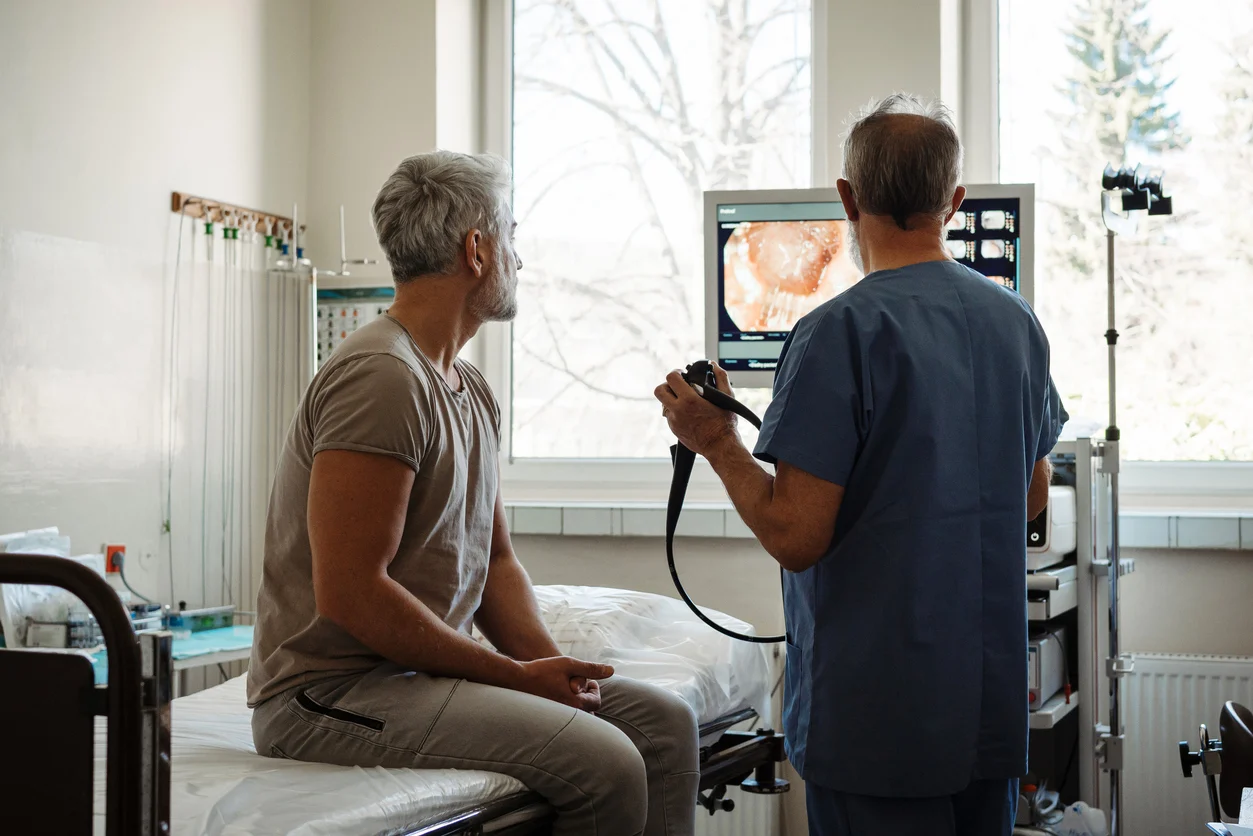
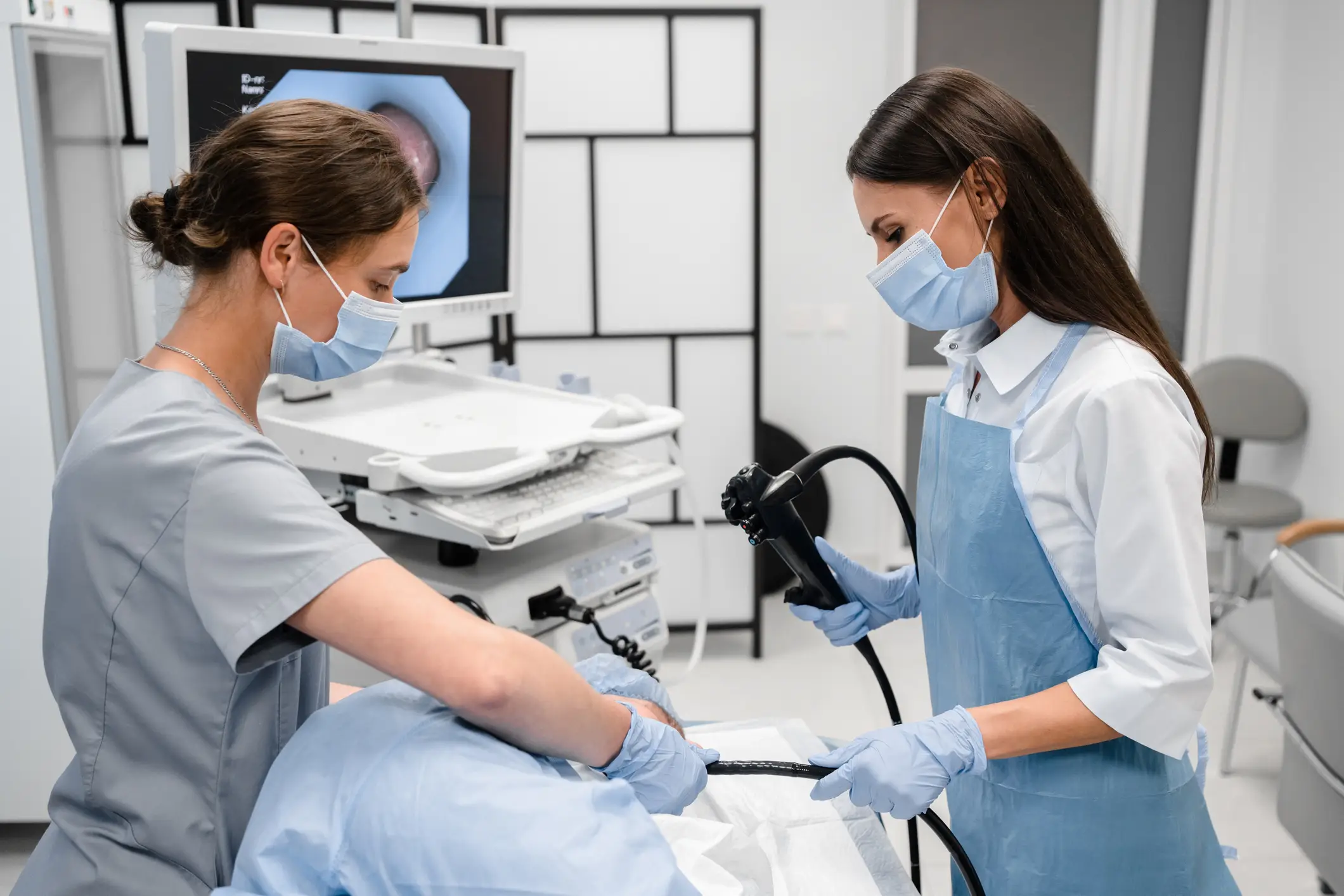
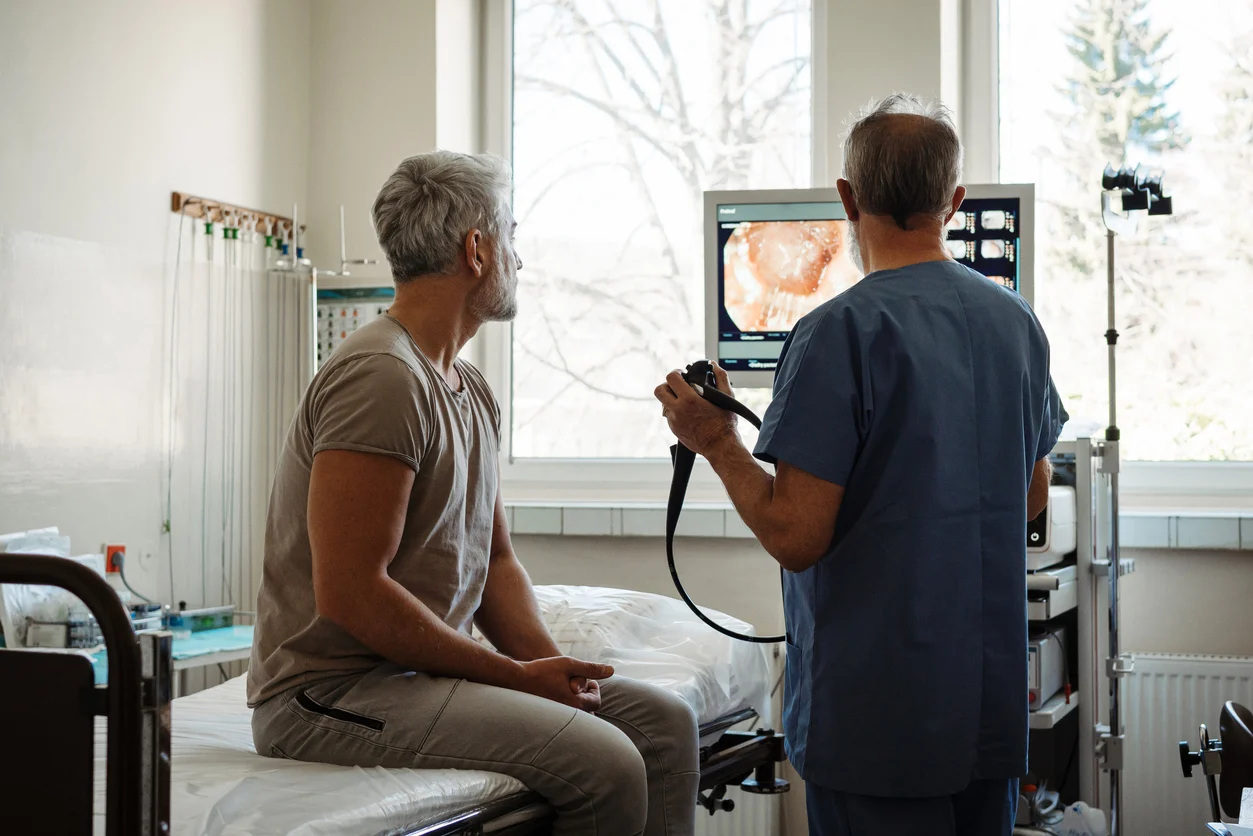
This is when a doctor looks inside your colon with a long, bendy tube called a scope with a camera on the endicle. The vast majority of patients are sedated so that everything is as simple and comfortable as can be, and air is pumped into the colon so that it looks pretty. In addition to the sedation, it could be that you wake up post surgery feeling a little groggy or off. You may indeed be smart enough to figure out how all of that works and why even though your head can fathom the tolerance you have left for exercise in this, it might start to become clearer just exactly how exercised should be a slow walk.
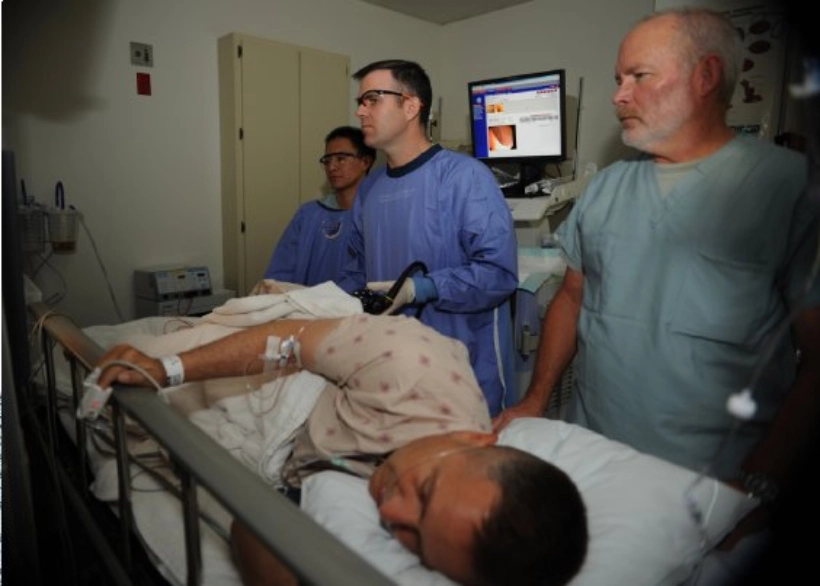
What to Expect After a Colonoscopy: Reaching the Body’s Normal Function After a Colonoscopy
Most people heal very quickly after a colonoscopy, so when you start exercising again the time frame depends on how you feel, whether you were sedated and whether your colonoscopy doctor removed any polyps or took biopsies during the procedure. These are the predictable timelines:
You will probably feel groggy, sleepy, or slightly unsteady from the sedation used during your procedure. Mild bloating, cramping and gas are also common due to air influx into the colon during the exam. This is not a time for running — but for rest. Rehydrate well, eat easy meals, and let the sedatives pass completely.
The First 24 Hours
In most patients, doctors of colonoscopy advise against strenuous physical activity on the first day after a colonoscopy. This includes running, weight lifting, high-intensity interval training (HIIT), cycling, and sports. Light exercise, such as short walks around the house or light stretching, is typically safe and may even help with bloating and gas discomfort.
24-48 Hours Post Procedure
Most individuals can gradually resume their regular exercise routine after 24 hours if they are feeling well and have had no complications. At this stage, moderate activities like walking, yoga, easy cycling, or light strength training are often warranted. But listen to your body — tiredness, dehydration or lingering abdominal discomfort are signs you might need more recovery time.
48 Hours and Beyond
It’s not uncommon for healthy adults to be able to resume their regular workouts: running, weight training and high-intensity exercise within 48 hours of a routine colonoscopy. At this stage, your hydration level, energy stores and digestive tract will typically return to normal.
If You Had a Polyp Removed
Your recovery might take longer if your gastroenterologist took out a polyp during your colonoscopy. Depending on the size and number of polyps you’ve had removed, your doctor may suggest you avoid heavy lifting, vigorous exercise or abdominal straining for several days to up to two weeks to reduce the risk of delayed bleeding. Remember to follow your healthcare team’s steps on specific instructions.
When to Call Your Doctor
Contact your doctor before returning to exercise if you feel extreme abdominal pain, heavy rectal bleeding, dizziness, fever, worse bloating or persistent weakness following your procedure. These symptoms are rare, but need to be evaluated medically.
Can I exercise after a colonoscopy?
You aren’t supposed to work out after a colonoscopy. It might be a while until the sedation has worn off, and you might still feel groggy or even slightly spaced out for several hours. Push yourself beyond your comfort zone too quickly here and you risk getting woozy, dehydrated or even keeling over. Instead, doctors typically advise you to rest for at least a day after treatment. As you sleep your body sheds itself of the anesthetics and your empty stomach slowly starts to internalize its function for food.
When Can You Exercise Again?
Most people can return to normal activities the day after having a colonoscopy. “When you’re fully awake, light activity like walking or stretching to complement your colonoscopy recovery in LA is A-OK.” Tougher exercise tasks, such as jogging, weight-lifting or high-intensity workouts should generally wait about 48 hours to restart — unless a doctor has advised otherwise. Everyone is different, so listen to your provider and your body before getting back into the swing with exercise.
What’s the Best Workout to do After a Colonscopy?
The initial workouts in the wake of a colonoscopy should be mild, repetitive exercise. It doesn’t necessarily have to be complicated when you put together the ultimate exercise routine, in fact, one could argue that it shouldn’t. If you set too ambitious a plan for yourself, one which is just too tough when you’re starting out fitness-wise, there’s a far higher likelihood that you’ll fall by the wayside. Walking is one of the best ways to get moving but not in a way that stresses your body out as you tentatively step up your efforts toward low-impact activities like yoga, casual biking or gentle stretching. But when you do get your energy back, you can gently start to ease back in to heavier workouts. Try not to lift, tow or push anything too heavy for the first several days after treatment, and try to avoid vigorous exercise altogether—especially if you had biopsies done.
After the Procedure: Then What?
Therefore, while you may feel acceptable now after your procedure, it does not necessarily mean your body is functioning as it should. You may still be a bit groggy from the sedation, and your gastrointestinal system may be a bit achy because of the bowel prep. Some patients experience mild cramping and bloating following the test. Take a break and your body springs back up, less that extra stress. After that point, when you feel gone enough that it’s like maybe O.K. just to lie in bed one day or two and peek through the hole in your pants, then your body gets the chance to come back even stronger than before exercising.
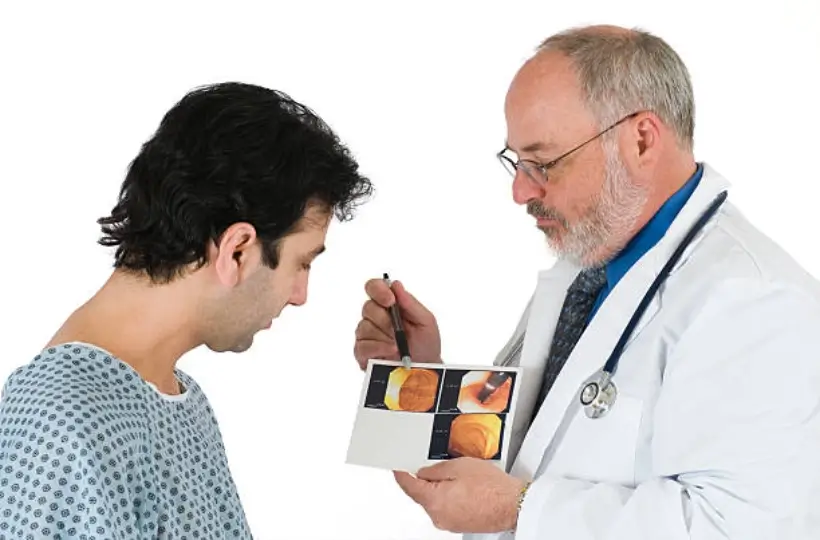
When to Call Your Doctor
For the most part, people recover very quickly from a colonoscopy, though if you’ve had any anesthesia, it’s best to take it easy for the rest of the day. Call your doctor right away if you have severe abdominal pain, ongoing bleeding or discharge, fever or dizziness that doesn’t go away when lying down. There is little about the signs that poses contraindications for activity, but these are what should be heeded before re-engaging life as usual. If a polyp or other tissue was removed, or biopsies were taken, you may have specific per-exercise restrictions.
Conclusion
Can you exercise after a colonoscopy? It’s not bad, but timing is crucial. (For many patients, the return to very light activity can be within 24 hours and gradually increasing to a more normal workout in rounds over days.) The simplest method to begin and stay on track so you don’t return to your old habits is to listen to your body, listen to the doctor, and just go. If you are uncertain as to when to go “back to normal” or when you can go back to your exercise program, you are welcome to ask your Los Angeles gastroenterologist.