Why Now Is the Right Time to Schedule a Colonoscopy

With New Year’s in sight, many are starting to think about preventive health. Health goals recentered and routines altered, insurance benefits reset and health returns to the forefront after a busy season and we get back to working out! One screening that’s often forgotten about — and, in most cases, should not be postponed — is colonoscopy Los Angeles. That’s easy to postpone for the convenience of a busier schedule or uncertainty about the procedure, but really, this is a best time to make your priorities more immediate, before the patient reveals symptoms, once prevention is a top priority.
Colonoscopy Is For Prevention, Not Detection
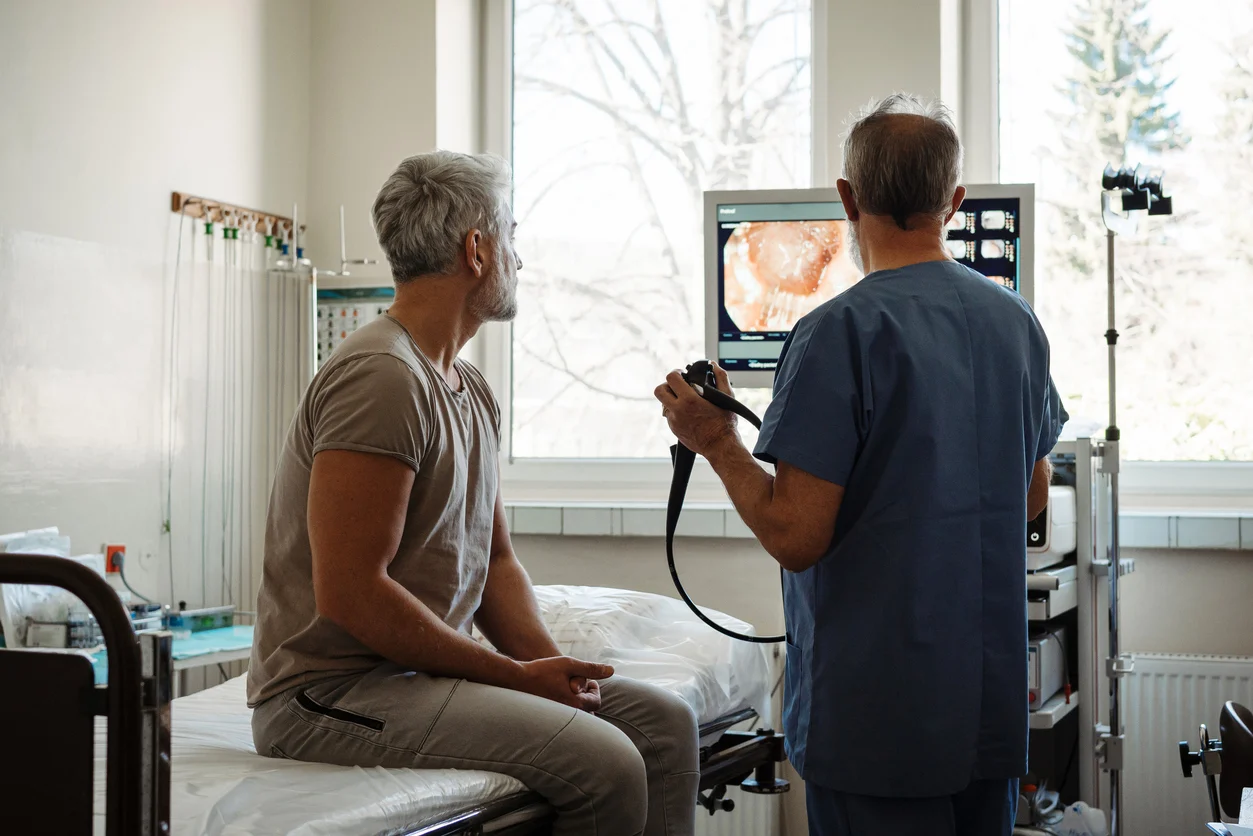
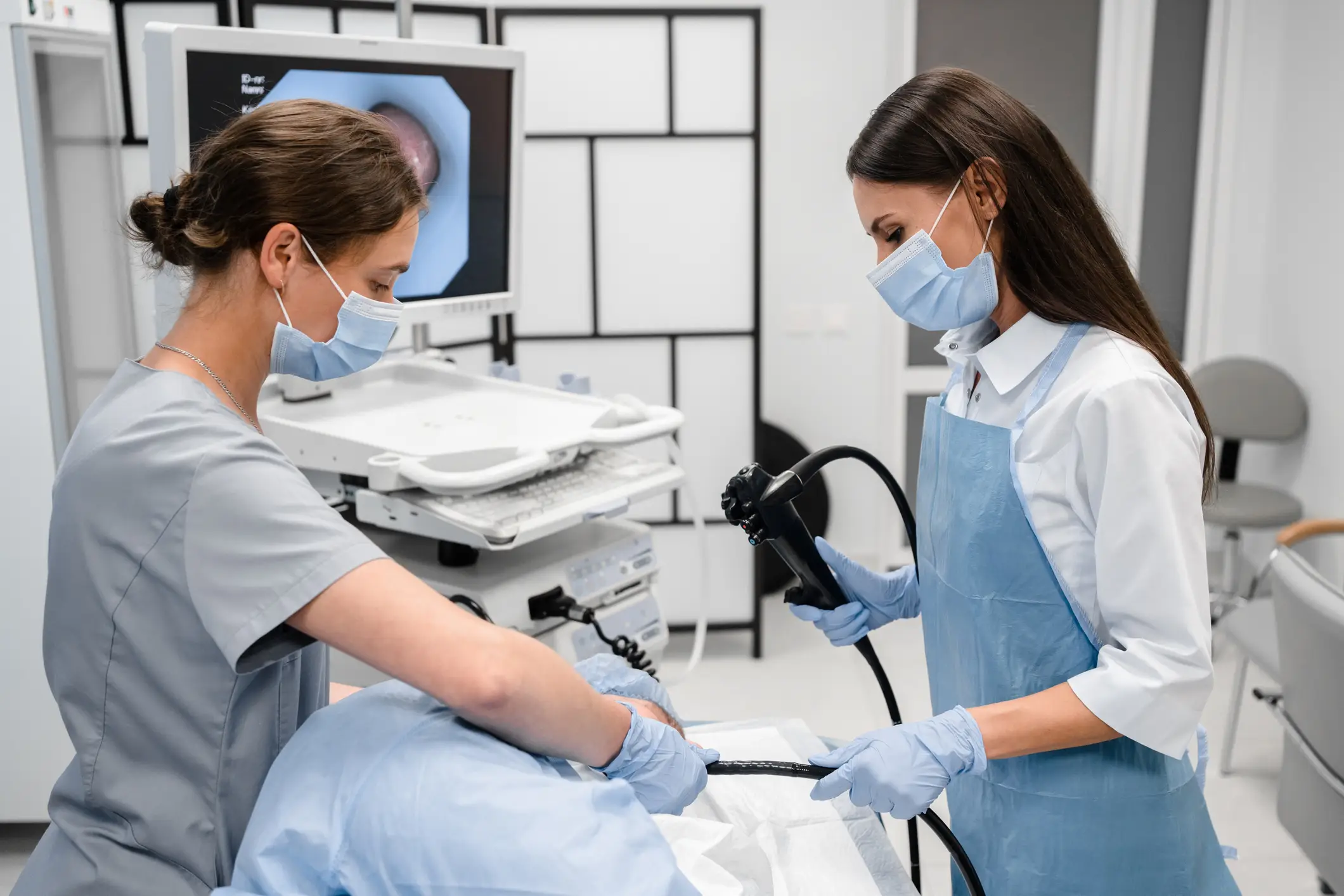
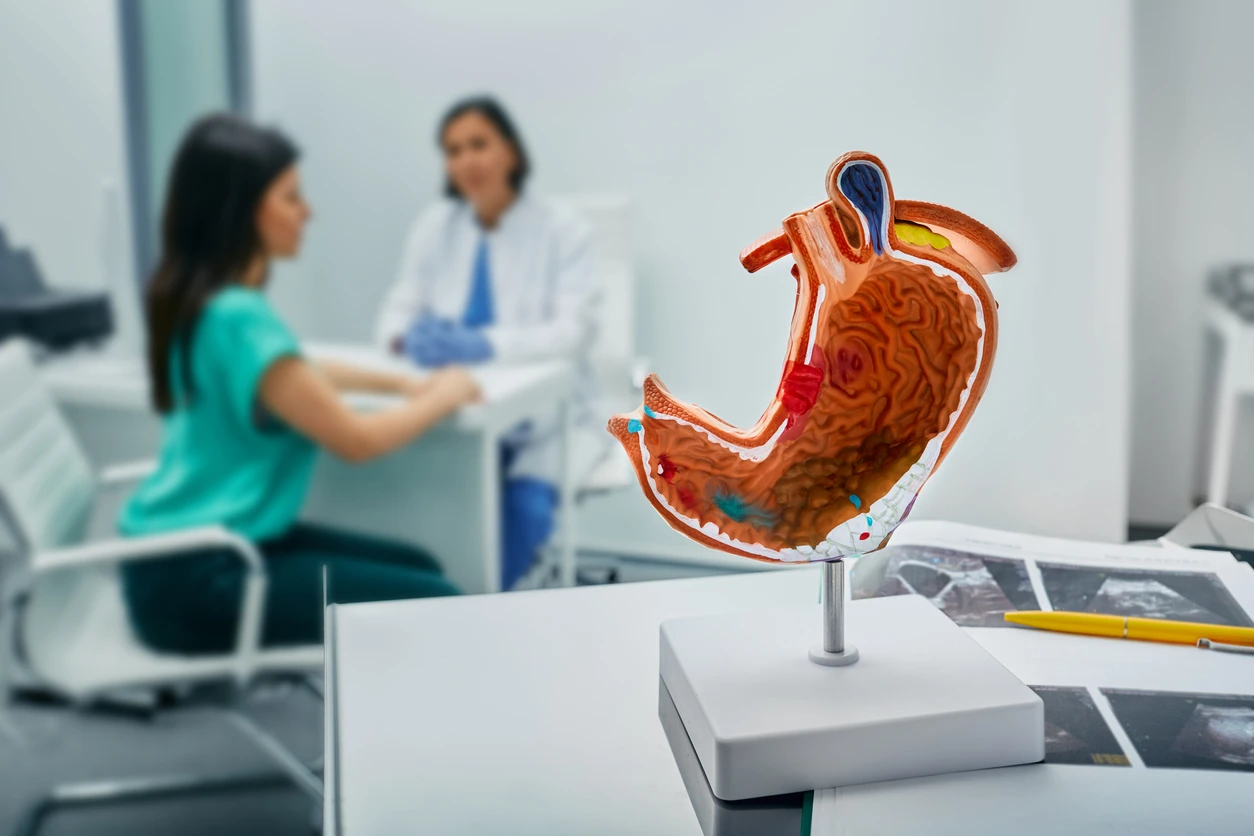
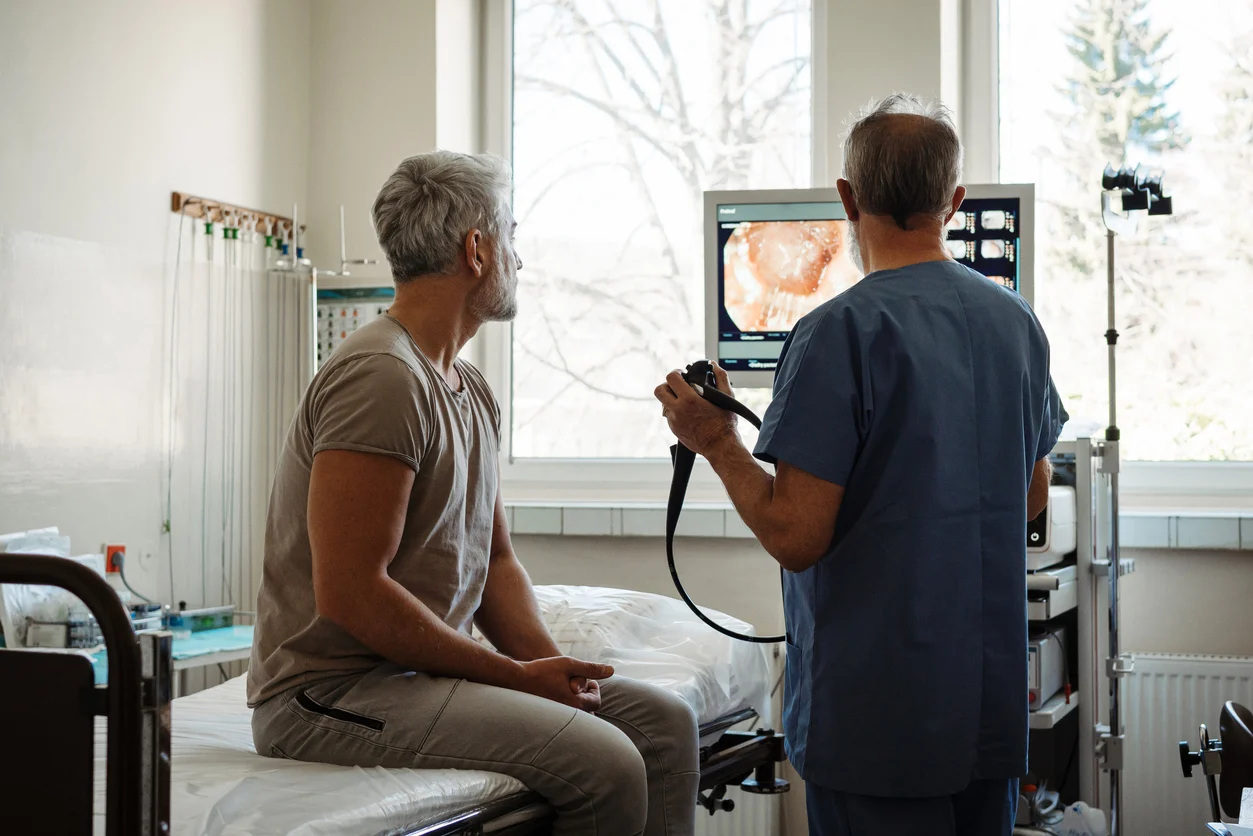
Colonoscopy allows a doctor to use a tiny, flexible camera to look through the entire colon and rectum. Best advantage of the procedure, though, isn’t merely to find cancer. And not only does it help avert it. Precancerous polyps in a Los Angeles colonoscopy are caught and disposed of at an early stage and, thus, colon cancer is preempted before it can form. Preventive screening is even more important long before the cancer does spread, since colorectal cancer may grow stealthily from the very beginning of its life.
Why Timing Matters
There are real-life reasons why this season is an especially good time of year to get a colonoscopy. Many insurance plans renew preventive care benefits at the start of the year, helping to the ease of screening. Now the majority of new guidelines recommend starting to get colorectal cancer screening at 45 and many adults are newly eligible. Early scheduling, and it could mean appointments don’t get missed later in the year when they could be harder to find. Actions you take now mean screening will happen on your terms and not respond to a set of symptoms.
Who Should Consider a Colonoscopy?
Even in the absence of symptoms, colonoscopy would be recommended for adults starting at 45 years. People with family history of colorectal cancer or colon polyps, personal history of inflammatory bowel disease or abnormal history of a prior test may need earlier or more frequent examination. It is also important for anyone to assess for ongoing symptoms – such as rectal bleeding, unexplained anemia, alterations in bowel habits, abdominal pain, or unexplained weight loss, and any other symptoms regardless of age.
What You Will Learn From Modern Colonoscopy Preparation
Colonoscopy prep is what patients worry about most, but preparation for today’s colonoscopies has gotten a long way. Preparation usually includes a brief period of dietary modification followed by clear fluids on the day before the procedure and a suggested bowel cleaning solution. Many providers now use split-dose preparation because of this type of testing’s comfort and the accuracy of the view it provides. It is possible to follow advice, feasible and predictable. What occurs during the procedure. The colonoscopy procedures themselves can last for 30 to 45 minutes.
Patients are placed into sedation and/or anesthesia to make sure they are comfortable, the doctor examines the lining of the colon carefully. In cases polyps are found, they may often be lifted immediately, and they might have little bits of tissue collected for further analysis. Most patients remember the procedure little, and after the procedure are hardly symptomatic of pain.
Recovery and Aftercare
A colonoscopy tends to have a rapid recovery, too. Patients return home the same day and might experience slight bloating or gas that vanishes in just seconds. Ordinary activities normally begin within 24 hours. Findings may be announced within days of the procedure and can be accessible, in a small matter, by a biopsy within a few days after the specimen is pulled.
How Often is Colonoscopy Required?
It is advised to make these investigations every 10 years in cases of normal risk with normal findings. In case polyps are detected or other risk factors identified, follow-up inspection may be suggested. Screening one’s colon cancer for colorectal cancer regularly across a period of time is one of the best ways that it has the potential to reduce one’s risk.
Addressing Common Concerns
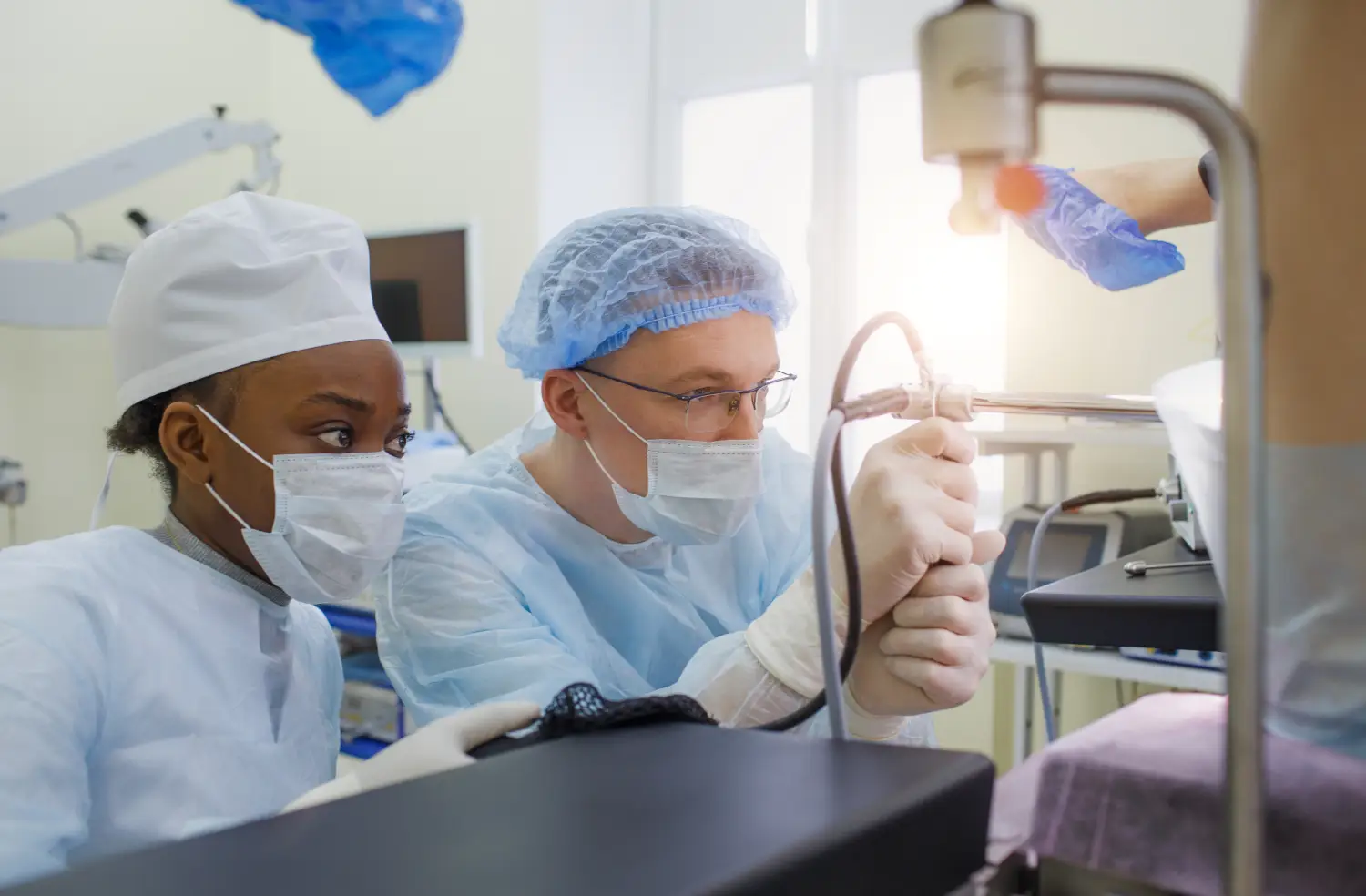
Colonoscopy can wriggle a patient toward anxiety, too — but in most patients that is far less of an anxiety-provoking experience than what one would expect. Advances in sedation, treatment strategies, techniques of preparation, and patient-oriented care have made colonoscopy a routine procedure with considerable preventive benefits. The immediate disruption has been more than made up for by the confidence and relief you get in security and comfort long-term.
Conclusion
Colonoscopy is more than a screening — it is an opportunity to regain control before the issues get worse. Scheduling early eases concerns, supports longer-term well-being, and is consistent with preventive and therapeutic thinking. And if colonoscopy has already landed on the top of your to-do list, now is the time — but not the last day — to turn it from wishful thinking into a plan.