Colon Cancer Awareness Month: Why Awareness Can Save Your Life

Colon Cancer Awareness Month every March is more than a date on your calendar; it is a reminder this cancer is one of the most preventable and curable cancers, with thousands of patients still afflicted each year. In order to achieve this, colon cancer typically does not cause any outward symptoms from the time it begins to develop, and education and early detection of the disease are imperative. Knowing your risk factors, what notifications it sends and where to find a colonoscopy doctor Los Angeles can make quite an impact in life.
Just Why Is Colon Cancer Awareness Month Important?
Colon cancer is one of the deadliest cancers and a preventable form of the illness. The aim is to bridge that divide, to promote early screening and habits. And if colon cancer is detected early, it greatly increases the chances of survival — sometimes over 90 percent. “The majority of people have this issue with screening and they delay getting screened because they’re afraid or because they don’t mean it, or they’re not feeling seen or they don’t have any symptoms,” the report continues. Colon Cancer Awareness Month will aim to get that reversed. “It begins to raise awareness and elevate the issue, normalizing screening and showing that what some call preventive treatment methods are not only possible, they can actually be very successful.” Healthcare workers can raise awareness to help prevent late stage diagnoses leading to superior outcomes for all ages.
What Are The Early Signs Of Colon Cancer?
But an insidious aspect of early symptoms of colon cancer is one of the most deadly sides of the disease. It’s a reminder that only very few people are going to show anything of note at all until the disease reaches an advanced stage of infection. But there are warning signs to observe. Abnormal bowel habits, chronic diarrhea or constipation could be the first sign. Blood in the stool, which could be bright red or dark, is a major red flag. Others have abdominal pain — cramping, gas, chronic pain that stays in place. Others are experiencing unexplained weight loss and/or persistent fatigue, often secondary to internal bleeding and anemia. Because these symptoms can appear benign compared to more severe digestive complaints, few people will even entertain such thoughts. Colon Cancer Awareness Month will be for you to have a reminder that any change for long term, must take place through a health official’s assessment.

Who Is Most at Risk for Colon Cancer?
Colon cancer experiences differ for everyone, however, in different ways. For decades it’s long been associated with older people. New evidence suggests that a worrying trend in diagnoses among younger populations has emerged with a rising tide of younger people. This shift brought forth fresh guidelines for screening, and many screening guidelines now recommend screening at age 45. Risk factors can include a family history of colorectal cancer or polyps, some genetic conditions and inflammatory bowel diseases like Crohn’s disease or ulcerative colitis. Lifestyle is a big factor as well. There are also risk factors, such as diets high in processed meats, sedentary lifestyles, smoking and heavy alcohol use. That’d be an area where people could work up an educated health decision. Colon Cancer Awareness Month is a great reminder that risk is never fixed but there is lifestyle change to help reduce it. How Colon cancer may be prevented using screening
Colon cancer is best prevented by screening at a preventative rate. In contrast to many cancers, which can develop into one large neoplasm, colorectal cancer typically starts as small benign colonies known as polyps. Over time, the polyps may grow into cancer. But screening tests, such as colonoscopies, can be used to see these polyps and eliminate them before they develop cancers. A colonoscopy Beverly Hils is the gold standard for a doctor to diagnose a disease in the same procedure he uses to treat the disease. Stool-based tests — or stool tests — can be pretty similar in some populations. The answer is to get screened, not to choose a test. As a result most patients refuse colonoscopy doctor Los Angeles out of fear or pain or discomfort but with the progression of sedation and preparedness, the procedure is easier than it used to be.
Are Lifestyle Changes Helpful For Reducing Your Risk?
Prevention is lifestyle-oriented, but screening, too, is fundamental to that. In prevention, the most critical factor is diet. A diet rich in fruits and vegetables with lots of whole grains and lean protein could help lower your risk for colon cancer, with fiber aiding the digestion of your food — and perhaps even preventing polyps, of any kind, from multiplying as well. Exercise for your health – another key factor. Exercise does wonders for weight management, inflammation control, and gut health. Even moderate activity — just the regular, everyday variety, like a walk a few times a week — helps. Likewise, the reduction of total alcohol use and smoking is also very important. Both are linked to increased risk for both colorectal cancer and other chronic diseases. Colon Cancer Awareness Month also helps raise awareness about how important preventive care is and encourages people to think more holistically about prevention as part of a larger positive impact that can make a meaningful contribution to one’s life long term.
Why Are Younger Young Adult Populations Expanding More Affected?
A shocking thing with me over the past couple of years is increasing incidence of colorectal cancer in those younger than 50. At least some scientists are still speculating as to what exactly caused the condition, although several theories suggest diet, sedentary lifestyle and changes in the gut microbiome were implicated. That aspect should serve as a reminder that age alone should not lead to the neglect of symptoms. Younger people are also less likely to turn to medical advice, or to be referred for screening — something that ultimately means younger people tend to be diagnosed less quickly. Colon Cancer Awareness Month is a month that will encourage people to challenge what they once believed to be true and be awake and vigilant at every age.
What to Look for in a Colonoscopy?
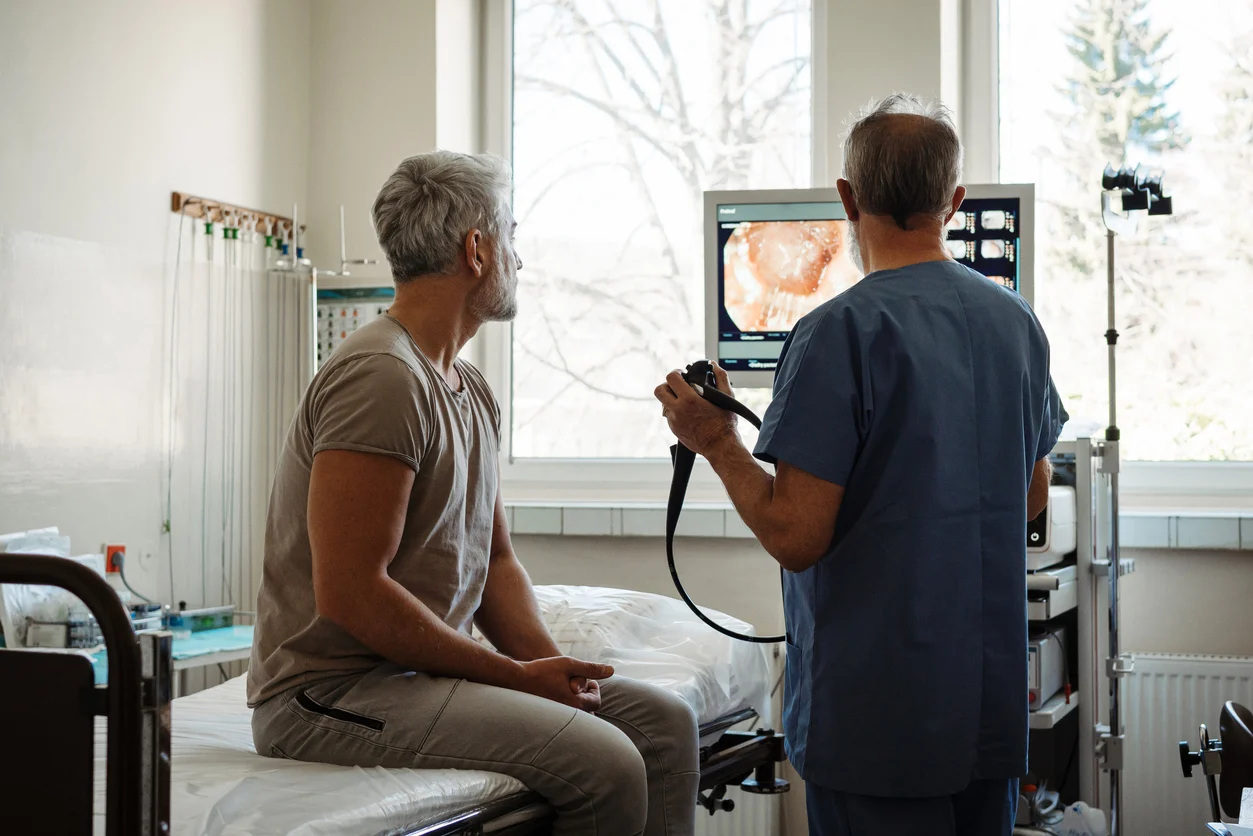
Also, a colonoscopy in Beverly Hills is very terrifying for so many people. But knowing about this kind of procedure reduces anxiety quite a bit in some ways. Normally the procedure starts with a preliminary process, to ensure that the colon is cleansed by a method described beforehand. It’s, however, the most inconvenient step of all but actually of great importance in ensuring accurate reporting. And it happened to be, for the most part, sedated (meaning a lot of patients were comfortable but often had no idea they were having something done). A flexible tube with a camera that mounts to the colon is examined for polyps, which can then be discovered by the physician, removed and put behind him. The period of most of the procedure is less than an hour, and most people return to normal the following day. During Colon Cancer Awareness Month, the inconvenience of screening should be made to feel more bearable with the serious risk of cancer-associated mortality.
How Can You Act This Month?
You can do that straightforwardly, too, during Colon Cancer Awareness Month. The best move you can make is to get a screening, especially if you are 45 or older and have risk factors, because screening can only increase your chances of survival. If you do not qualify for screening, it is equally important to educate yourself and others. Discussing your medical history with relatives also adds perspective to your own risks: knowledge necessary to understanding the root causes behind your health crisis. The answer is, you can help make sure loved ones actually do get screened. It’s a conversation, and the conversations can save lives, but awareness is the way it spreads. But you also want to give to help as much as possible, by supporting institutions which advocate research and advocacy for colorectal cancer; anything to that end is great. All these projects raise awareness and help to lead the movement by way of serving the people of the country, volunteering at events or with social media campaigns.

Conclusion
Colon Cancer Awareness Month reminds us that knowledge and work are both sides of the same coin. Colorectal cancer is preventable — and treatable — with early detection, accurate screening and the proper decisions. The answer is acting well before the symptoms even start and taking action to get healthier no matter how sick you are. But making an effort to take awareness lightly is not watching for just one month — it is actually an act of kindness at the very least and not only saving your own (along with your loved ones’) lives.