Why a Simple Screening for Colonoscopy Can Save Your Life in Los Angeles

For a significant segment of the population, scheduling a colonoscopy is a goal they hope to fulfill at some point in the future. We take on too much work, our life gets busy, and preventive health appointments get left at the bottom of the to-do list. But a colonoscopy in Los Angeles is one of the best ways to prevent colorectal cancer and catch gastrointestinal problems before they become fatal in fact. Whether you are headed towards your screening age, suffer a family history of colon cancer or experience gastrointestinal symptoms, a colonoscopy in Los Angeles can give you good enough insight into your health. This may even prevent a person from living dangerously ill.
Why Is a Colonoscopy So Important?
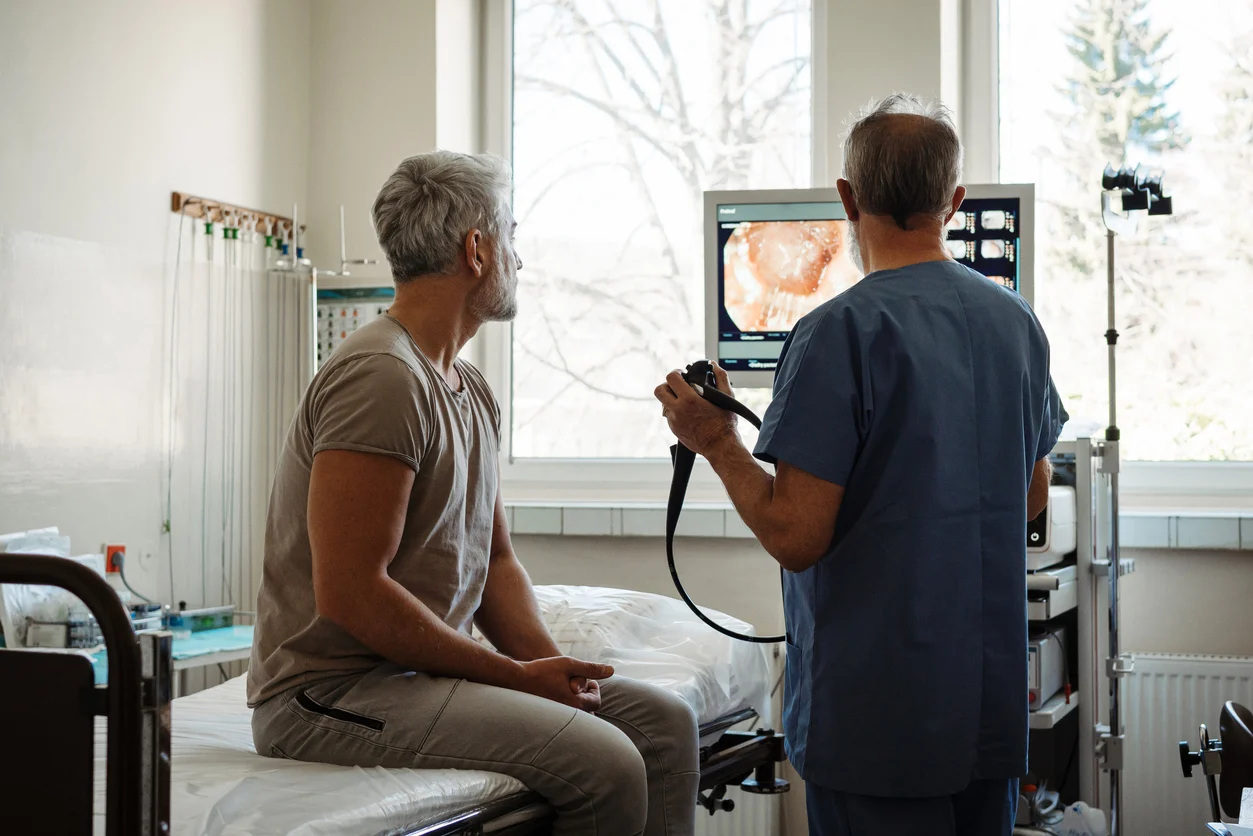
Colonoscopy is the gold standard in colorectal cancer screening that permits physicians to take a real-time view of the entire colon and rectum. Colonoscopy, instead of finding cancer in one patient, can work on the same patient, and it simultaneously has the potential to prevent cancer. For the examination, the colon was examined from a flexible camera by a gastroenterologist or colorectal specialist. Polyps are then discovered can often be removed immediately before they have time to form into cancer. This ability for identifying and excluding precancerous growths is one reason that colorectal cancer screening has significantly reduced cancer patient deaths over the past several decades. Detecting abnormalities early often leads to more patient care easier, healthier outcomes, and life satisfaction.
Who Should Have a Colonoscopy to Consult in Los Angeles?
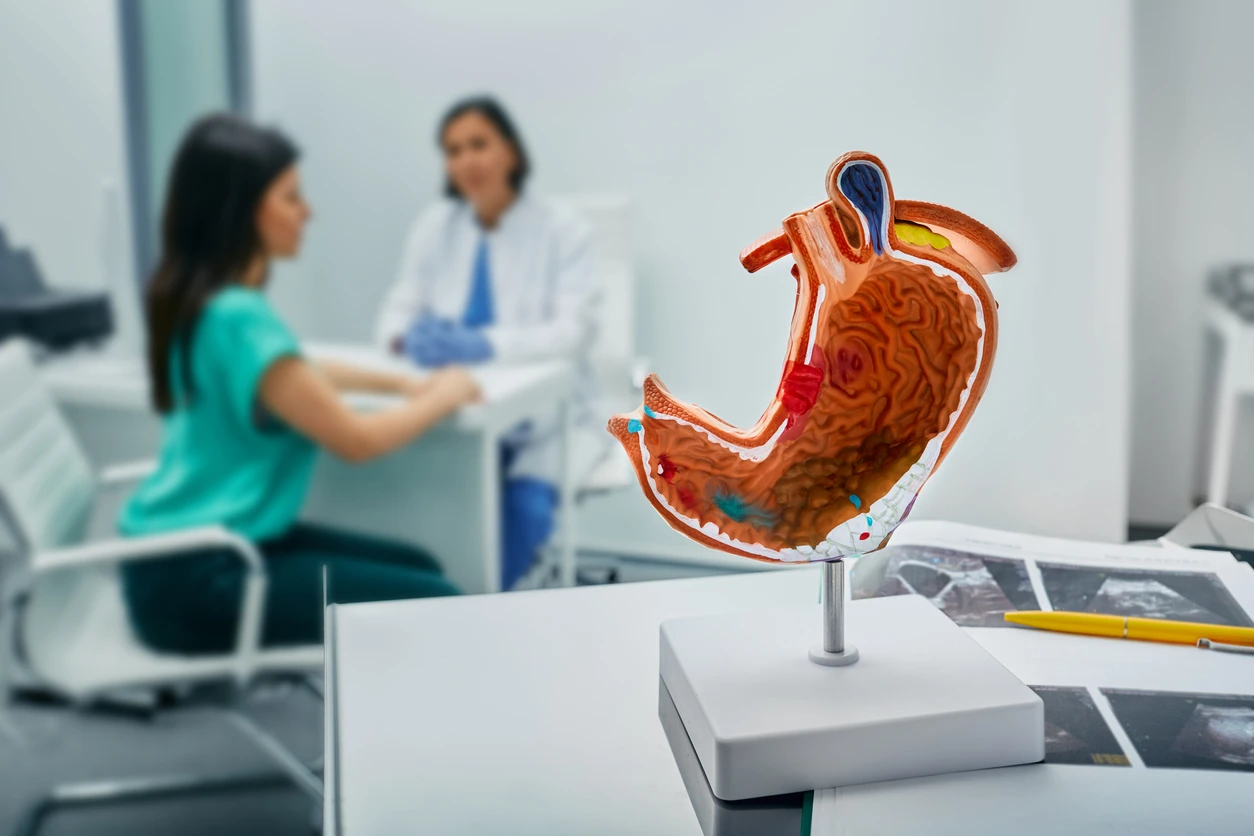
Most people assume colonoscopy is only necessary after age 50. That was once considered the conventional advice but screening guidelines have changed as colorectal cancer incidence rates among younger adults has risen. Most average-risk adults do now try to start screening at age 45. Families with a history of colorectal cancer, inflammatory bowel disease, genetic syndromes or prior polyps may also require screening even earlier. A colonoscopy might also be recommended if you complain of symptoms: rectal bleeding, continuous abdominal pain, unexplained weight loss, persistent diarrhea, constipation, changes in bowel habits or unexplained anemia. Among the most convenient resources for experts in digestive health, Los Angeles residents have access to the nation’s leading practitioners — easing the access to specialists who can be expected to provide an adequate diagnostic examination and screenings.
What Happens During a Colonoscopy?
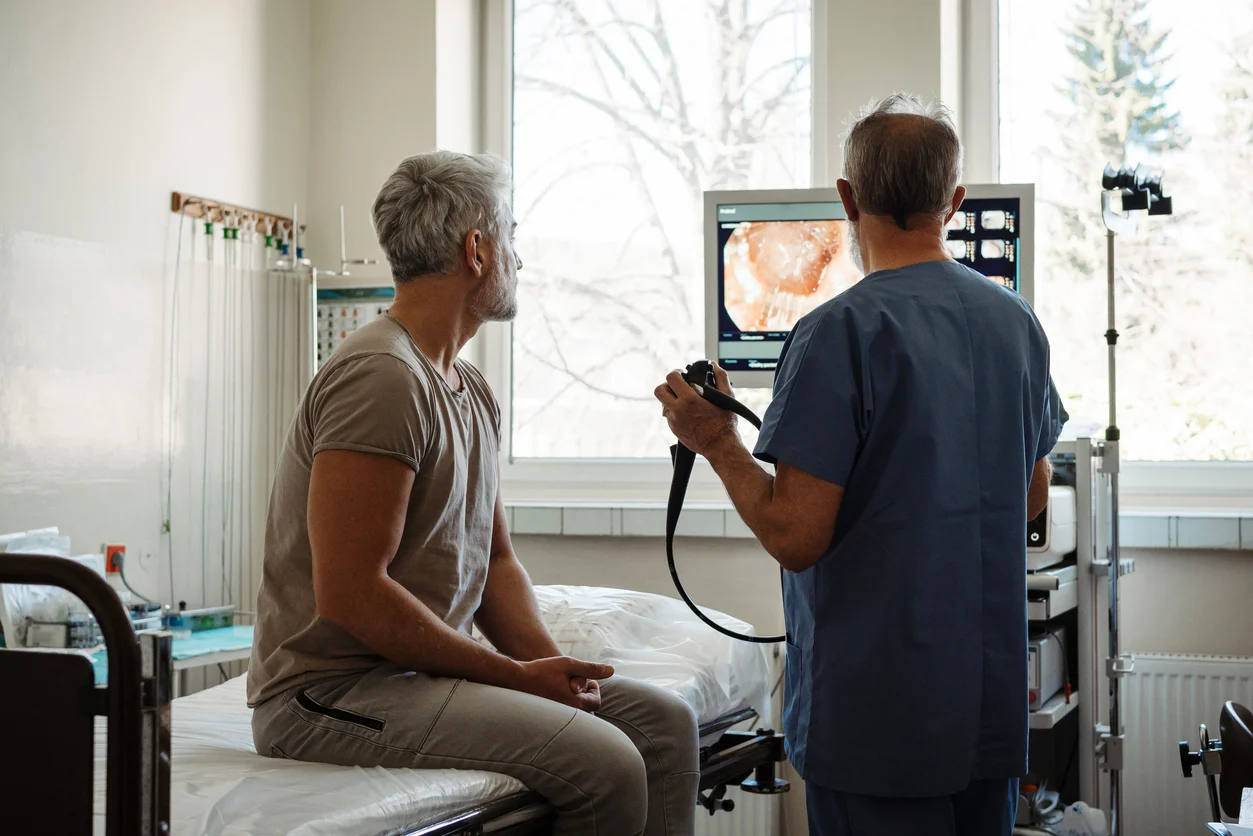
One of the reasons some people delay screening is uncertainty about what to expect. Luckily, contemporary colonoscopy today are usually simple and fast, comfortable and safe, with comparatively few surprises. Preoperatively they are cleaned in a bowel preparation process. Although preparation is generally deemed the most painful act of the part of the procedure and the least enjoyable, it is necessary to achieve accurate and clean rectal outcome. On the day of the procedure, sedation is often given to keep the patient relaxed and comfortable. Most people sleep while the examination is being performed, and do not recall much afterwards. And the procedure itself typically lasts for less than an hour. Eventually, the patients recover and return home with the companion who can drive. In addition to the above, most people return their normal activities the next day.
Can a Colonoscopy Find More Than Cancer?
Although colon cancer prevention is one of the major reasons to conduct Los Angeles colonoscopy for bowel malignancy prevention, the system can also detect many other diseases associated with the digestive system. Inflammatory bowel diseases including Crohn’s and ulcerative colitis can generally be diagnosed via colonoscopies. The process can also be associated with the detection of diverticulosis, diverticulitis, hemorrhoids, gastrointestinal bleeding and other problems within the colon. In the case of the unknown symptoms, a colonoscopy is often a form of diagnostic test that one cannot obtain using imaging and laboratory tests alone. The diagnostic function of this technique renders this an integral part of comprehensive bowel care.
Why Did Some People Slow Down on Screening?
Citizens fear, embarrassment and misinformation that keeps many people from scheduling recommended screenings. Some are concerned about discomfort, others worry they are too young or in good health to require a colonoscopy. Sadly, colorectal cancer does not always present with symptoms at the early stages. Treatment may become more complicated when symptoms emerge. Screening gives doctors an early look at problems before they can turn serious and frequently before patients notice any warning signs. Sedation and technology, along with patient care, have made the colonoscopy experience much easier than many anticipate. The majority of patients say the procedure itself is much easier than they thought.
Things to look out for in a colonoscopy specialist?
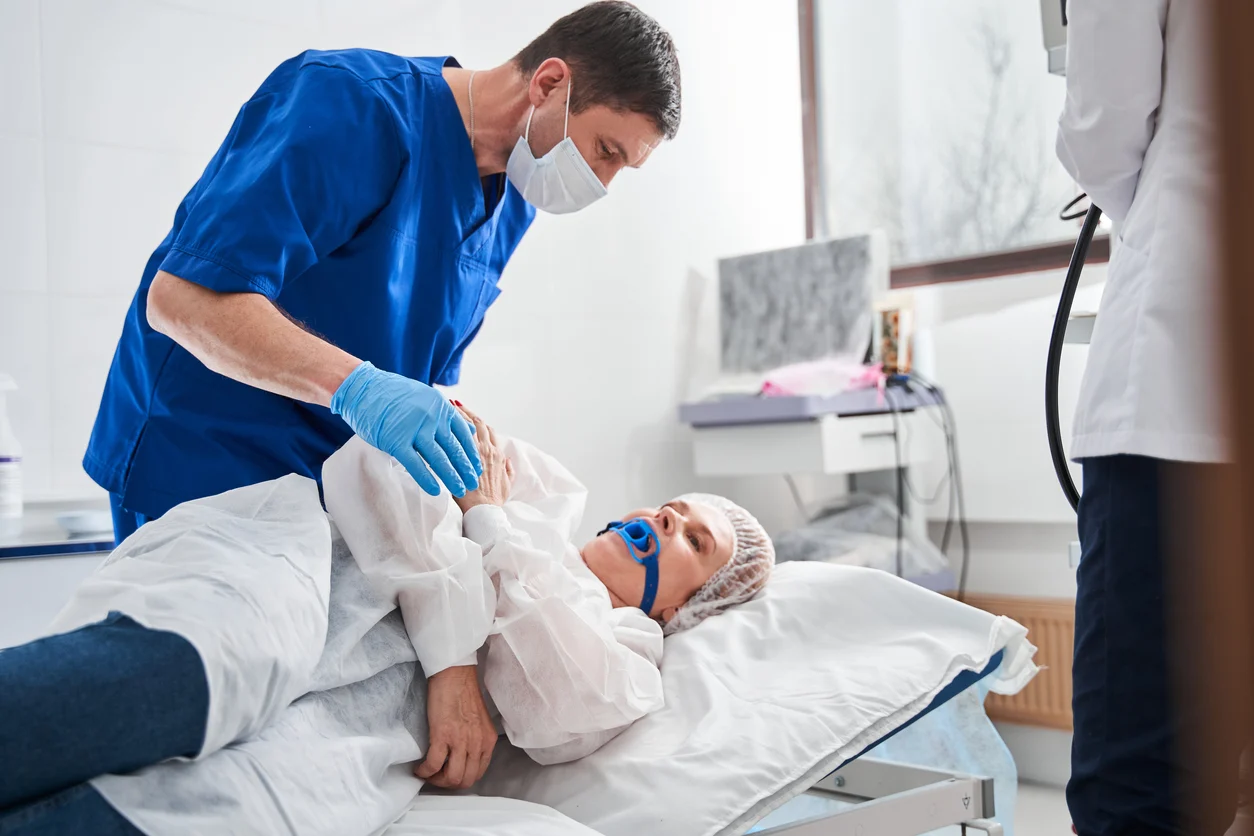
Of course, picking the proper provider is part of the screening process. Asking a Los Angeles doctor: Patients seeking colonoscopy in Los Angeles need to look to physicians with significant experience with gut and colorectal procedures You should weigh board certification, specialized training for the patients’ needs, reviews from patients for the best care to offer, as well as the ability to use advanced technology. Skilled specialists can often recognize little abnormalities while assuring patient comfort throughout the journey. Los Angeles physicians also have a plethora of options from a variety of clinics with minimally invasive techniques and individualized treatment plans, based on each patient’s personal medical history and risk factors. A consult gives them a platform to voice concerns, discuss screening recommendations and create a plan to support their long-term digestive health.
How Frequently Do You Need a Colonoscopy?
The number of colonoscopy Los Angeles screenings is determined by more than one factor, including age, family history, previous findings, and overall risk. For many average or low risk adults, the routine colonoscopy should avoid repeated examination for ten years. But polyps from which you don’t get good results may well require more frequent monitoring, as well as various medical conditions associated with various ailments. Your doctor would offer personalized suggestions based on your exam results and individual health history. Adherence to the recommended screening regime is a proven one of the best methods for preserving colon health and reducing risk of colorectal cancer.
Why Los Angeles Residents Get Great Colorectal Care
You will find many of the best educated, highly skilled gastroenterologists and colorectal surgeons in Los Angeles which are committed to preventive digestive care. We provide patients access to the latest treatment options with quality services, cutting edge techniques, high-tech screening and treatment options in various parts of the area. All over L.A., patients can get quality colonoscopy in LA services from anywhere in Beverly Hills, Santa Monica, West Los Angeles, Century City, Pasadena and beyond, as well as from anywhere in Los Angeles. The patients can see these experienced specialists who can help them prevent, where and when they can treat with advanced techniques before the disease sets in and therefore stay proactive about their digestive health.
Conclusion
In Los Angeles, a colonoscopy isn’t just any old surgery; it’s a means to prevent cancer, identify infections and help manage the longer term. The time-consuming inconvenience of scheduling a screening is outweighed by the benefits, although many still take themselves seriously. Now is the perfect time for you to prioritize your health: whether you’re turning 45, have a family history of colorectal cancer, or if you have digestive symptoms. Early detection can save lives, and getting a colonoscopy remains among the most important ways to ensure a healthy colon and prevent colorectal cancer.