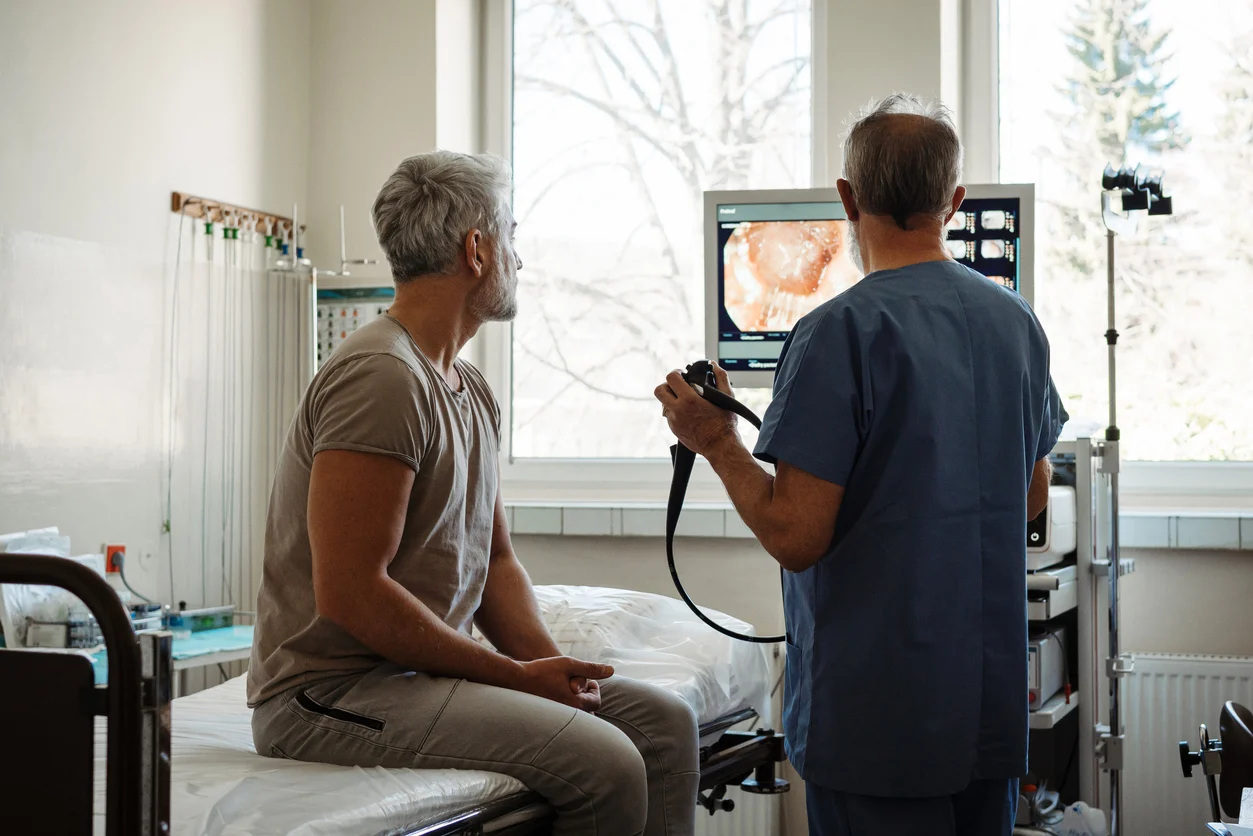
Have Questions About Your Next Colonoscopy?

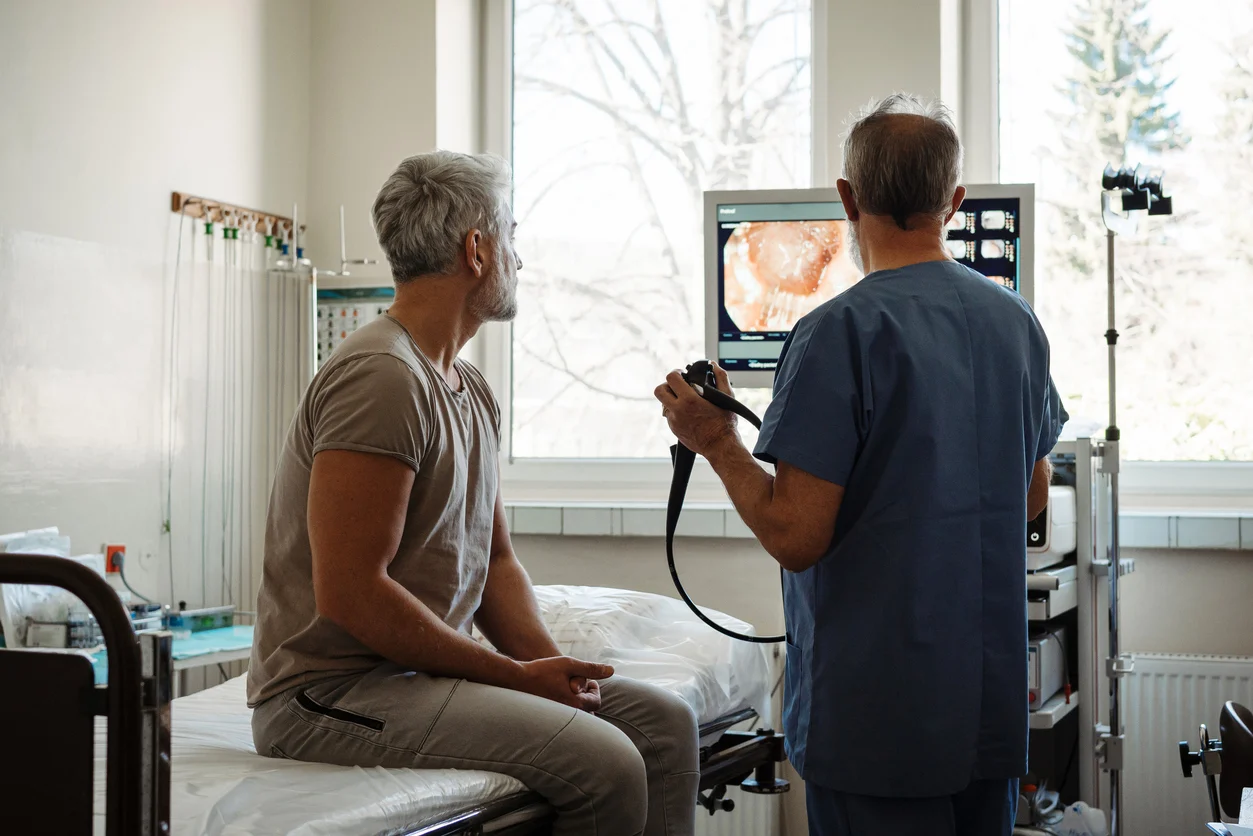
Having seen the result of your first colonoscopy, especially if it turned out negative, you may be partly justified to ask if you need another one. Frankly speaking, it all depends on the personal factors such as age, previous case history, and what findings were seen on the first screening. Understanding the reasons why colonoscopy doctor los angeles recommends repeat colonoscopy procedures can somewhat contextualize the reasoning for restorative care as it relates to your gut health long-term.
Why Bother?
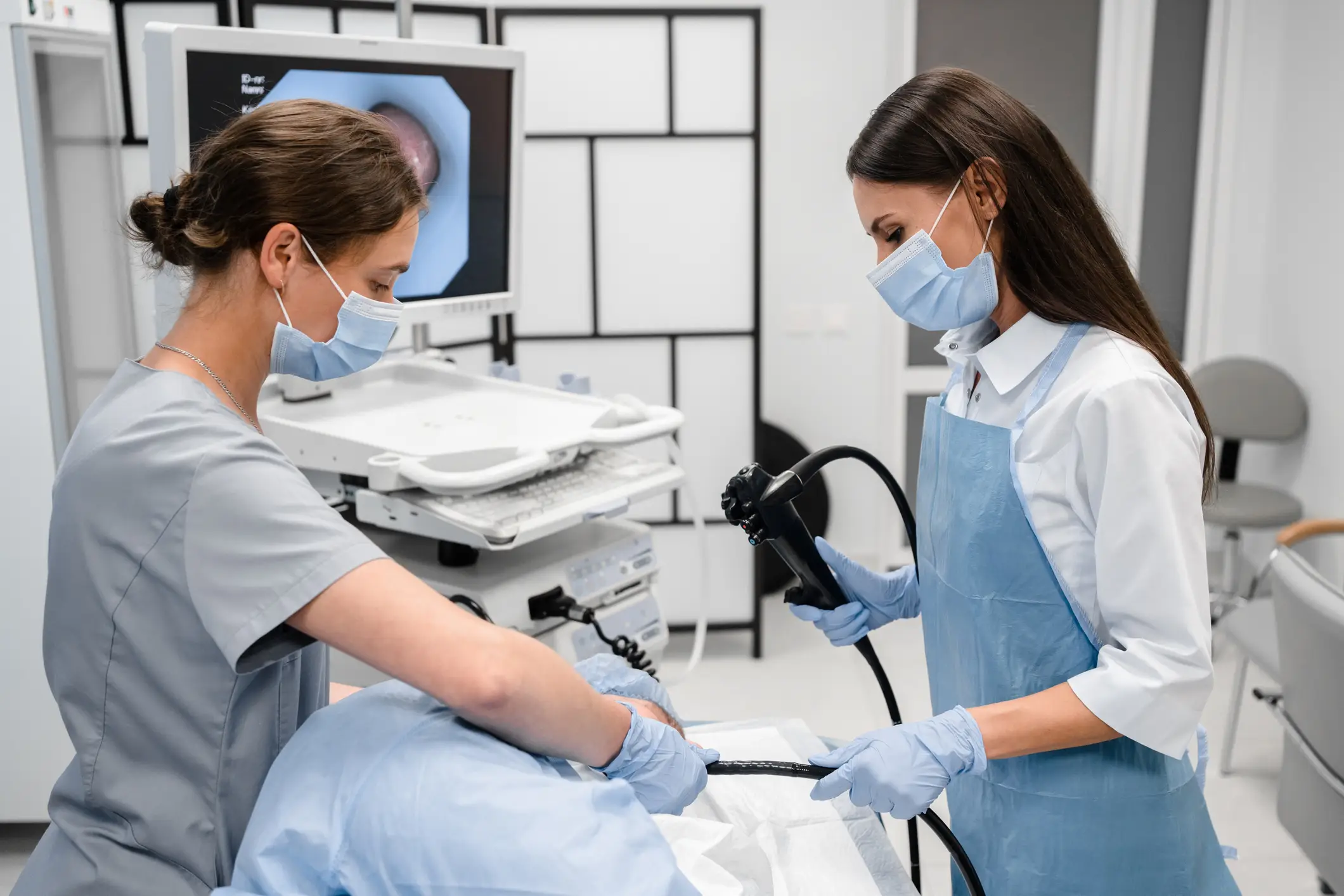
Let’s be real: colonoscopies aren’t just some annoying test. They’re legit lifesavers. During one, Los Angeles colonoscopy doctors scope out your large intestine for polyps (those little growths that can turn into cancer), inflammation, or other sketchy stuff. The cool part? If any polyps are found, they will be removed immediately. Colon cancer is a relatively slow-moving cancer, so finding and removing the polyps early-if it is possible-is analogous to catching a train before it leaves the station.

How Often Should You Go?
For most healthy folks, it’s every 10 years starting at age 45. But if you’ve got family history of colon cancer, certain genetic issues, or if they found polyps/inflammation last time? You might need them more often—like every 3–5 years. On the flip side, if your first one was totally clean, you’re probably good chilling for a full decade.
What If They Found Polyps Last Time?
If they were to remove polyps at your first colonoscopy, how long would it take to follow that up with your second colonoscopy? Well, that ultimately depends on how many polyps you had, the size of those first polyps, and the type of polyp that they were.Tiny, non-cancerous ones? Tiny, harmless ones? You’ll likely need another peek in about 5 years. Bigger, uglier, or pre-cancerous ones? Could mean a quicker follow-up—like 1–3 years. This lets your doc check if new troublemakers popped up.
Family history of colon cancer?
Genetics is very important here. Having a parent, sibling, or child that has had colorectal cancer, or advanced polyps, increases your risk. Docs usually say start screenings before 45 and repeat every 5 years. Got conditions like Lynch syndrome? You’ll need ’em even sooner and more frequent.
Can You Quit After a Certain Age?
Most people stop around 75—*if* they’re healthy and their results have been solid. After that, it’s a convo with your doc: benefits vs. risks/discomfort. No family history and clean records? Maybe you’re done. But if risks stick around, sticking with screenings could still save your butt (literally).
So, your last colonoscopy came back all clear? Awesome! That totally calls for a little happy dance. But, you know how life goes – things change. Just because the last time things looked fine, that does not mean you have a free pass for eternity. Those little polyps that can turn out to be problematic, could develop when you least expect them too.

Why You Still Have to Go Back?
Listen, colon cancer? Sneaky. It can hang out for ages without making a peep. You might feel totally fine while something’s slowly developing. That’s why skipping your next colonoscopy is kinda risky. Those little polyps I mentioned? They have the potential to develop into something problematic if they are left to grow.
Here is the more positive aspect of what is going on: Colonoscopy is great at finding those polyps *before* they become a problem. Docs can actually remove the polyps during the procedure; this greatly reduces your chances of getting cancer. What if cancer is *found*? Treatment, in the early stage especially, is more likely to be effective.
A Colonoscopy? Though It Will Probably be Easier
So they believe you need another colonoscopy? It should be a bit easier this time! The prep and sedation will be the same, at least you will know what the deal is. That definitely matters! Also, treatment is often faster when you are not a first time patient. You will also likely go home the same day and go to sleep after!
Keep Your Colon Happy Daily
Certainly colonoscopy is important, however what you do in your normal routine is important too! Eat lots of fruits and vegetables. Look for high fiber foods! Exercise – walk, bike, or dance it doesn’t matter just try and find something you enjoy!
Lay off the cigarettes (you knew that!). A bit of booze is okay – a glass of wine with dinner is fine, but don’t overdo it! And try to watch your weight.
Conclusion
Don’t see follow-up colonoscopies as a pain. They can really save your life. Just because the last one was all good doesn’t mean you’re set for life. Getting them done when you’re supposed to helps find problems early, or even prevent them. Each colonoscopy gives your Los Angeles colonoscopy doctor a look at what’s happening *right now*, so they can deal with anything weird. It’s always better to stop problems early. If you’re due for a colonoscopy, do yourself a favor and get it done. You got this!