How to Stop Acid Indigestion While Fasting

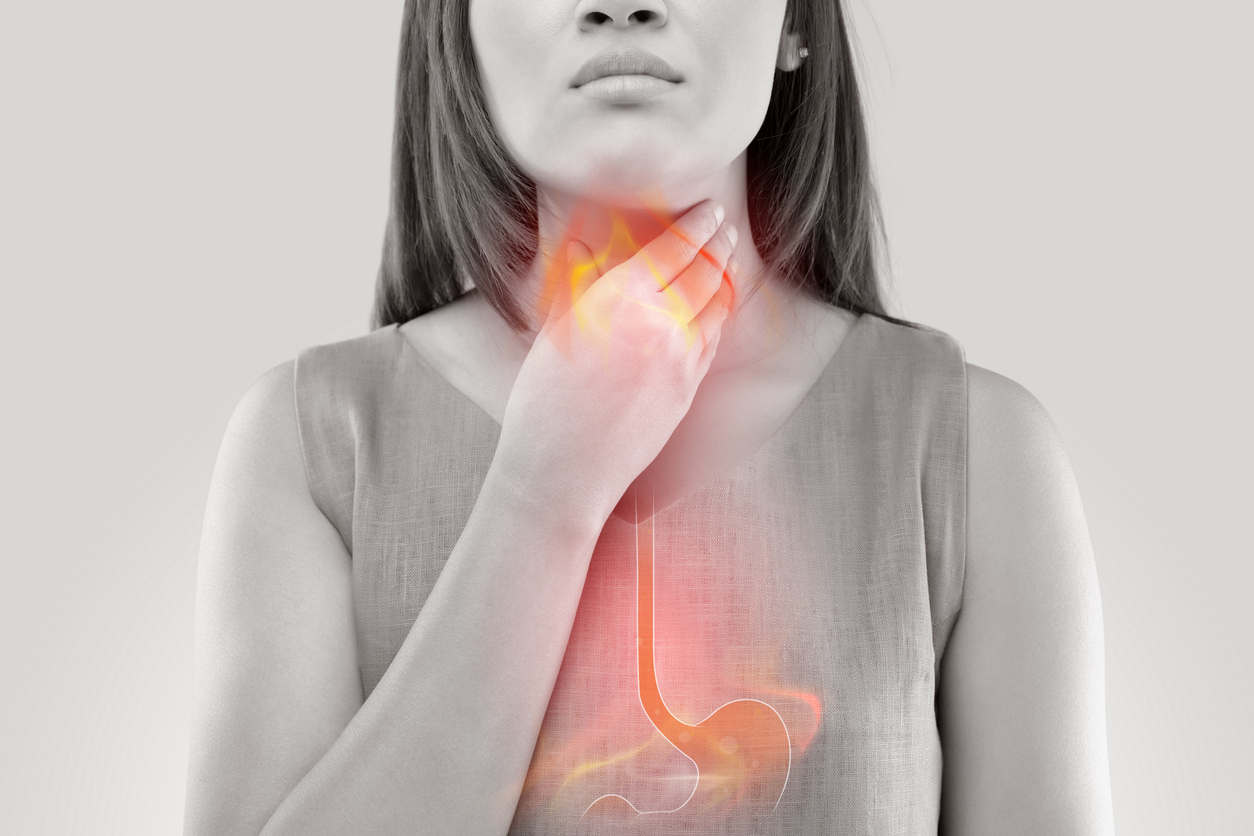
Be sure to check out this month’s LiveStrong.com blog post featuring Dr. Berookim on what you need to know about fasting. People choose to fast for any number of reasons — sometimes religious, sometimes health-related. While you might think that going without food could not cause digestive upset, many people do experience the uncomfortable symptoms of acid reflux while fasting & why fasting can aggravate reflux. There’s no doubt that the practice of fasting can have many benefits, both spiritual and physical, but one unfortunate side effect is that it changes the balance of acid in the stomach. This can lead to reflux, says Peyton Berookim, MD, a gastroenterologist with the Gastroenterology Institute of Southern California in Beverly Hills. “When there are no contents or food in the stomach for it to break down, such as when one is fasting, stomach acid levels can start to increase,” says Dr. Berookim. “But if there’s no food in the stomach to ‘soak up’ the acid, this can result in harmful acid buildup that can cause epigastric pain, discomfort (heartburn) and regurgitation of the acid into the esophagus (acid reflux).”
Will Intermittent Fasting Help or Burden Acid Indigestion?
There is a surging trend for intermittent fasting for a diet that aids in weight loss, metabolic health, and the fight against inflammation. But if you have acid indigestion, heartburn, or challenges with gastroesophageal reflux disease (GERD), then you might wonder: does fasting alleviate or exacerbate your symptoms?
The answer to this is individual. Some new research has found some intermittent fasting methods — in particular, restricted time consumption with a 16:8 method — do have the effect of improving acid reflux and indigestion in some individuals. When given intermittent fasting versus being allowed to eat freely, patients with suspected GERD reported less heartburn and regurgitation in a small clinical trial.
Researchers also observed a small decrease in acid exposure in the esophagus during the fasting periods. Intermittent fasting may be associated with better digestive symptoms for a variety of reasons. Eating in a shorter period minimizes late-night feeds, which are known to trigger acid reflux. The weight loss achieved through intermittent fasting can also alleviate pressure on the stomach and lessen chances of acid trickling into the esophagus. Also, allowing longer periods in between meals can improve gastric emptying and reduce rates of reflux for different people. But not everyone will respond well to intermittent fasting.
Some people get more stomach irritation, heartburn is worse or acid indigestion on extended fasting. The absence of several hours of eating may exacerbate distress in patients who develop gastritis, peptic ulcers or some version of functional dyspepsia. Larger portions to be eaten during eating times, particularly those high in fats, caffeine or spicy substances, can additionally cause intense reflux symptoms.
If you’re looking for intermittent fasting and have acid indigestion or GERD in the past, experts generally recommend having a gradual regimen. To prevent slipping directly into long fasts, ensure you keep drinking water during all parts of the fast, don’t eat too much when you break a fast and don’t eat within two to three hours from the time you go to bed.
For those whose digestive health goals are not furthered by ongoing severity of symptoms, fasting may not be a good approach. Lastly, intermittent fasting is not a one-size-fits-all approach to treating acid indigestion. In the beginning, the studies look good, but more should be done to determine which patients of a colonoscopy doctor near me could benefit most and which may utilize other dietary programs.
Click here to read more.
Dealing with acid indigestion regularly, even outside of fasting? Frequent symptoms could signal something more. Book a consultation with Dr. Berookim to get to the root cause.