Is your gut telling you something? 7 digestive symptoms to watch out for.
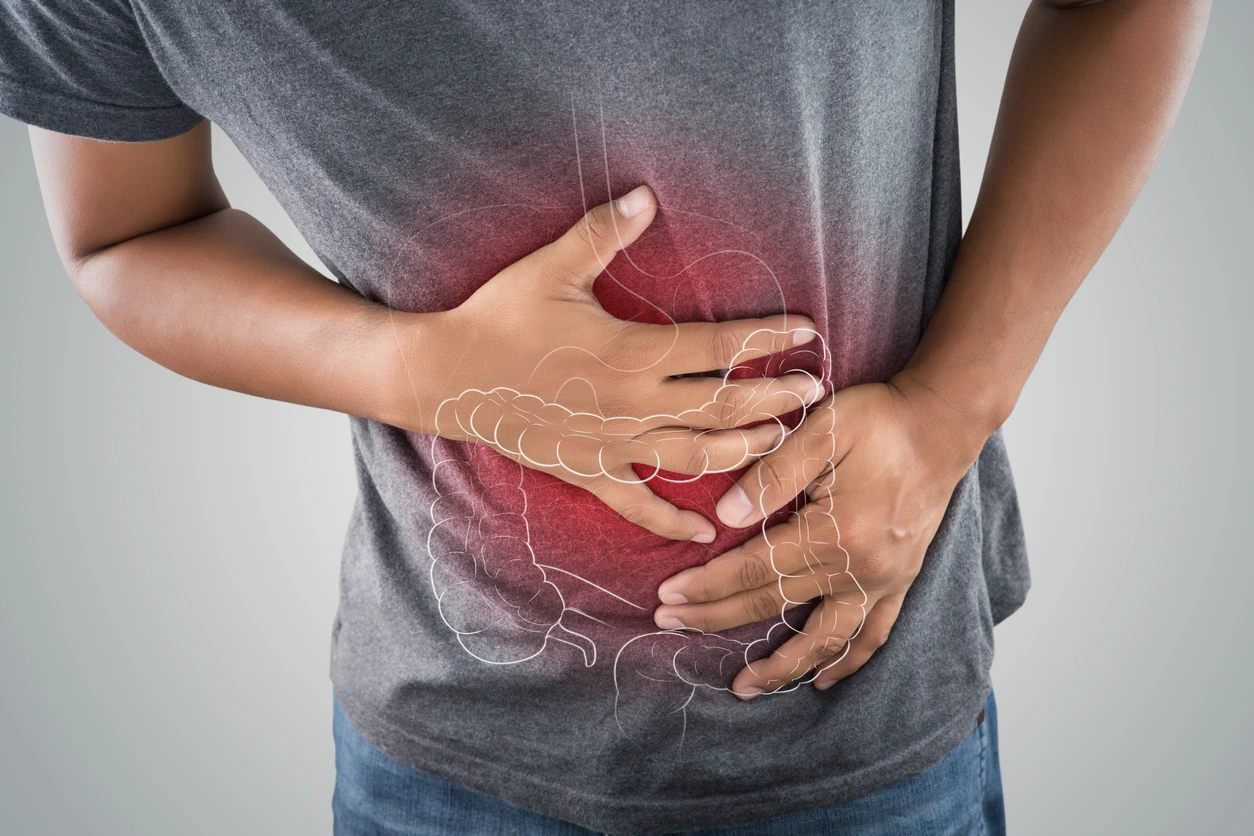
Digestive issues can be dismissed when life gets busy. A little bloating after dinner, occasional heartburn, or bathroom habits that are not always good may not sound like a good reason to go to the doctor even though you are working hard at the time. But your digestive system is a good sign of health and small problems in your digestive system are a good indicator of your overall health and some of the most minor symptoms may point to some sort of condition that comes to light; symptoms that may be indicative of something very small but can be indicative of a condition that comes to light; small symptoms are usually seen in someone’s digestive system; those symptoms are small, but may indicate some kind of disease.
A gastroenterologist Beverly Hills can help patients understand what’s happening with their symptoms and how to treat any symptoms and remedies for their digestive health. If you know what symptoms to look for, you can make better decisions and do right away before a small problem becomes a big problem.
When Bloating Becomes More Than an Occasional Inconvenience
Most people have bloating a few days in a row. If you consume a lot of food at once and carbonated beverages or certain foods are what make the abdomen feel uncomfortable or unusually full, the digestive system may be bloated. Occasional bloating is not alarming at all. And when it’s not painful it’s seldom a serious problem.
But chronic bloating may indicate something else is going on in the digestive system. Food intolerance, constipation, irritable bowel syndrome (IBS), and some gastrointestinal conditions are all common causes of chronic bloating. And when you’re experiencing extreme gas, abdominal pain or bowel movements can be worse.
The timing of symptoms might help us to know what’s going on. Bloating after eating certain foods is probably related to the food but when chronic abdominal pain or weight loss are part of the picture, bloating may be more serious.
A Beverly Hills gastroenterologist can diagnose and talk about symptoms, develop dietary habits and suggest testing to help determine if treatment is appropriate.
Heartburn would not be part of your day-to-day life.
Heartburn is associated with spicy food, coffee, big meals or eating before bed. This is usually due to stomach acid going backwards into the esophagus.
Regular heartburn is common, but common symptoms can indicate gastroesophageal reflux disease (GERD). GERD can lead to recurrent heartburn, regurgitation, chest pain, sour taste in the mouth and difficulty swallowing. Some patients also have a persistent cough or hoarseness.
Gastroenterologists will recommend lifestyle changes, medication and diagnostic treatments for acid reflux if there is a chronic problem with acid reflux because acid reflux can damage the lining of the esophagus and cause complications.
Reflux is not just about eating. The cause can be found and treated and can lower the risk of long-term problems.
A new or severe chest pain, including shortness of breath, sweating and pain spreading to the arm or jaw, needs urgent treatment and not heartburn diagnosis.

What are the changes in daily bathroom habits that can tell you about digestive health?
Some people have bowel movements several times a day, some less frequently and never experience any problems. Your changes in daily life are very obvious and see and feel and it is important to see.
You may have diarrhea for a long period of time, constipation or alternating episodes of both and that is indicative of a digestive problem that needs treatment. Irritable bowel syndrome, inflammatory bowel disease, medication and food intolerance are all conditions.
Your stool consistency, poor stool flow and persistent difficulty passing stool or feeling of incomplete evacuation can tell us something about your digestive function.
The gastroenterologist will be able to assess these symptoms and determine if dietary change is needed, or if stool and/or medication treatment should be given.
Blood in stool, black or tarry stools and unexplained changes in bowel habits should be treated early, especially if you are feeling weak, have abdominal pain and/or weight loss.
Could stomach pain be caused by something else?
Abdominal pain is common and people go to the doctor regularly for treatment. But it’s hard to figure out why that is pain when there are so many different organs in your abdomen.
Pain in your upper abdomen can come from the stomach, gallbladder, pancreas or other organs. Lower abdominal pain might be due to the intestines or digestive system-related disorders outside of the digestive system.
Pain location, intensity and timing of pain can help doctors identify the cause. Pain after fatty food might be gallbladder problems and abdominal pain with bowel movements might be IBS.
A gastroenterologist can do blood tests, imaging work and an endoscopic procedure.
Pain in the abdomen cannot be ignored, especially if the pain is interfering with eating, sleeping or any other day-to-day activities.
Rapid, severe abdominal pain with fever, repeated vomiting or fainting must be treated immediately.
The unexpected connection between stress and the digestive system.
The brain and digestive system are much more intertwined than most people think. The digestive system is connected to the central nervous system in the gut-brain axis. Digestion, intestinal movement and pain sensitivity are all dependent on this communication.
Stress and anxiety are also contributors to abdominal pain, nausea, bloating, or altered bowel habits. Stress for irritable bowel syndrome and other gut-based disorders can exacerbate symptoms.
But digestive symptoms can’t be attributed to stress if other medical conditions exist. A gastroenterologist can identify functional digestive disorders and those that require treatment.
Dietary changes, medication, stress management or therapies that focus on how the brain and digestive system communicate with each other can be employed.
This connection will help patients become more aware of their digestive health.
When weight loss is not normal it is a warning sign.
If people change diet, exercise and medication patterns, it’s a change. But weight loss without a plan to change eating or exercise habits will be problematic.
Digestive problems such as nutrient absorption, chronic inflammation and normal eating habits cause unexplained weight loss.
Celiac disease, inflammatory bowel disease and other gastrointestinal disorders are the most likely causes.
Some also have low appetite, frequent nausea, early fullness, or changes in bowel movements and should be checked by a gastroenterologist regarding these symptoms and whether we should test blood, imaging or endoscopic tests.
Unexplained weight loss is not a sign of a serious illness and the change is not benign; digestive symptoms are not the only reason to have a colonoscopy.
Why Digestive Symptoms Shouldn’t Be the Only Reason for a Colonoscopy
Gastroenterology appointments are often confused with uncomfortable symptoms and are related to digestive health and preventative treatment is needed.
Colorectal cancer can develop without any obvious symptoms even if you do not have symptoms at all early on. Screening is important even if you’re healthy.
Most of the world’s major medical guidelines recommend colorectal cancer screening for adults at age 45.
A colonoscopy can check the lining of the colon and rectum. Some precancerous polyps would be detected and removed so they don’t develop into cancer.
People with a family history of colorectal cancer, hereditary diseases and inflammatory bowel disease should be screened earlier or more often.
Based on the history of the patient and risk factors, a Beverly Hills gastroenterologist would determine when to start screening.
Preventive screening could shield long-term health from health problems if there are no digestive symptoms.

What Happens When You Travel to a Beverly Hills Gastroenterologist?
Most people don’t even go to the doctor until they’re ready because they don’t know what the gastrointestinal visit is going to feel like.
And most often it’s the first visit of the day and begins with a talk about symptoms, history of disease, medication, diet and family history of digestive problems.
The gastroenterologist will ask when symptoms started, how frequently they occur and whether foods or activities make them better or worse.
Based on the symptoms, a physical examination can be done, laboratory testing, imaging studies, or specializations can be made if needed.
Not everyone will have an endoscopy or colonoscopy. Many digestive issues can be solved in the first visit in an initial visit, a medical history, examination and less invasive test.
The goal is to address the problem and the treatment plan based on the patient’s specific needs.
Well, the patient might be able to talk to the doctor about preventive care and nutrition and techniques to keep digestive health in check too.
Take the Next Step Toward Better Digestive Health in Beverly Hills
Digestive symptoms are things that we need food to keep on in order to get through a busy workday. There may be pain, but bloating, frequent heartburn, unexplained abdominal pain and changes in bowel habits are symptoms a doctor should look into. A gastroenterologist in Beverly Hills can diagnose what is wrong with your digestive system, advise treatment for the problem and set a treatment plan for you. You might have a chance to see a good gastroenterologist for the first time if you have ongoing gastrointestinal pain or are worried about a preventive screening procedure.