When Digestive Symptoms Signal It’s Time to See a Gastroenterologist
Digestive problems do happen to almost everyone occasionally. A heavy meal can cause heartburn, diet changes can make you constipated and diarrhea or a short period of stomach distress can cause you to feel sick. And in most cases they’re gone, and not only disappear. But digestive signs that persist, return in the same way or get worse, suggest something else is going on. If you go to a gastroenterology Los Angeles, you can know the cause of ongoing digestive problems and the right treatment to treat them. And a provider in Los Angeles can diagnose them from the stomach, esophagus, intestines, colon, liver, gallbladder, and other parts of the digestive system.
What does a gastroenterologist do?
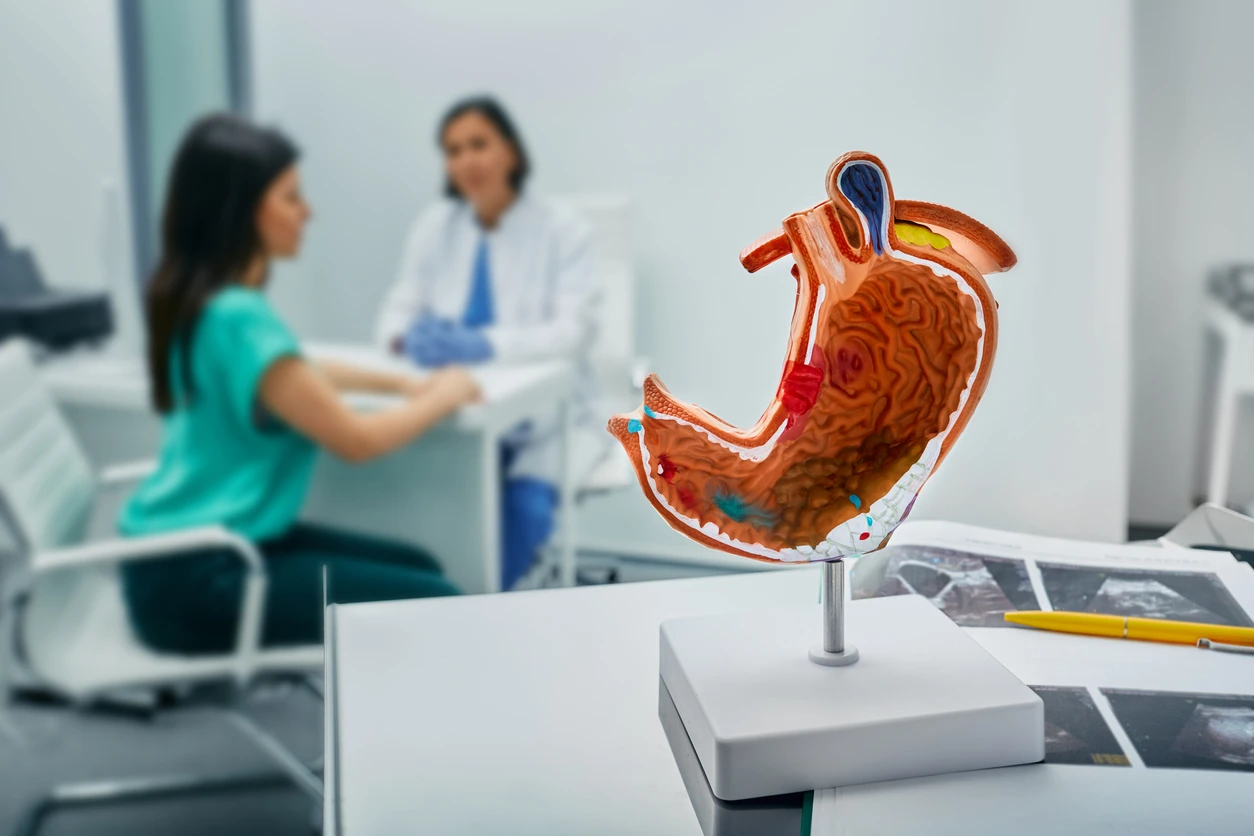
They treat problems associated with the gastrointestinal tract and digestive organs. And because the digestive system processes food, absorbs nutrients and excretes waste, it’s extremely difficult to treat any problem in this digestive system that is different.
Gastroenterologists diagnose and treat such diseases as gastroesophageal reflux disease or GERD, irritable bowel syndrome, inflammatory bowel disease, ulcers, celiac disease and certain liver and gallbladder disorders.
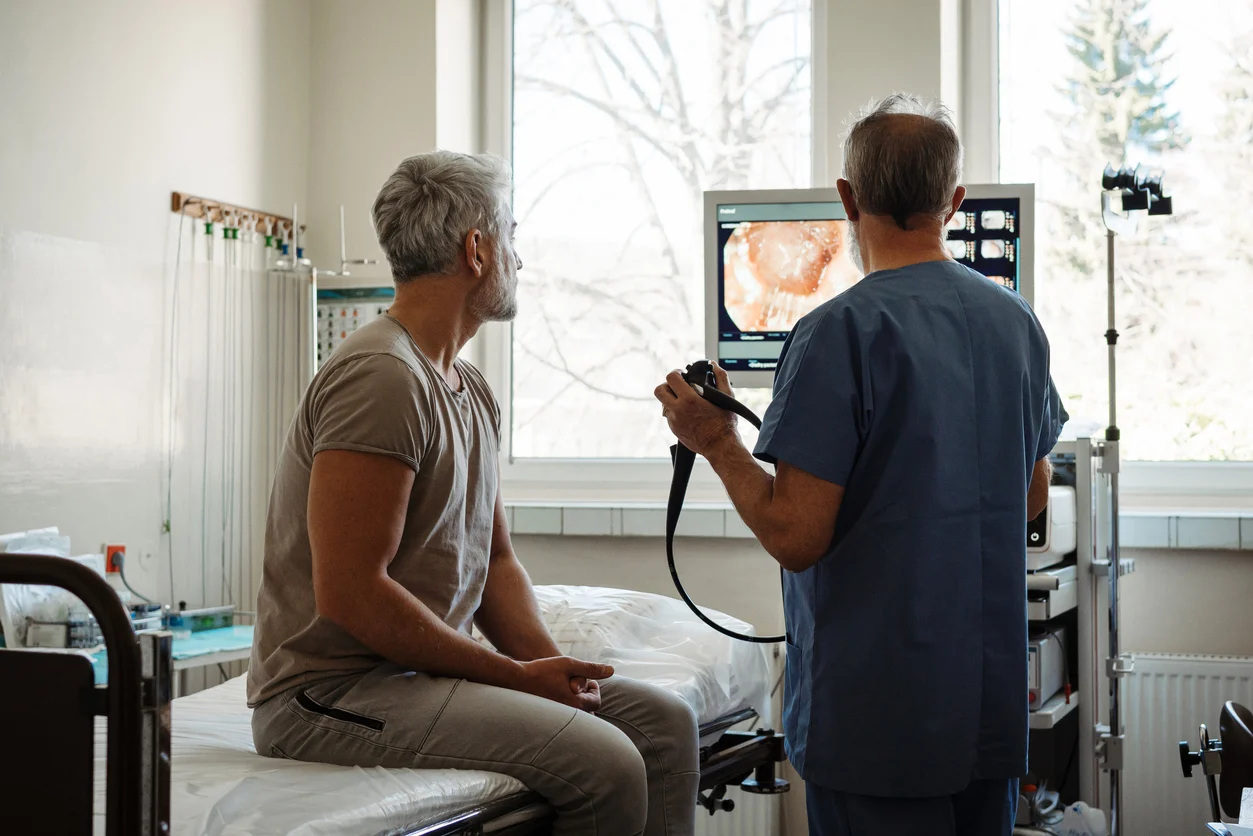
They also perform upper endoscopy and colonoscopy and examine areas of the digestive system that are not accessible in a normal physical examination.
Patients do not need to know all that they have before they try to get an appointment. Persistent symptoms can be a reason for seeking an evaluation.
Persistent Abdominal Pain.
Abdominal pain can have many causes and explanations. Some might be simple— indigestion, constipation, temporary stomach irritation, etc.
Pain that keeps recurring (and returns regularly) may be more important.
The location, severity and timing of abdominal pain can be very important to know. A gastroenterologist might ask if pain starts after eating, improves after a bowel movement, develops in one area and is presented as a companion of nausea, diarrhea and bloating symptoms.
Since many organs are in the abdomen, finding the source of persistent pain could require diagnostic testing, medical history and physical examination.

Frequent Heartburn or Acid Reflux.
Heartburn after a big and spicy meal is common. Frequent heartburn is different.
Acid reflux is when stomach contents go backward in the esophagus. People with chronic reflux may feel burning in the chest, sour taste in the mouth, regurgitation, or discomfort after eating.
If too often it can be related to GERD. Persistent reflux can irritate the esophagus and in some cases lead to complications with continued symptoms over time.
Frequent heartburn and over-the-counter medications should be treated by a gastroenterologist instead of monitoring for recurrent symptoms and not trying to fix the problem all the time.
Changes in Bowel Habits.
The way people with normal bowel habits are regulated is not the same, so a change in behavior is much more important than the number of bowel movements.
Constant constipation, diarrhea or an alternating between the two can be associated with a variety of gastrointestinal problems.
Temporary changes can come from diet, medication, stress and even an infection. Any changes that persist for weeks or continue to occur or are accompanied by other symptoms may need further examination.
A gastroenterologist will look at symptoms and ask if others need additional testing.
Blood in the Stool.
There are many causes of rectal bleeding and not all of them are serious. Hemorrhoids or anal fissures can cause bright red blood, for example.
But bleeding can also be linked to inflammation, polyps and other gastrointestinal disorders.
The color or the appearance of the blood may tell us where the bleeding is but we should not try to determine the cause by color alone.
Black or tarry stools can suggest bleeding in the gastrointestinal tract and should be treated immediately.
Difficulty Swallowing.
The feeling of swallowing may be that food is slowly moving through the throat or chest, stuck after swallowing or that it hurts when it goes down.
Some people cope differently when the symptom has become more acute. They take tiny bites and avoid some food and drink big amounts of liquid as they eat.
Persistent swallowing problems are indicative of other conditions that affect the esophagus and should be addressed.
A gastroenterologist may recommend upper endoscopy or another diagnostic test to determine inflammation, narrowing or something else.
Ongoing Bloating.
Bloating is a common symptom but one that can be very disruptive if you have them very frequently.
Dietary factors, including constipation and swallowing air, can cause bloating. Frequent bloating can be related to food intolerances, irritable bowel syndrome and other digestive diseases as well.
Patients can tell their gastroenterologist when they get that, what they have eaten, if they have finished the bowel movement and if other symptoms are also present at the same time.
The pattern may help to get a sense of what is causing the problem at the time.
Persistent Nausea or Vomiting.
Nausea and vomiting are common with infections, food poisoning and other temporary diseases. If they continue without any obvious reason, however, it is a matter of more research.
Constant nausea can affect eating and hydration. Repeated vomiting can also cause dehydration and electrolyte problems.
Severe vomiting, lack of fluids, vomiting blood or other serious symptoms should be treated immediately and not wait for a gastroenterology appointment.

If You Have a Family History of Digestive Disease.
Symptoms are not the only reason someone might see a gastroenterologist.
Family medical history can influence the risk of certain gastrointestinal diseases like colorectal cancer and some inflammatory or hereditary diseases.
Patients need to tell their doctors they have major gastrointestinal conditions that affect close relatives. The age at which a family member is diagnosed can also be important.
Because of the history of the disease and family history, a doctor may recommend screening earlier or more frequently than is recommended.
When Should I get a colonoscopy?
Colonoscopy is one of the most common procedures performed by gastroenterologists. A doctor will examine the inside of the colon with a thin flexible camera with a thin, flexible instrument.
Colonoscopy is usually a simple colorectal cancer screening test or a check for symptoms such as rectal bleeding or unexplained changes in bowel habits or other gastrointestinal problems.
Based on your age, family history, past polyps and risk factors you need to look at, screening recommendations may be different based on your age, family history, previous polyps that have been found and age-related risk factors.
If you have no idea when you should start colorectal cancer screening, talk to your doctor or gastroenterologist about your risk factors.
What can I expect at a Gastroenterology Appointment?
A first gastroenterology visit is usually based on symptoms.
The doctor will ask when symptoms came on, how often they occur, what’s done to make them better or worse and if appetite, weight or bowel habits have changed.
Patients may have also been asked about medications, previous medical conditions and surgical histories and family history.
The gastroenterologist might recommend laboratory tests, imaging, stool tests, endoscopy, colonoscopy or something like that depending on the symptoms. Not every patient needs a procedure.
The aim is to know what kind of information is required to identify the cause of the symptoms and make an appropriate treatment plan.
Gastroenterology Care in Los Angeles.
Digestive symptoms are uncomfortable and people wait longer than they need to talk about it because they think it will go away on its own.
Sometimes digestive discomfort does not require specialist care. Persistent abdominal pain, frequent reflux, ongoing changes in bowel function, rectal bleeding, swallowing problems and other persistent symptoms are different.
Gastroenterology patients in Los Angeles will have a specialist to look for the full spectrum of digestive symptoms and diagnose them.